
An illustrated history of Interactive books Part 5: Latest developments in 21st century interactive books and in paper cutting techniques, by The Booknook Librarian (21st century)
Let’s return to interactive books as the overarching terminology for books that require the reader do to something more than just turn the pages and read. As stated before, pop up books are a subsection of interactive books. I did write about this in issue 0 to 3, before showing the birth of pop up books and I hope it showed how pop up books “grew” from interactive books, using some techniques from interactive books as well (like e.g.: volvelles that grew into wheels or pull tabs). In the 21 century pop up book development kinda exploded and became a mature type of books. But it is important to 1st delve into new 21st century developments of other types of interactive books as well to see whether some techniques or tricks were adopted into pop up books as well.
New developments in interactive books
Gadget/props books
Gadget books are books that do not contain pop ups, but gadgets that can be unfolded or taken out of the book, like e.g.: posters, puzzles, parking or entrance tickets, postcards, program booklets, photo’s, maps, etcetera (the possibilities seem sheer endless).
Famous dutch theme park The Efteling (officially opened in 1952) …
For more info on this theme park see my Efteling section with info on Anton Pieck’s legacy in The Netherlands and some sligtly darker versions of famous fairy tales at:
…celebrated many jubilea during its existence and started publishing a book at its 50th (2002) birthday…
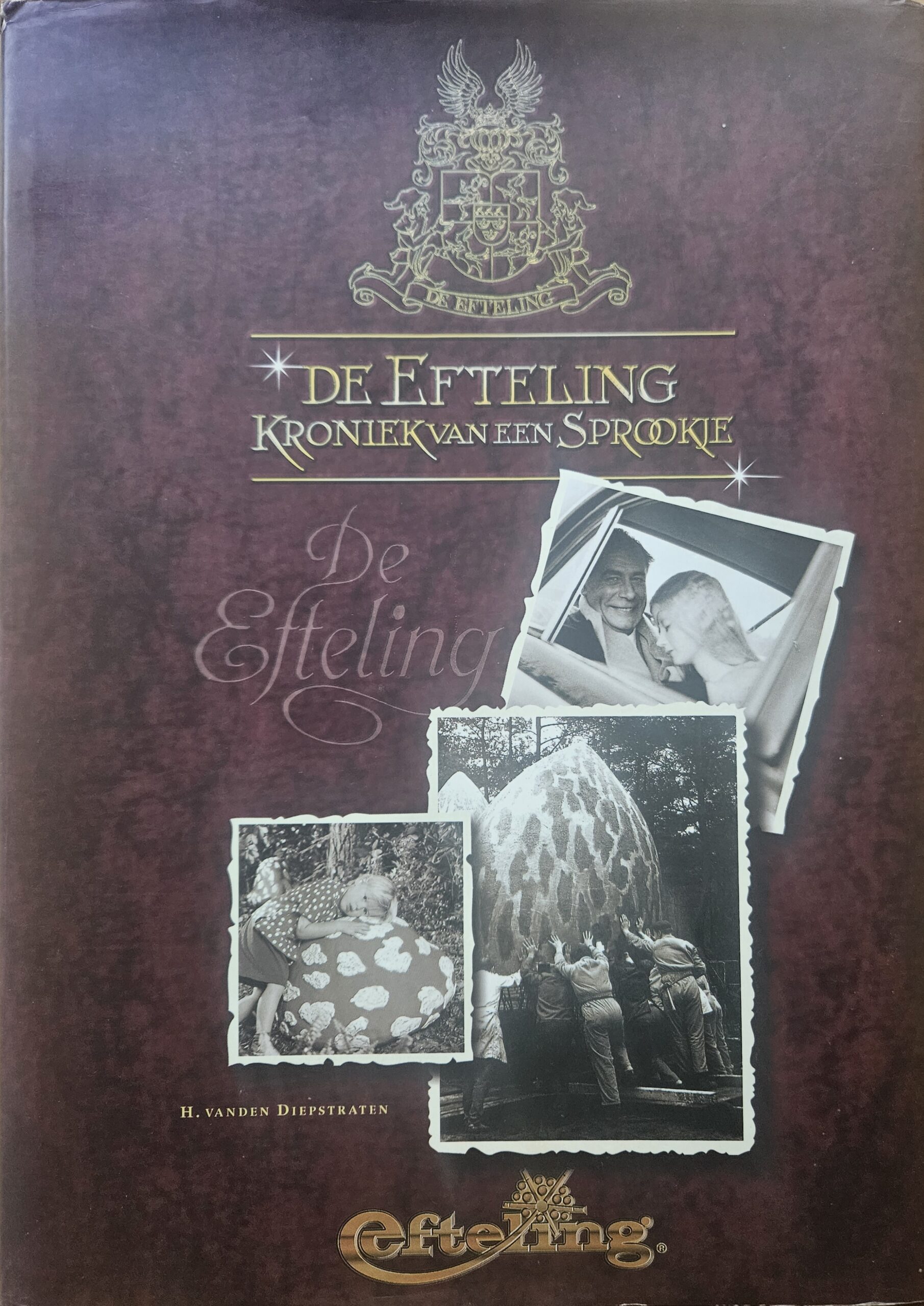
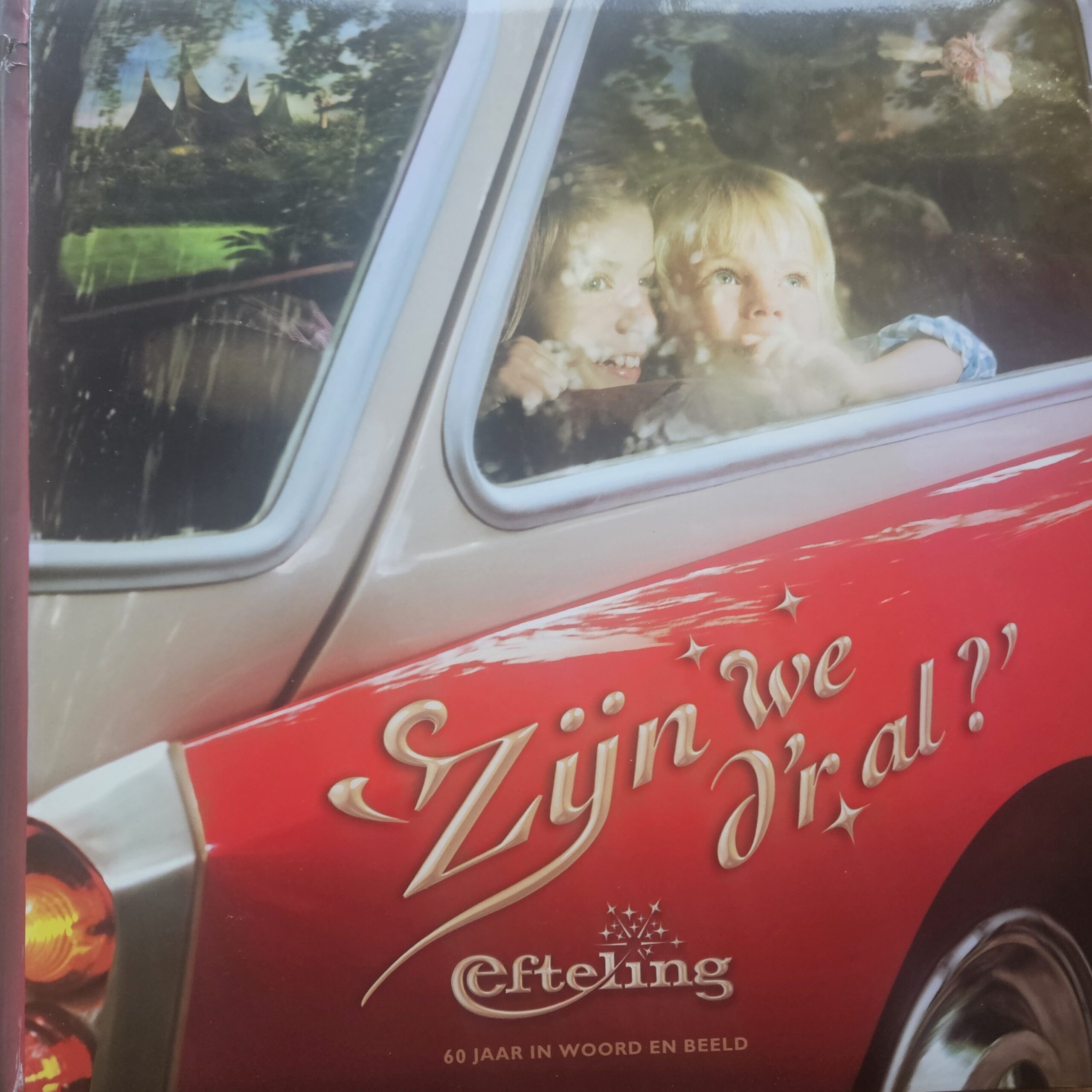
This was just a normal book with illustrations and photo’s and some dossier like sections, but nothing interactive yet. This changed when they celebrated their 60th birthday (2012). Again they published a beautiful book but in this book they added a lot of gadgets …
EXAMPLES from:
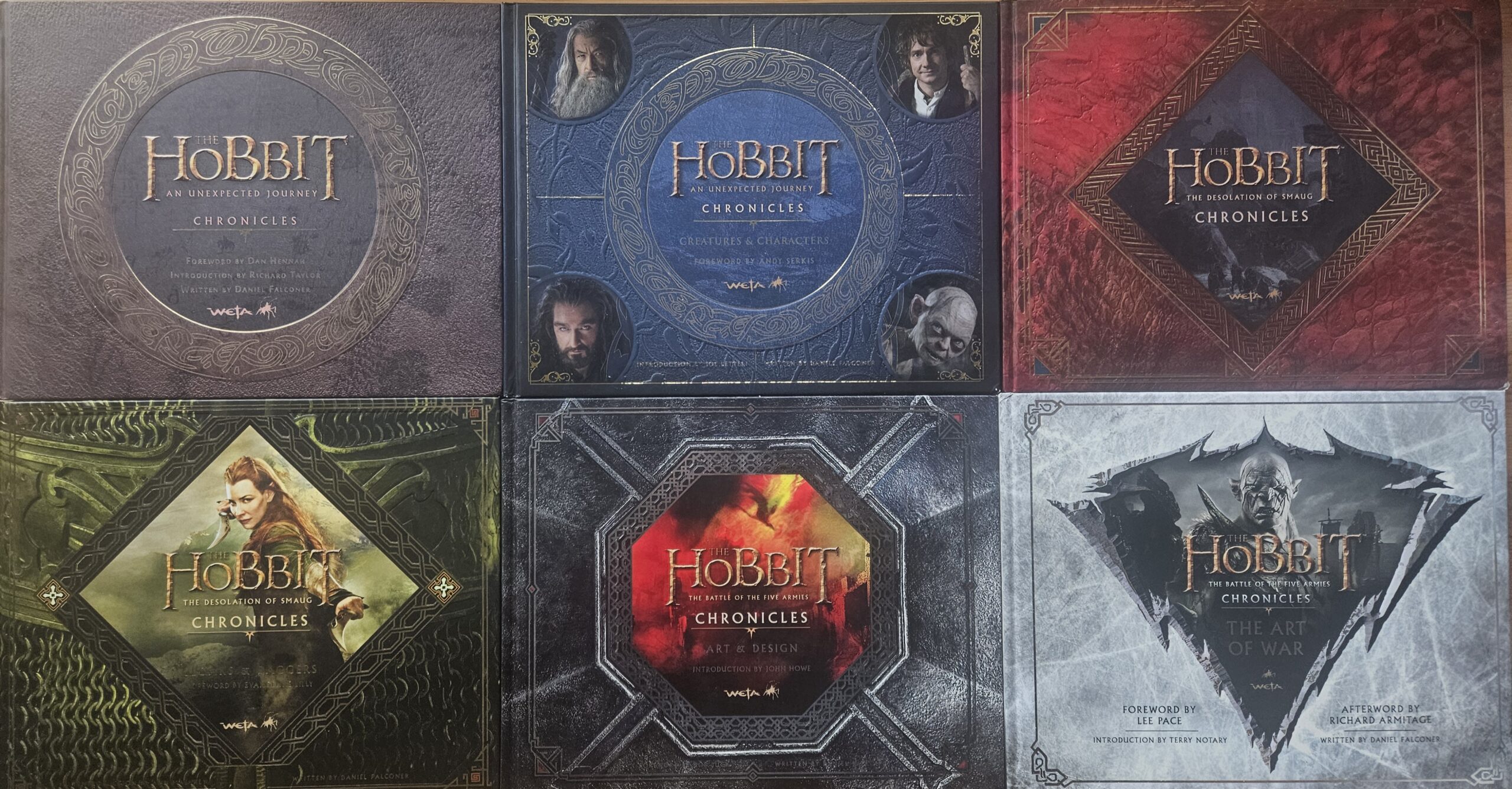
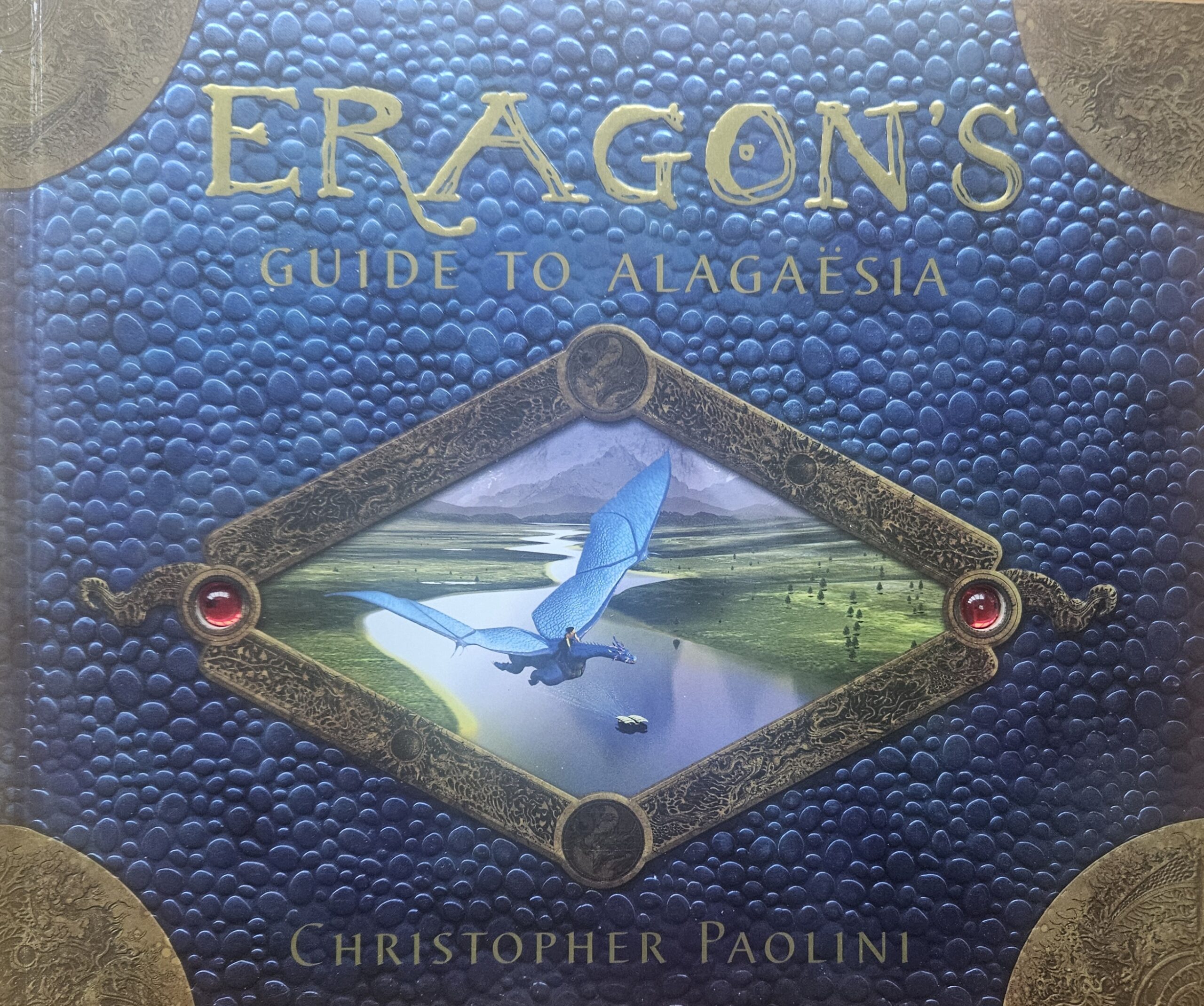
Some other gadget book examples are those affiliated with the popular The Hobbit movie series by director Peter Jackson based on the book by J.R.R. Tolkien and the popular Eragon bookseries by Christopher Paolini.
EXAMPLES from 6 books:
EXAMPLES from:
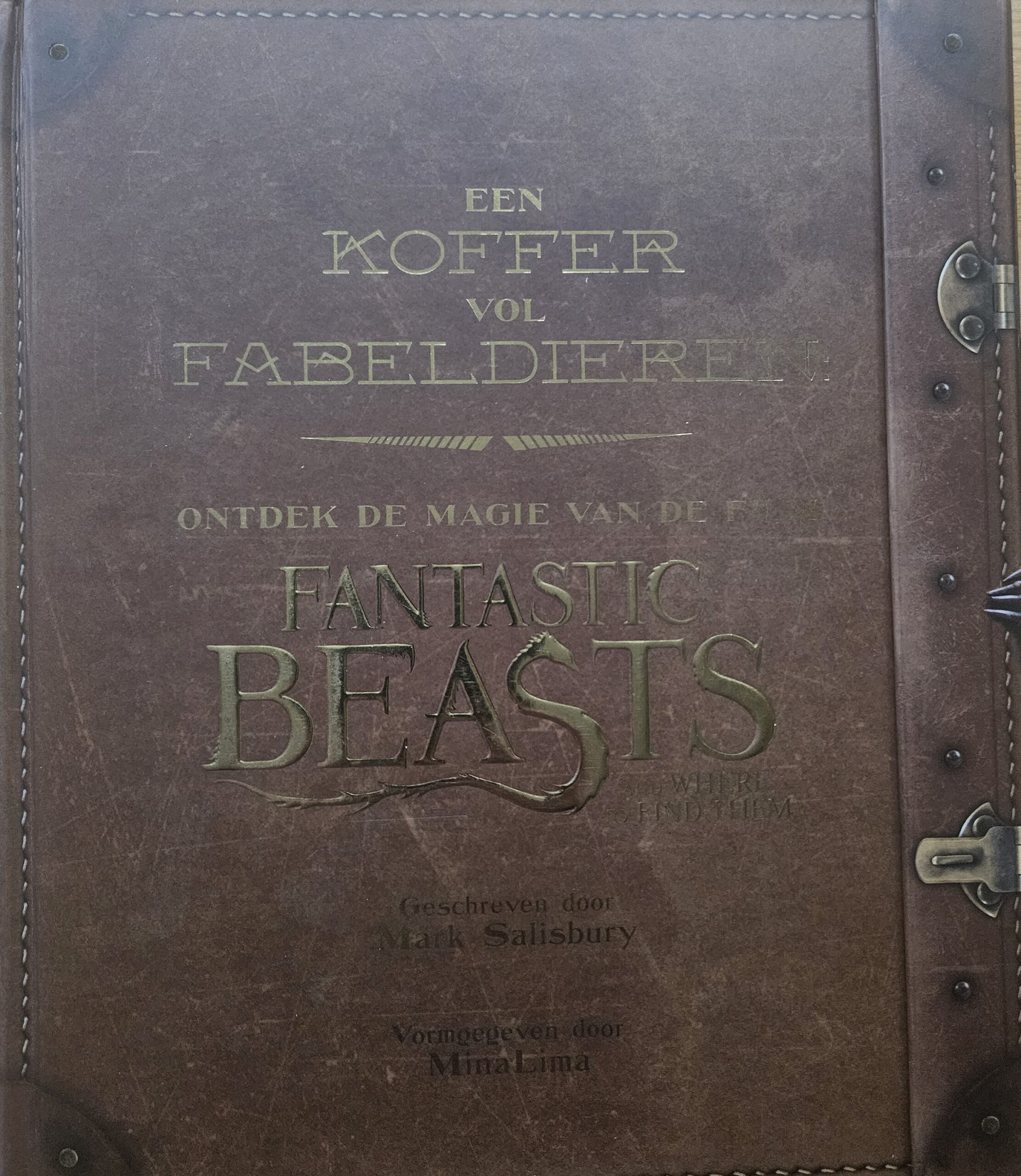
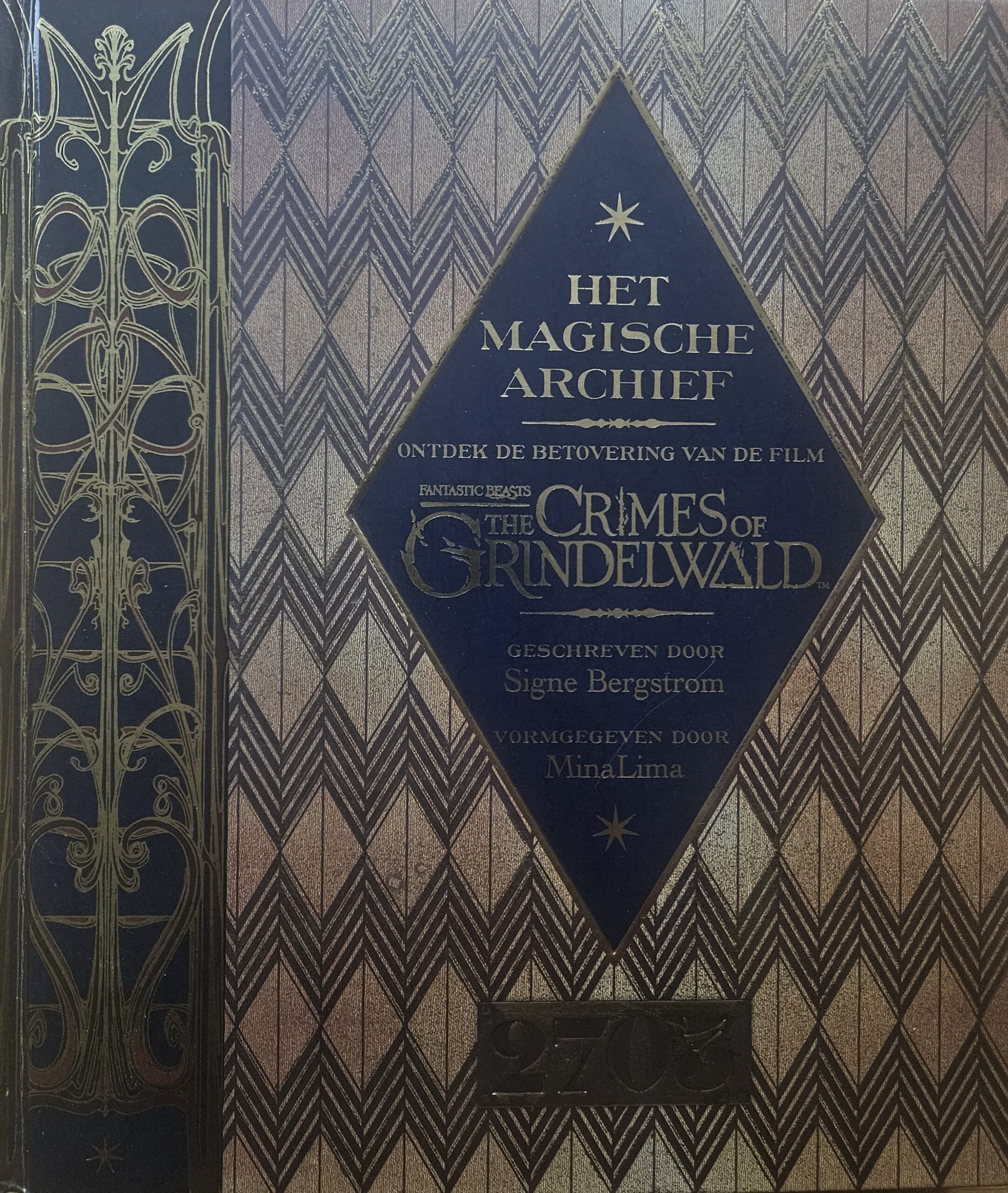
Props books are in fact very similar to gadget books but differ in one aspect, which has become a popular trend. The gadgets in them are movie props from popular movie franchises. Let’s look at some of those:
EXAMPLES from:
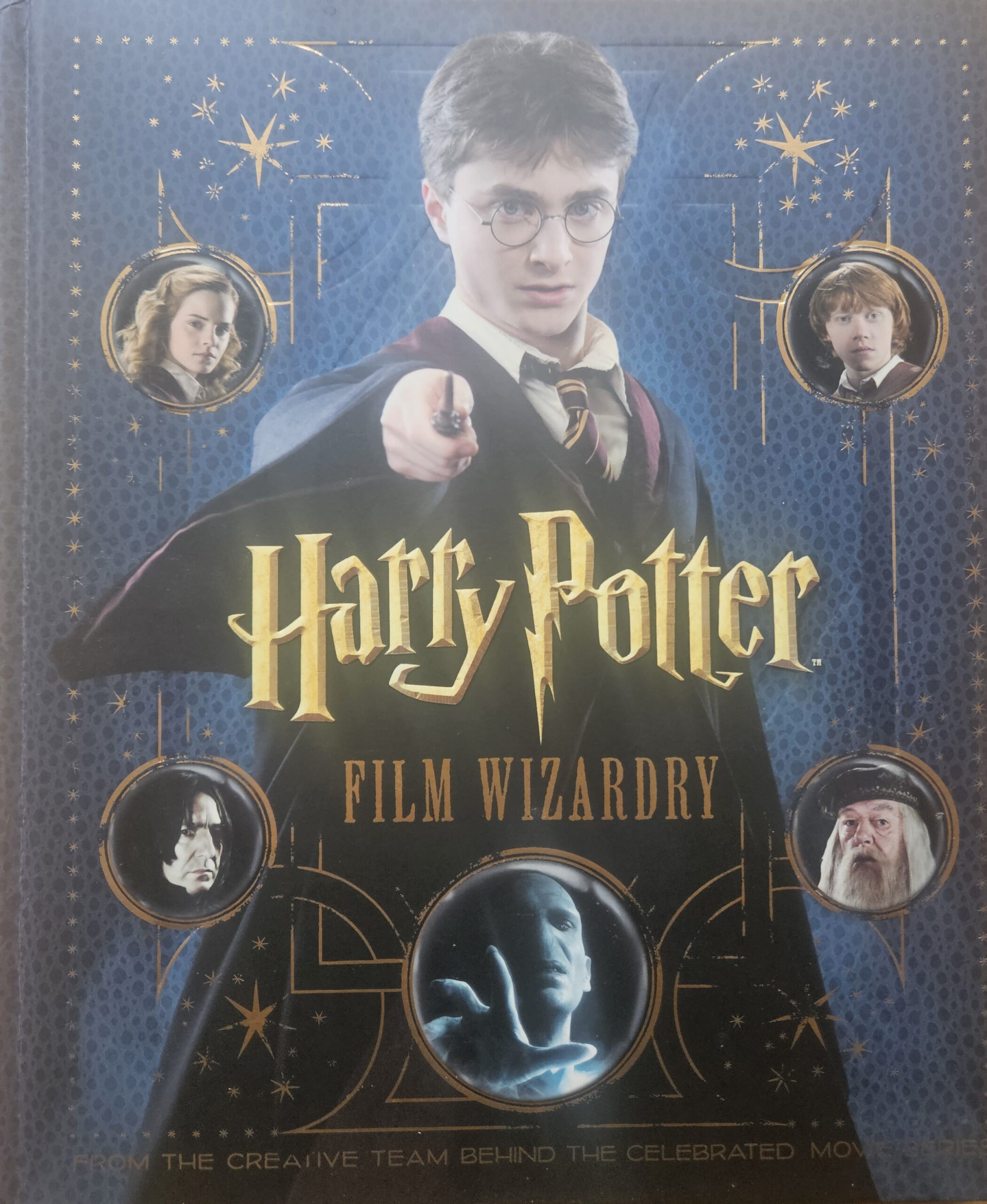
In this particular book you’ll find a letter in an envelop, inviting Harry Potter to Hogwarts School of Wizardry and Witchcraft. Letters in interactive books are booming in the 21st century. The other examples show a program booklet for the Quiditch World Championship, small posters with educational decrees that were imposed by Professor Dolores Umbridge and an ID card issued by the Ministery of Magic.
EXAMPLES from:
AND
AND
EXAMPLE from: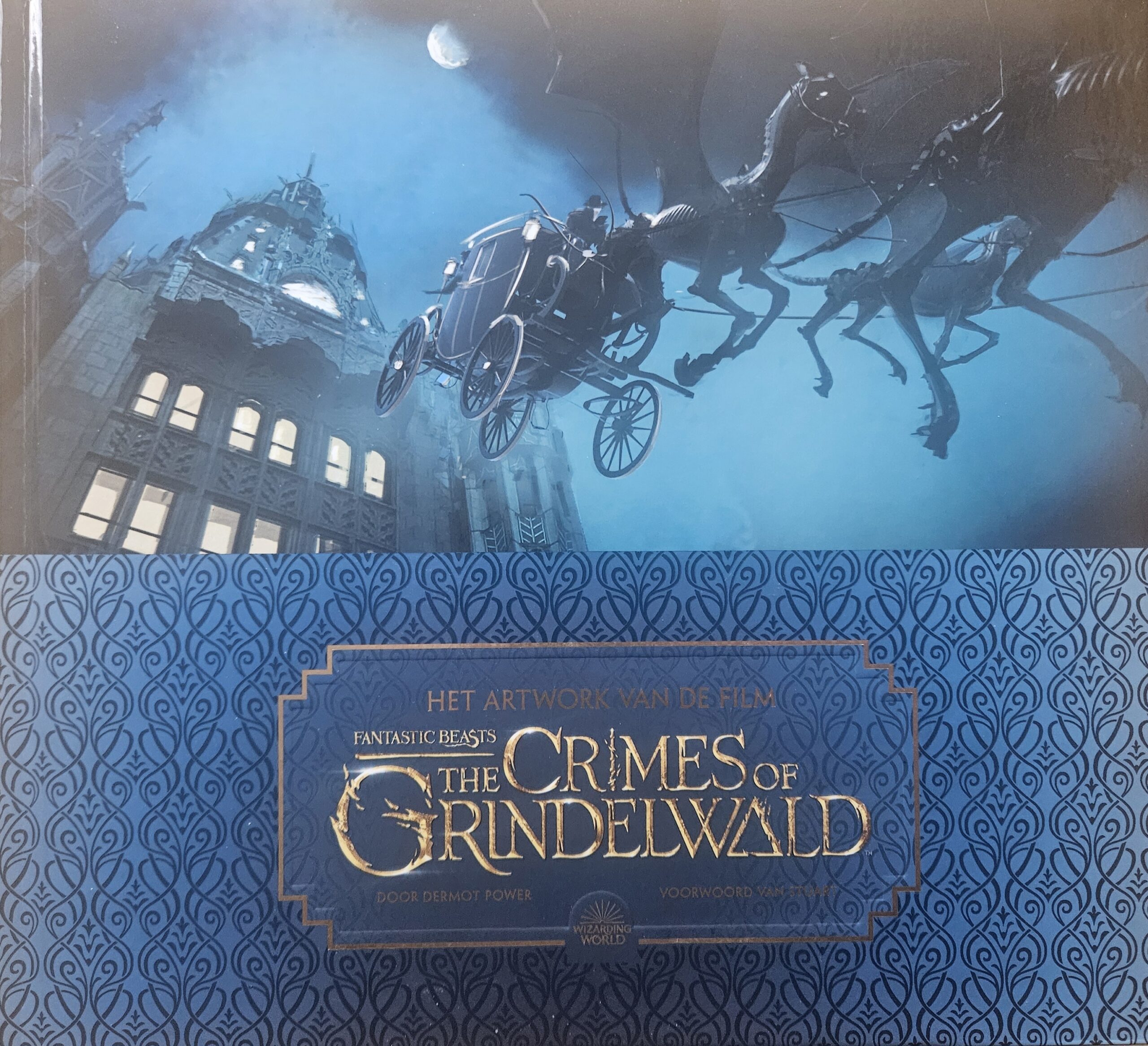
Next some examples from the paper prop designers of the above 10 movies…
EXAMPLES from:
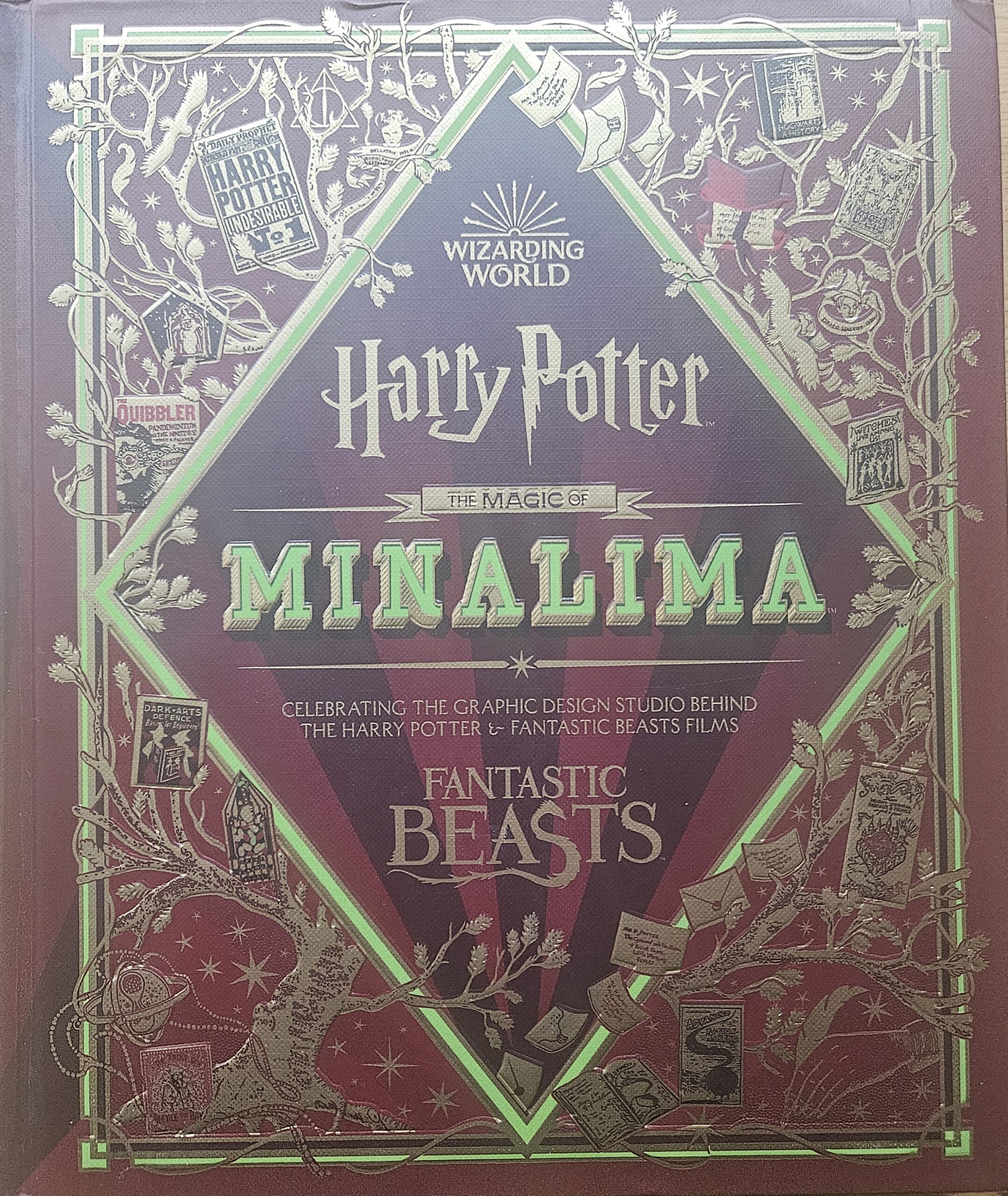
AND
EXAMPLE from:
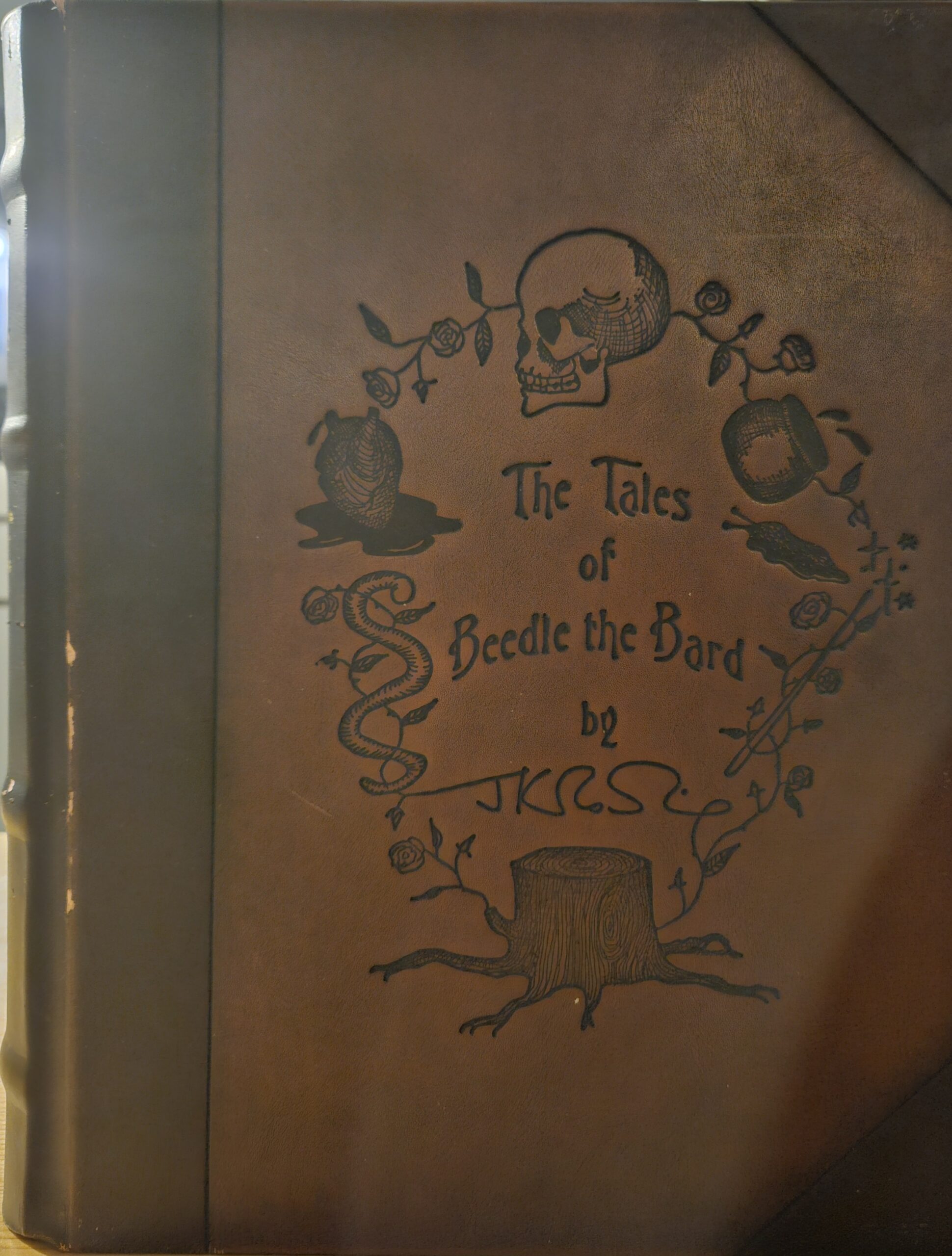
This next example is actually not a real book, but a case disguised as a book, containing a real book and some prints of drawings.
The use of large movie franchises or famous literature for interactive books is something which was again adapted by Robert Sabuda and Matthew Reinhart in pop up books in the 21st century.
Letter books
Letter books are another popular trend. They are often a combination of actual letters or postcards or even stamps put in envelops or sachets within the book and the expressions of art by the authors, which can vary from paintings or drawings to collages or nowadays even AI created work.
Here are some great examples:
EXAMPLE from:
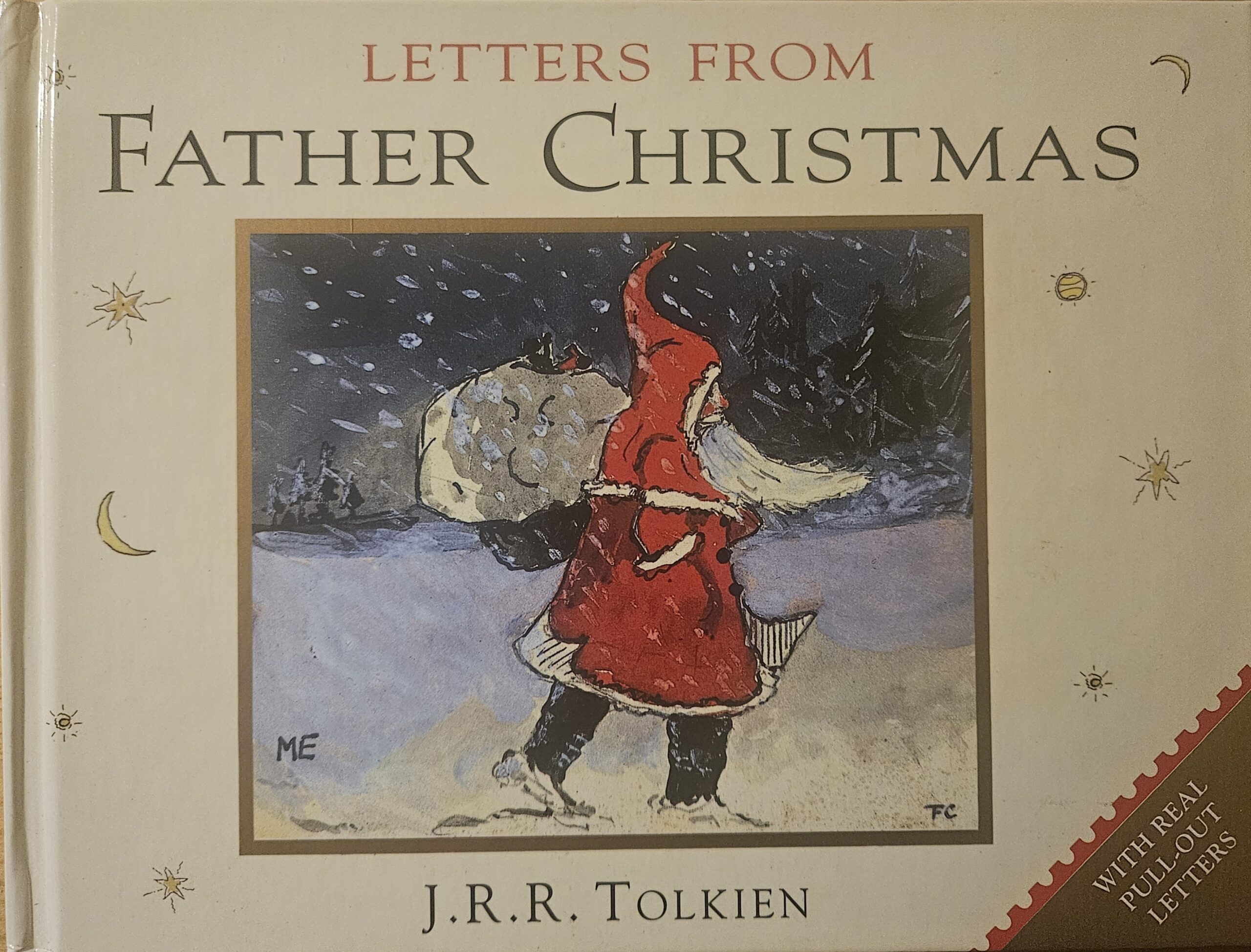
When Tolkien’s children were very young and still believed in Santa Claus, they send letters to Santa at the North Pole. Tolkien began to write letters back posing as Santa and in later letters as Polar Bear, Santa’s helper. These letters were put in envelopes, with specially designed stamps on them and later accompanied by drawings of life on the north pole. After some normal and facsimile publications, there was this interactive publication containing envelops and letters.
EXAMPLES from:
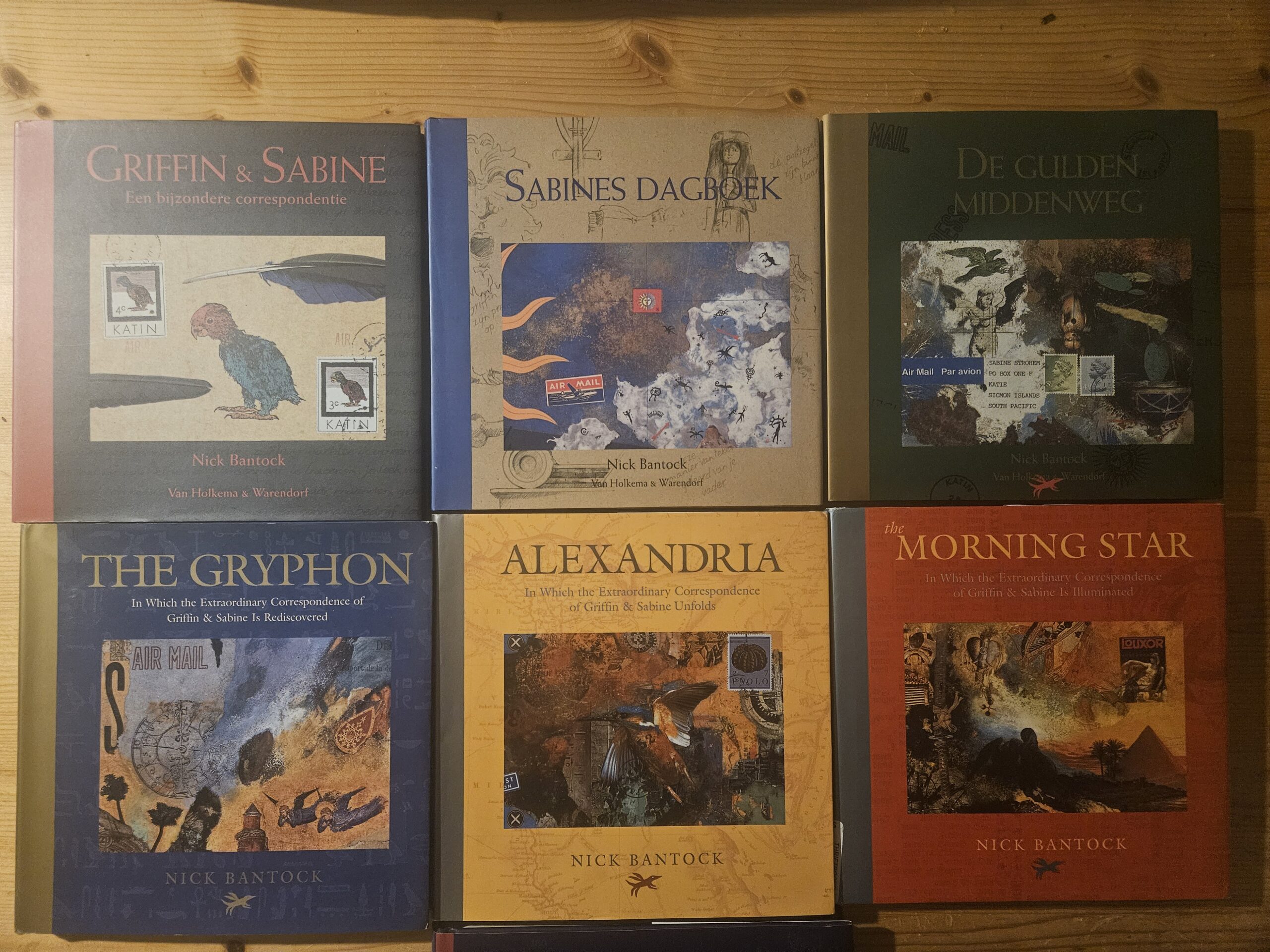
Nick Bantock’s Griffin and Sabine trilogies were a very strange correspondence in which it seemed to me that the main characters were actually two halfs of the same, maybe schizophrenic person, but even that conclusion is left in doubt …
AND one more from the Griffin and Sabine series:
Examples from:
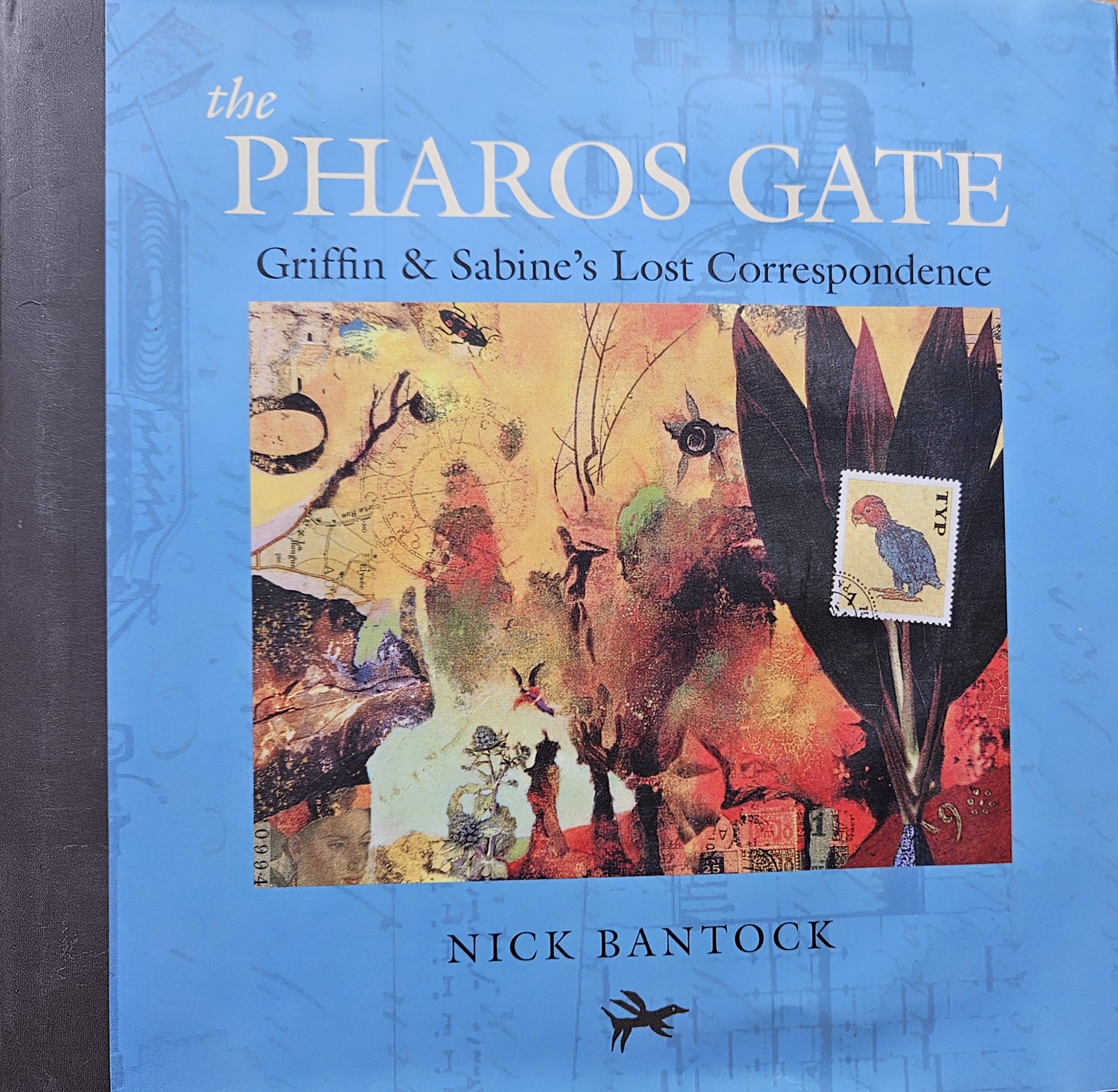
AND
EXAMPLES from:
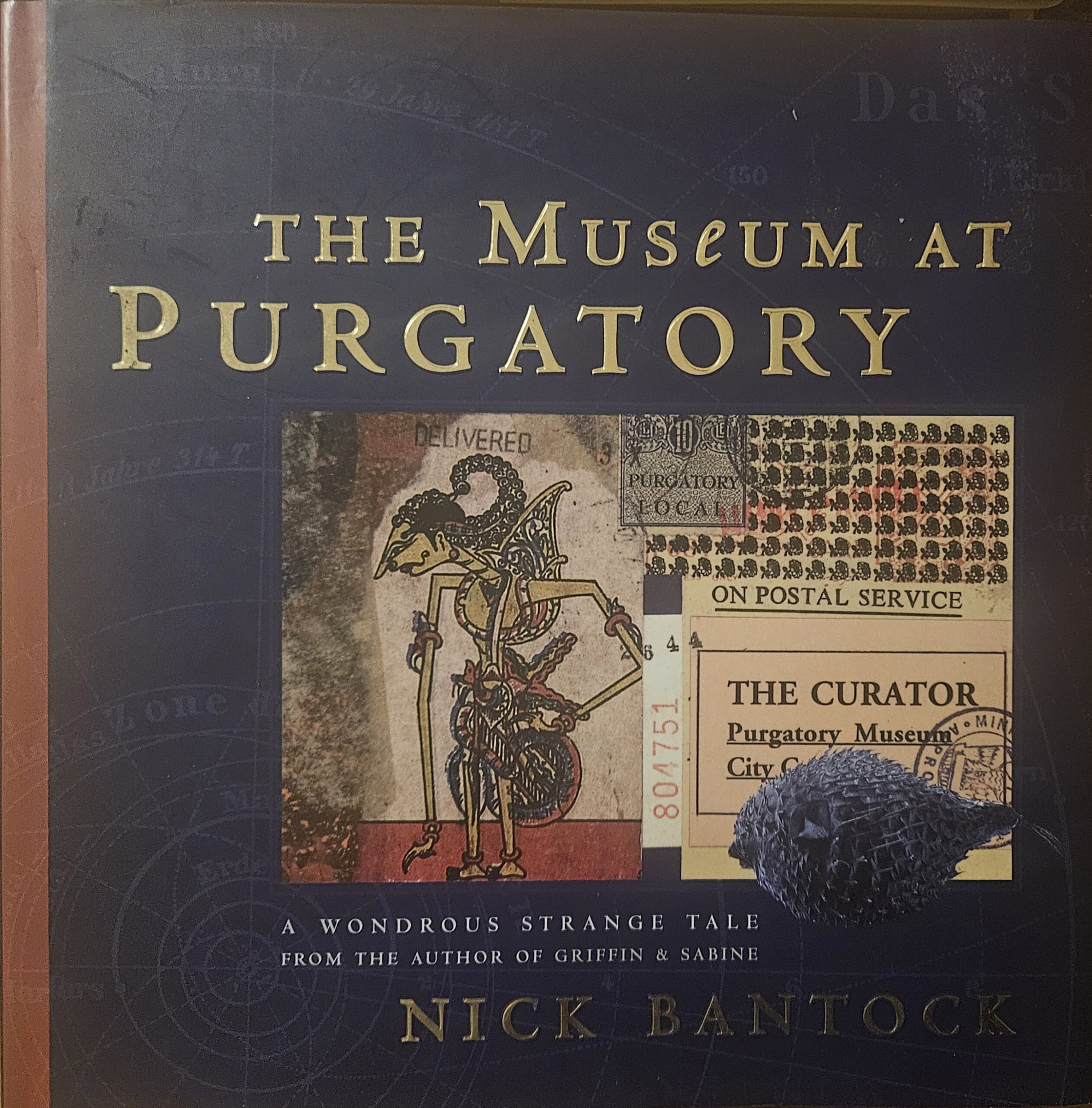
This beautiful book about a museum at purgatory, contains some stamps, designed by Nick Bantock. They are not real stamps but artwork.
AND
EXAMPLE from:
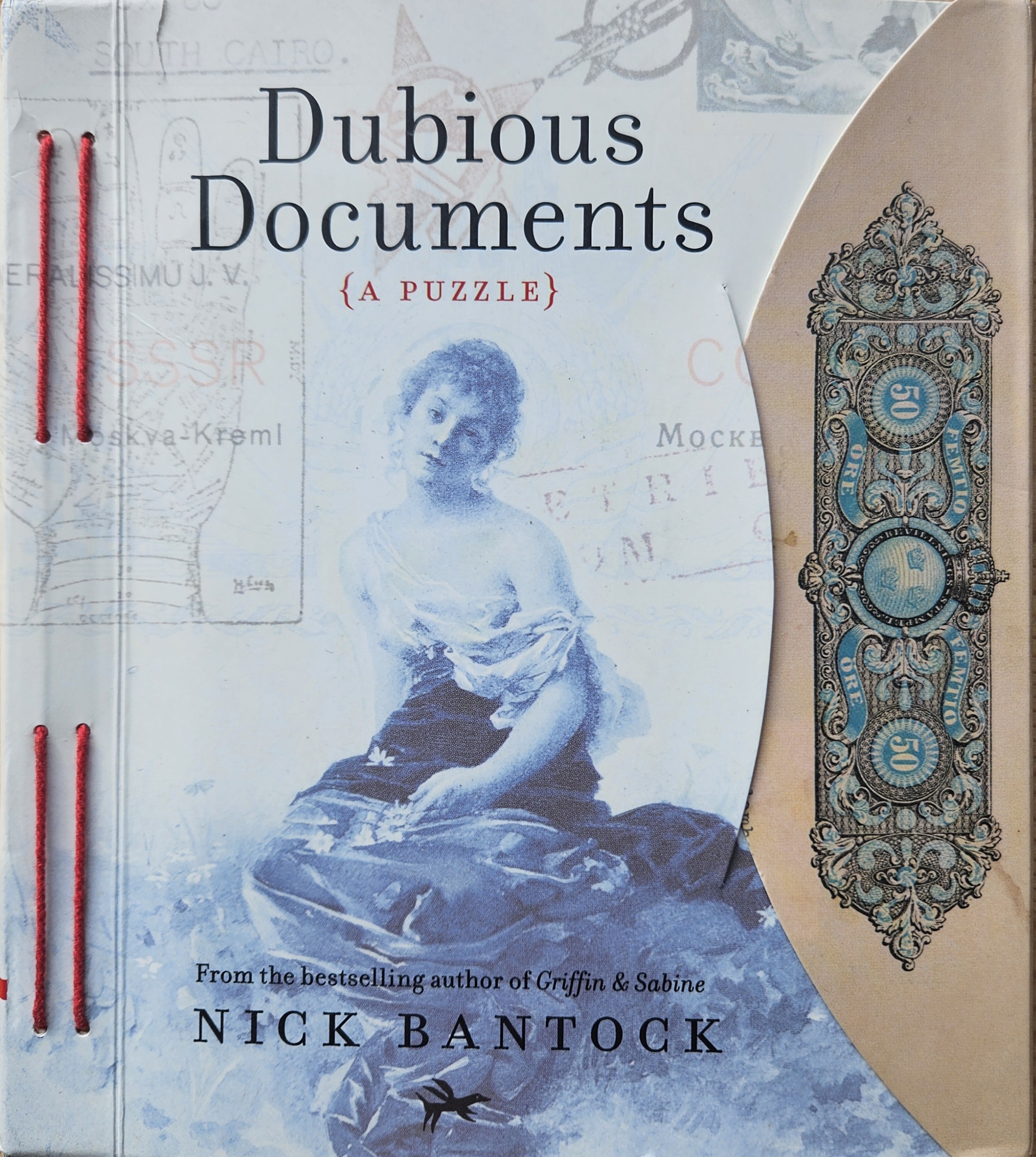
This is another take on this concept. The book contains a riddle or a mystery, which is explained in an introduction, but which can only be solved by the reader by looking at clues hidden in envelopes. Actually the whole book has envelopes instead of pages …
Children’s books
“The Little Mole” refers to the interactive adaptation of the classic children’s book The Story of the Little Mole Who Knew It Was None of His Business by Werner Holzwarth and Wolf Erlbruch.
EXAMPLE from:
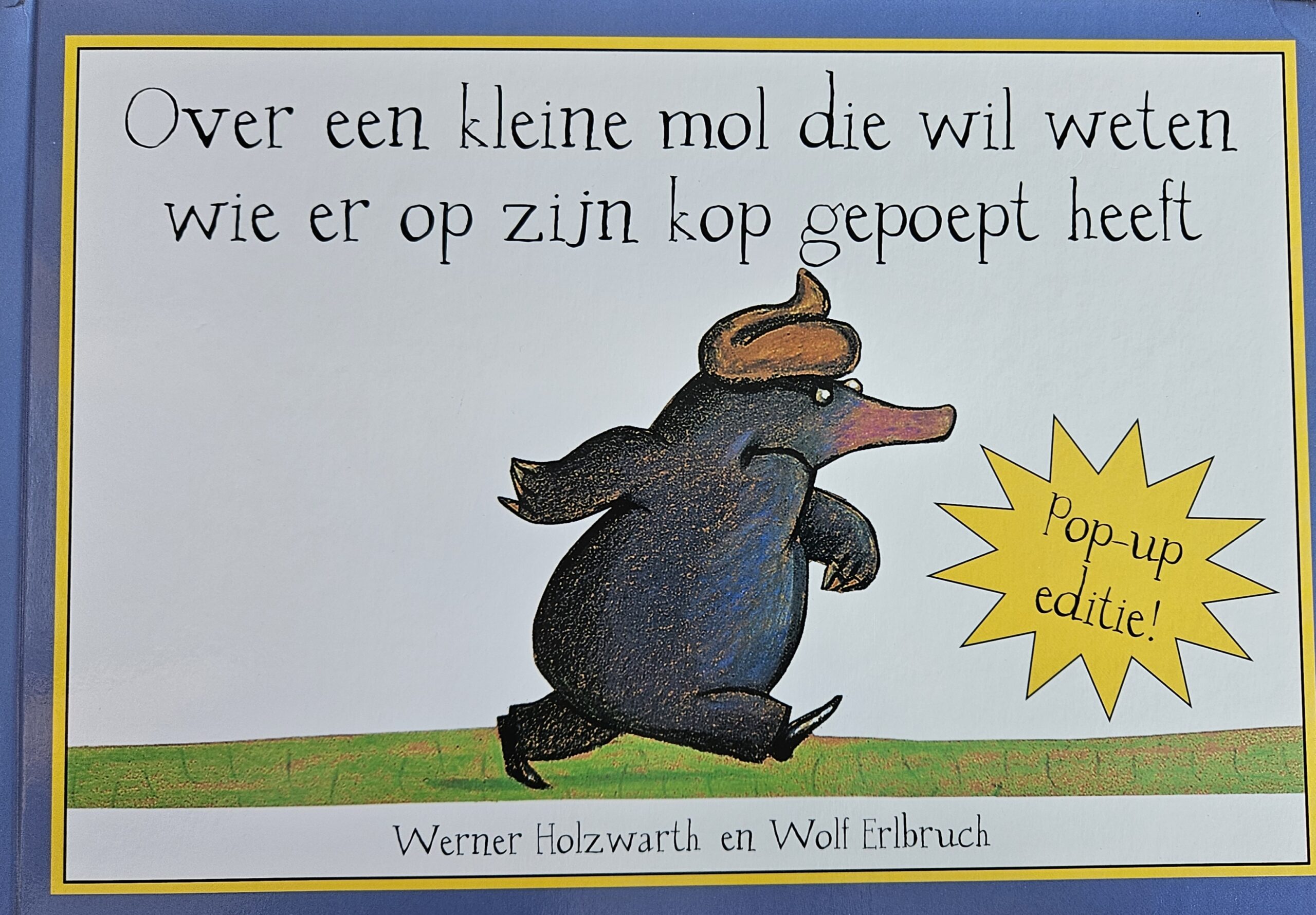
Originally published in 1994 as a humorous picture book, the story follows a mole who emerges from his burrow only to get pooped on by another animal. He embarks on a cheeky investigation, inspecting droppings from various animals to identify the culprit, ending with a twist of poetic justice.
It has a playful, irreverent vibe—bluntly scatological yet charmingly innocent, with deadpan humor that delights kids and adults alike. The illustrations are quirky and detailed, capturing animal behaviors in a whimsical, slightly gross way that sparks giggles and curiosity.
The pop-up version (Plop-Up Edition, which is actually not a pop up book but an interactive book) amps up engagement with 2D interactive situations, pull-tabs, and liftable flaps letting readers mimic the mole’s detective work—pulling to reveal poop samples or lifting to peek at suspects. This hands-on format turns reading into a tactile game.
It exemplifies how interactivity elevates simple narratives into multi-sensory adventures, blending storytelling with physical play to boost retention and joy. For interactive book enthusiasts, it showcases clever engineering for humor, proving interactivity excels at kid-friendly taboo topics without losing elegance.
Brain action incentive books
What is meant by that??? Well think of the Letter book Dubious Documents which has been described above. It is a letter book, but also a puzzle or riddle to solve. Thus Dubious Documents can also be seen as a brain action incentive book. Here are some more examples of books that are not just for reading, but actively challenge your brain to solve, find, search or combine things.
Star Wars: Waar is de Wookieee?: Een zoek-en vindboek (StarWars: Where is the Wookiee? A search and find book).
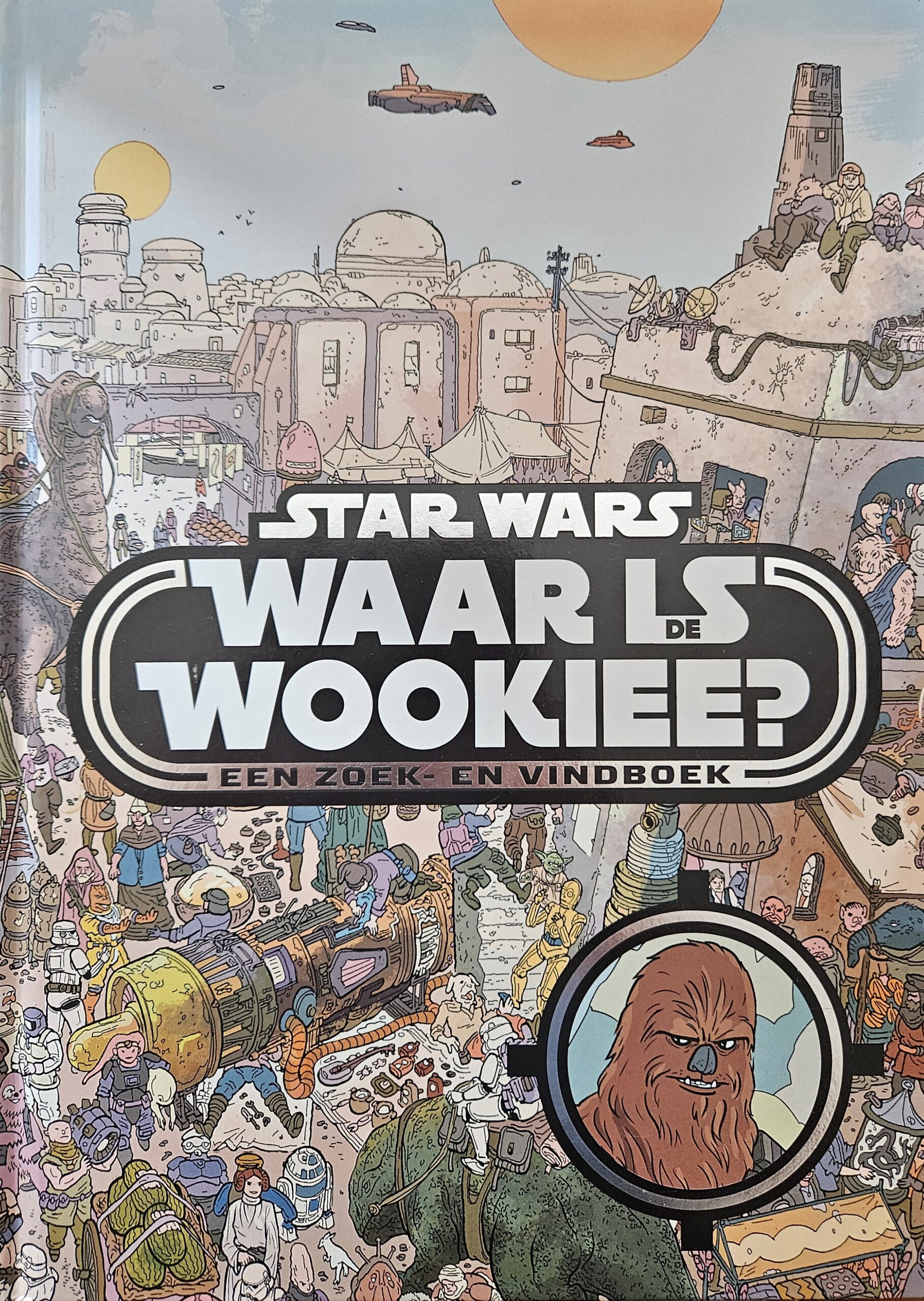
This is a Star Wars version of the famous Where is Waldo?-books. The reader is stimulated to search and find The Wookiee Chewbacca and many other characters in different crowded environments from the Star Wars universe…
AND
Atlas vande belevingswereld/Cartografie van de Liefde/Van A naar B (en weer terug)
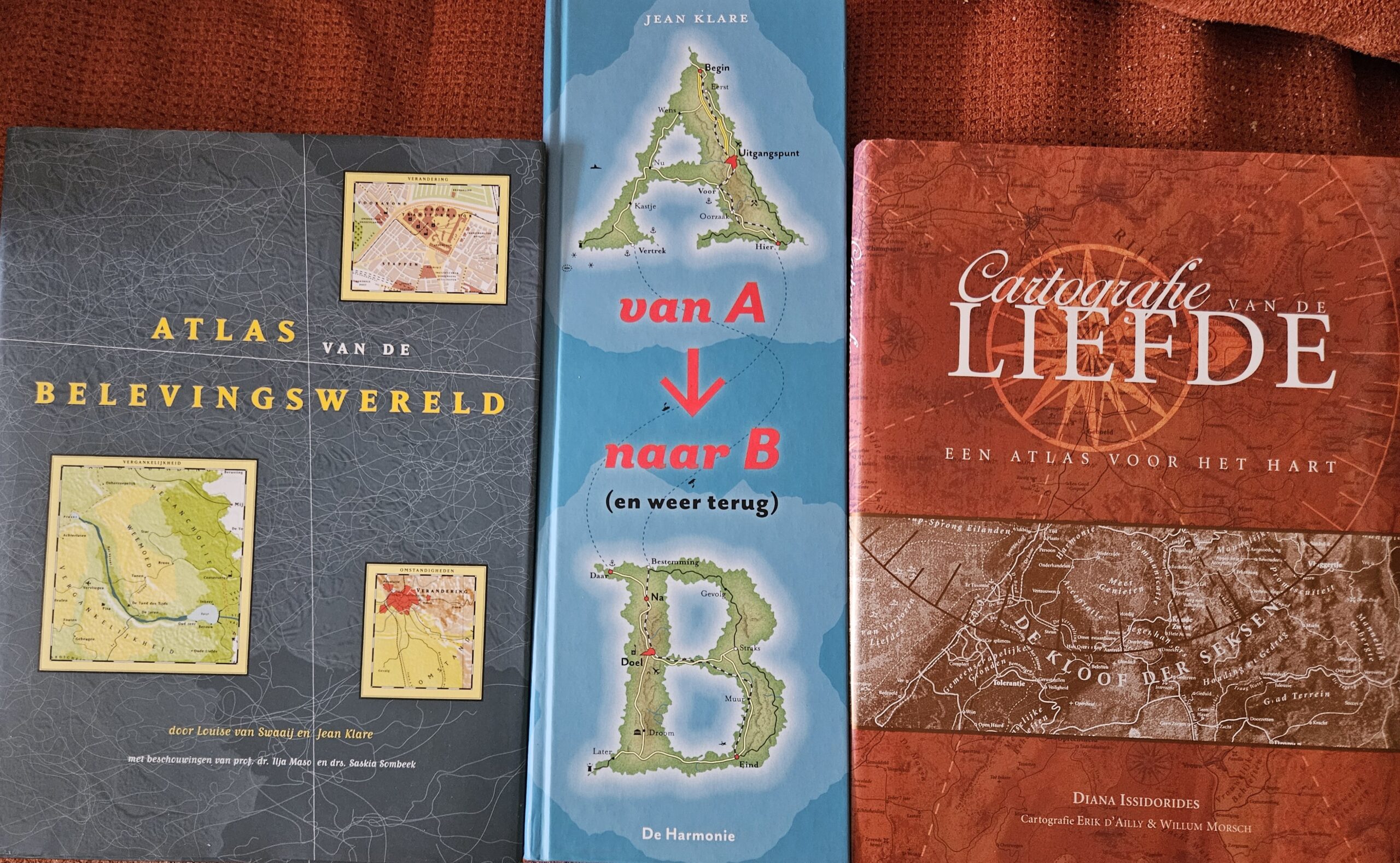
These atlasses are all of invented lands with invented towns, villages, lakes, roads etcetera. The reader is stimulated to “travel” in his mind, using the maps and connecting locations. Essentially, these are playful, philosophical, and illuminating representations of experiences, feelings, and life events—presented as if you were looking at a regular atlas, but for the inner world of human experience or that of being in love rather than geography.
AND
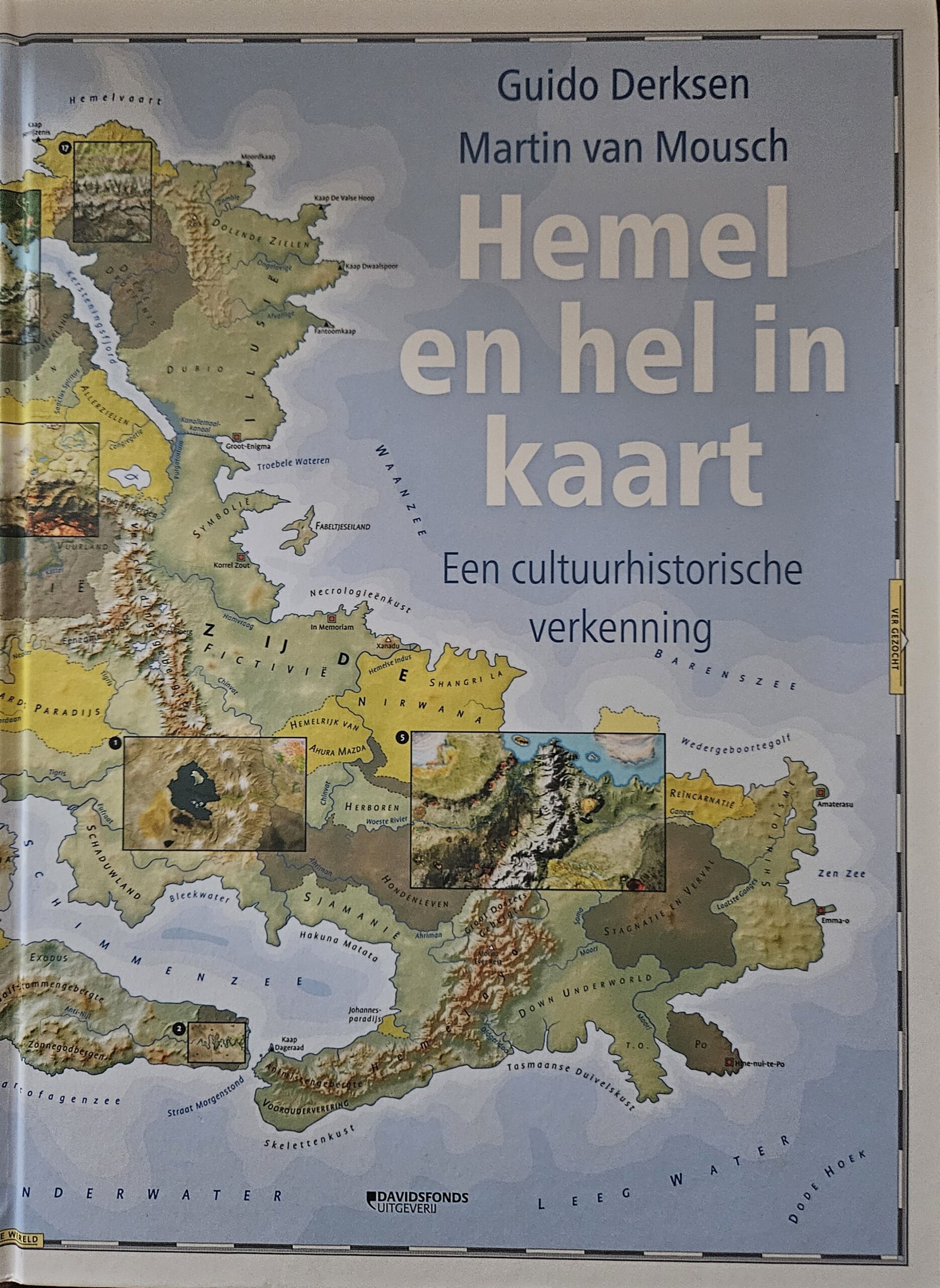
Although comparable to the previously mentioned atlasses, this one focusses on all manifestations of Heaven and Hell in diverse religions and eras.
One more major category needs to be added here, but I decided to describe those in an additional 9th deep delve because they are interactive books as well as pop up books attached to boardgames.
If you’re interested in a further deep dive into what diverse expressions of our human discoveries, soul, experience and fantasy we have tried to map in one or another form, then please read this blogpost (not related to this interactive book blogpost series though):
And then there is another major new development which will most certainly have impact on the creation of pop up books as well:
Die‑cuts, laser cuts, and the fine lace of paper
- Die‑cutting is robust, relatively fast once the tool is made, and ideal for large print runs where hundreds or thousands of identical pieces must be produced. Corners tend to be slightly rounded, curves smooth rather than hair‑fine, because the metal rule itself cannot bend beyond certain tight radii, and every additional inner window or slot means a more complex and expensive die.
- Laser cutting enters much later, as digital tools and cheaper laser engravers make it feasible to “draw” the cut path with light instead of steel. Where a die is a fixed object, a laser path is just a file: change the design on a computer and the same machine can cut a completely different pattern on the next sheet. Laser cutting excels at extremely intricate patterns—filigree lace, dense foliage, swirls of hair or smoke—where lines can taper to tiny points and internal voids can be as fine as handwriting. The trade‑offs are different: speed per sheet is usually slower than high‑volume die‑stamping, slight scorching or darkened edges can appear on some stocks, and production often suits smaller or more luxurious editions rather than mass‑market toy‑store print runs. This distinction matters artistically as well as technically. Die‑cuts encourage bold, graphic forms: large silhouettes, strong negative shapes, doors and windows and broad character outlines, all of which work beautifully in classic pop‑up and movable books that rely on clear read‑from‑across‑the‑room imagery. Laser cuts invite a more delicate, lace‑like, almost textile sensibility: branches can fracture into dozens of twig ends; hair can become a cascade of individual strands; architectural tracery can be rendered at true ornamental scale.
- Some contemporary artists deliberately combine both: large die‑cut structural elements for strength, with laser‑cut overlays that add a skin of detail over the main pop‑up skeleton.
All the before mentioned books and examples (also those in previous episodes of this blogpost series) are, if cutting was applicable, die cutting examples.


So what exactly is Die cutting?
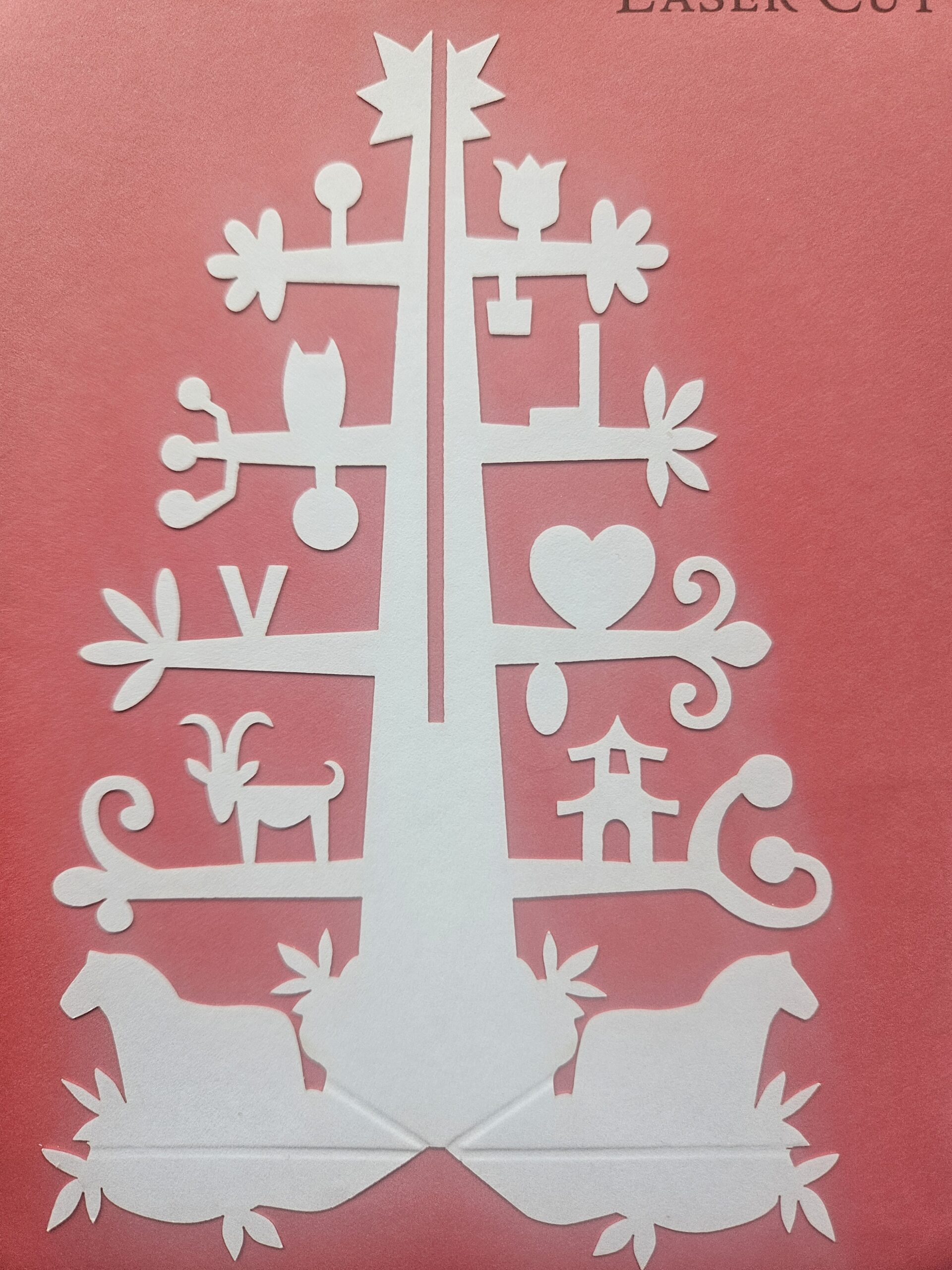
In pop‑up book production, die cutting is the industrial process of cutting printed sheets into precise shapes using a custom-made metal “knife” (the die) pressed into the paper. It’s how all the little parts—figures, tabs, slots, and oddly shaped pieces—are cut out cleanly and consistently for mass assembly.
How die cutting works in pop‑up books: A thin steel blade (a bit like a razor blade but much longer) is bent into the exact outline of the part (for example, a dragon wing or a pull tab) and mounted into a wooden block: this combination is the die or die‑mold.
Printed sheets with the artwork are placed under this die in a press; the press pushes the die through the paper, punching out the pieces, often also adding score lines for folds in the same pass.
Multiple layers of sheets can be cut at once, giving you hundreds or thousands of identical pieces that will later be folded and glued by hand into the pop‑up mechanisms.
In short: die cutting is the step that turns your flat printed layout into accurately shaped components that the paper engineer designed, making complex pop‑up mechanisms reproducible on a large scale.
And what is Laser cutting?
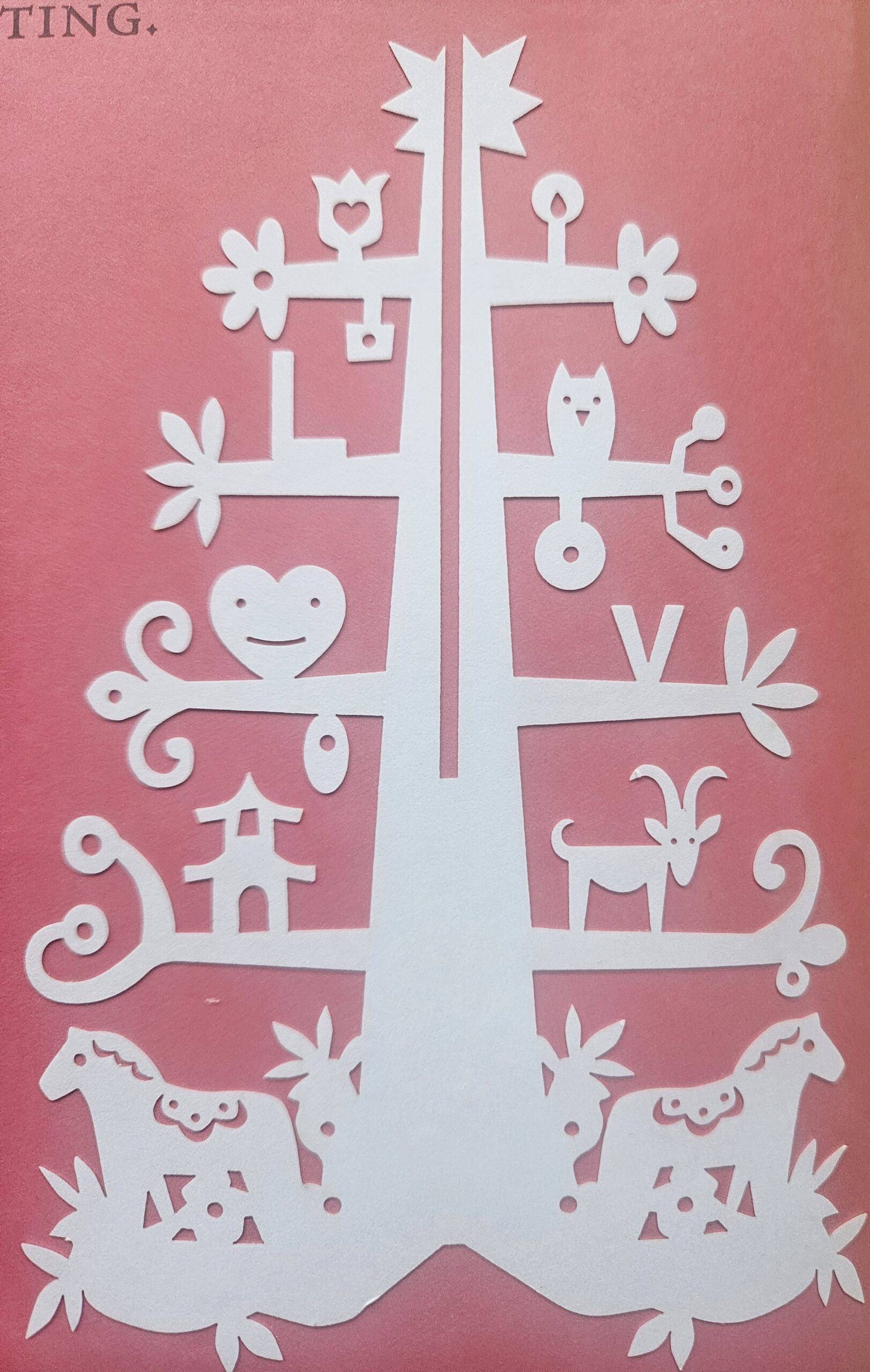
Laser cutting in pop-up book creation uses a high-powered laser beam to precisely cut, etch, or score paper and cardstock into intricate shapes, tabs, and fold lines for mechanisms. Unlike die cutting, it requires no physical blades, making it ideal for prototypes, custom designs, or small runs where flexibility trumps mass production costs.
How it works in pop-up books
A CO2 laser (typically 30-150W) follows vector files (e.g., from Inkscape or Illustrator) to vaporize paper along hairline paths, creating clean cuts for pop-up elements like wings, flaps, or layered scenes.
It can “engrave” fold lines by lightly scoring (raster mode) at low power/high speed, producing crisp creases for mountain/valley folds without tearing.
Settings adjust for material: e.g., 350mm/s at 20% power for thin cardstock; slower/higher power for thicker/coated paper.
This method excels for complex, detailed prototypes (e.g., insect wings or multi-layer scenes) but is less economical for high-volume books compared to dies.
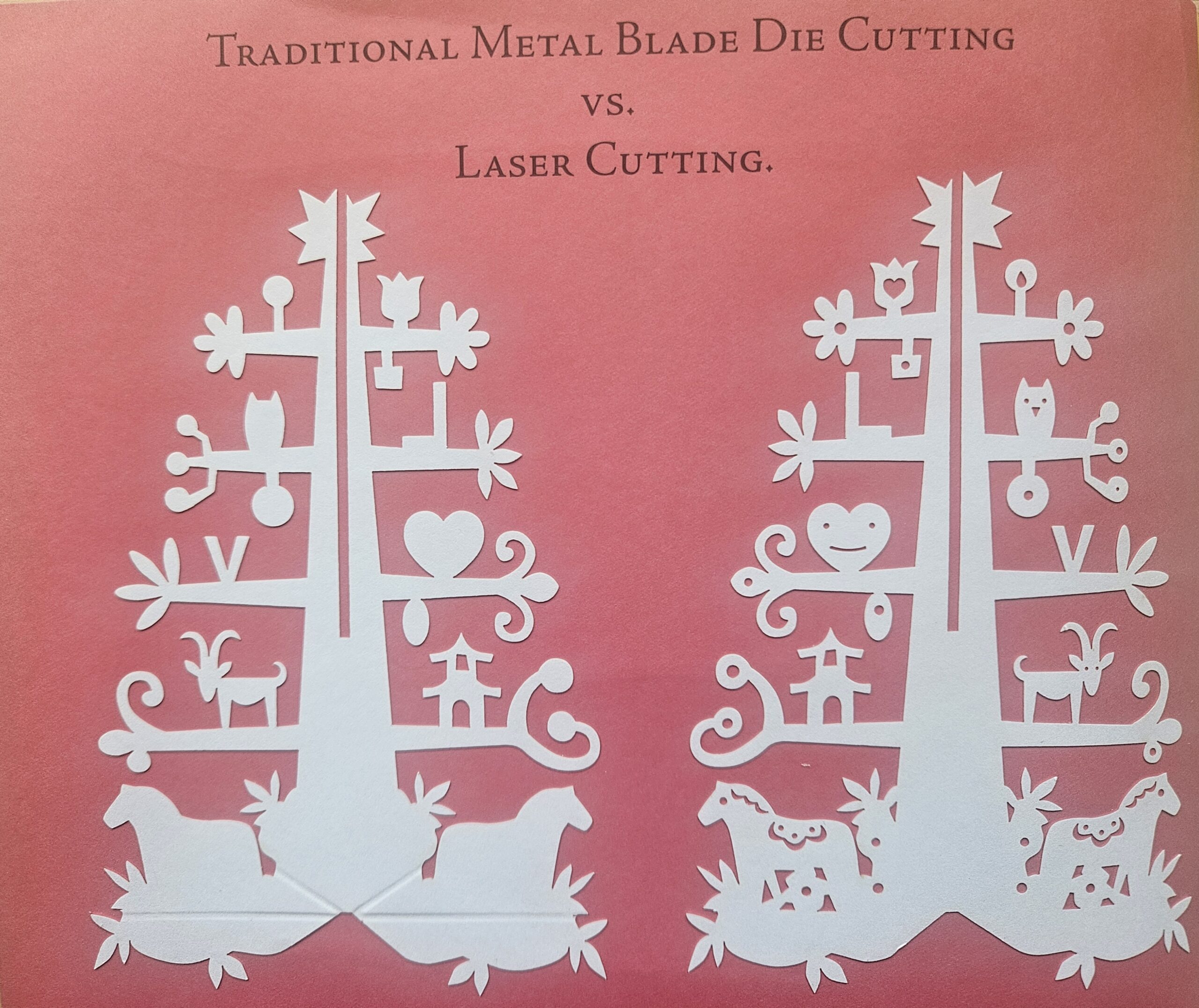
Is Laser cutting replacing Die cutting or are they compatible?
Laser cutting is not replacing die cutting in pop-up book production; the two methods are highly compatible and used side by side depending on project needs. Die cutting remains the industry standard for high-volume commercial books due to its speed and low per-unit cost after tooling, while laser cutting supplements it for prototyping, intricate details, and small runs.
Laser cutting speeds up paper engineering testing (e.g., tweaking a dragon’s wing pivot), then dies take over for printing 50,000 books.
They complement each other perfectly in the workflow.
EXAMPLES from:
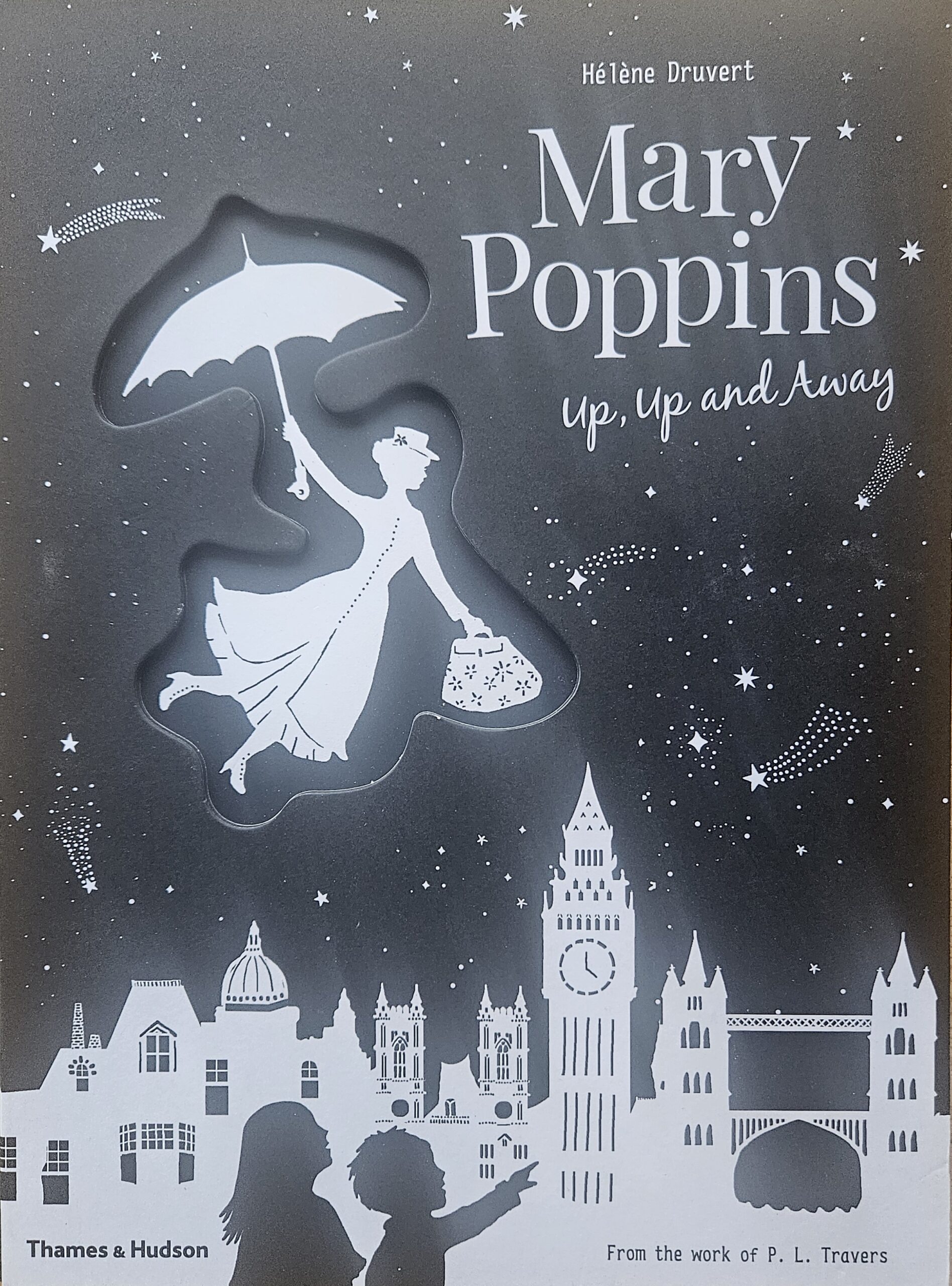
Rebecca Dautremer
Rebecca Dautremer, another major French illustrator, brings lush, romantic imagery and narrative depth to the interactive realm. When her work ventures into pop‑up or movable formats, the focus is often on atmosphere: long‑limbed characters, intricate costumes, and dreamlike landscapes gain extra resonance when they bow forward or recede into depth. The mechanisms in such books tend to be carefully subordinated to mood—doors open slowly onto emotional revelations, not just mechanical tricks—showing how pop‑ups can be cinematic and introspective rather than merely spectacular.
Rebecca Dautremer’s work offers a powerful example of how these tools shape storytelling, and her book Midi pile is often cited as a key demonstration. Its intricate apertures, layered silhouettes and finely cut patterns rely on a precision of cutting that feels much closer to laser lacework than to traditional, broad die‑cut blocks. The reader does not just see a character or setting rise from the page; they peer through a mesh of leaves, hair, fabric and shadow that has literally been carved out of the paper surface.
In Midi pile, the cutting technique is not a neutral production step but part of the narrative atmosphere: the fragility of the paper echoes the fragility of the story’s emotions, and the way light passes through the cut shapes changes the mood as you tilt the page.
EXAMPLES from:
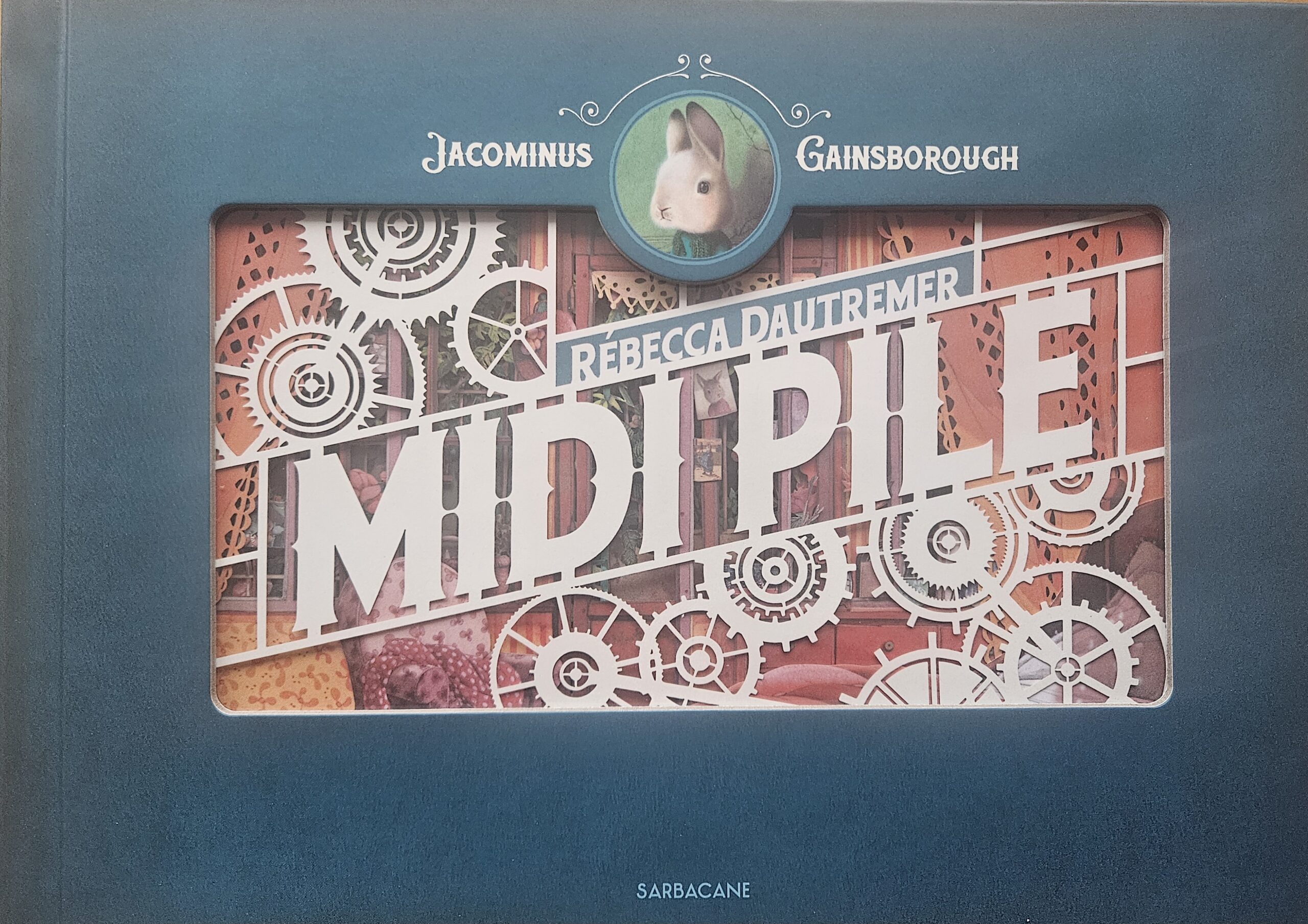
Seen from the long arc of pop‑up history, die‑cutting and laser cutting sit like two chapters in the same technical saga.
- Die‑cutting made it possible for Meggendorfer, Kubašta, van der Meer, Carter, Sabuda and Reinhart to produce complex constructions at scale, turning paper engineering into a viable industry.
- Laser cutting, in books such as Dautremer’s Midi pile, extends that legacy into a realm of filigree and nuance, where the cut edge itself becomes a line of drawing, and where interactive books can feel as much like hand‑crafted art objects as like children’s toys.
- Together they show that even at the level of the invisible factory floor, the evolution of cutting tools keeps reshaping what stories can do when they quite literally break the surface of the page.
Let’s now continue and see what the latest 21st century pop up history has been in the upcoming 6th episode.