
An illustrated history of Interactive books Part 3: From Pull Tabs to 3D via Tunnels and Boxes and the Birth of Pop Up Books, by The Booknook Librarian (19th century)
The 19th century: childhood meets engineering (Tunnel Books, Meggendorfer and diorama instincts)
The true golden age of interactive children’s books emerged in the 19th century, when industrial printing made color images and die‑cutting more affordable.
Publishers like Dean & Son in London saw that parents craved “improving” books that could also distract children long enough for a cup of tea.
Dean & Son’s “living picture books” used: Pull‑tabs … (
Click here to read more about the use of pull tabs and on what pull tabs are:
… ) that made animals wave their paws, people nod their heads, monkeys pull stuff from someones hands or trains move across the page.
Tunnel Pop up books
Simple tunnel structures (peep‑shows) where layered arches receded into depth, so looking through a hole revealed a miniature stage set.
These tunnel structures actually worked quite similar to Disney’s multiplane camera which was used to add 3D effects to their 2D animated movies, like some of the Silly Symphonies and of course Snow White.
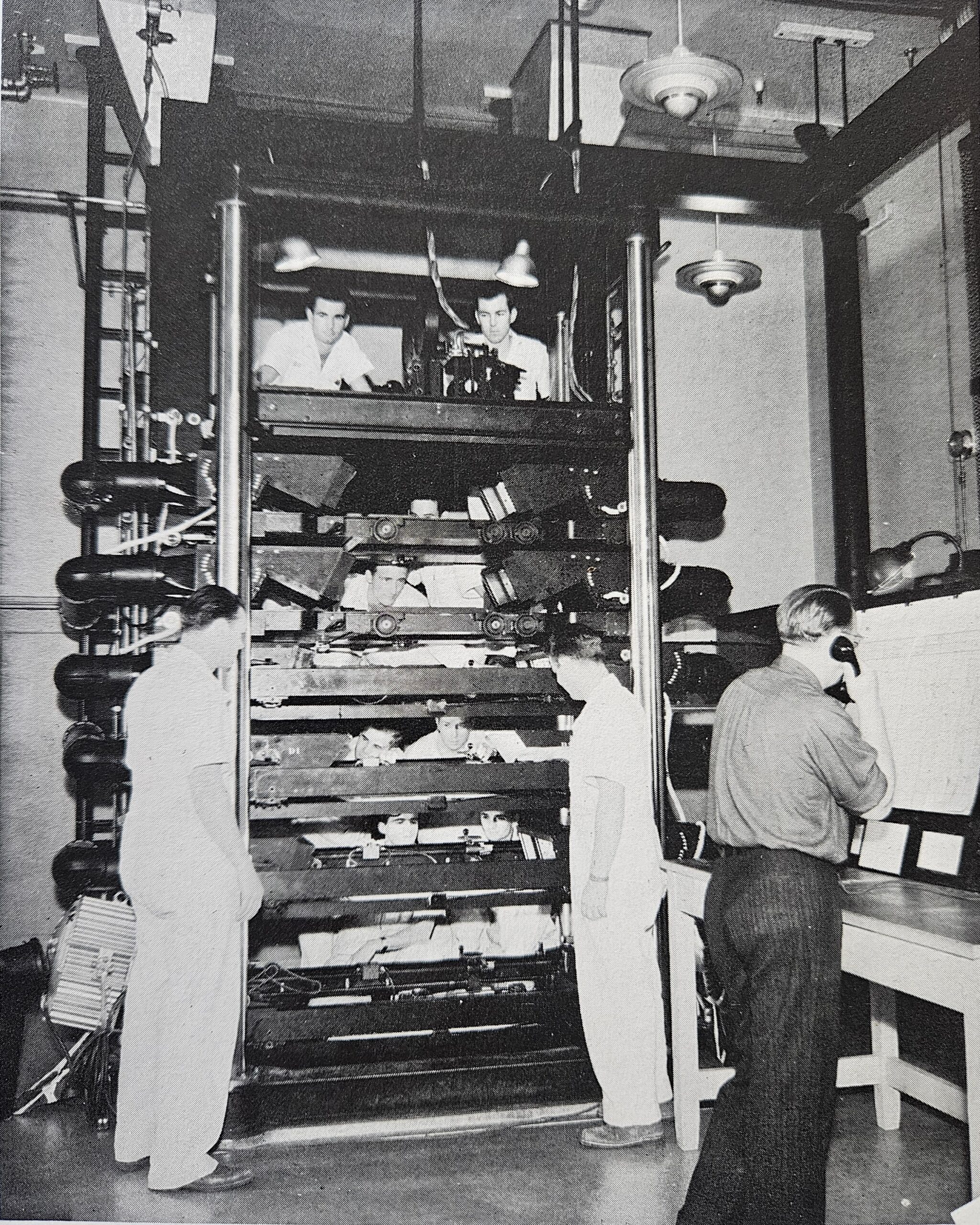
Disney’s multiplane camera stacked painted glass layers at varying distances under a moving overhead camera. Foreground layers moved faster than backgrounds, creating realistic depth via parallax. It enabled cinematic pans and immersive scenes, like forest glides in Snow White.
Just to be clear: tunnel pop ups stem from the mid 19th century and the multiplane camera which was first used in 1937’s The Old Mill (a Silly Symphony) was not in any way related to or inspired by those. I just feel it is a good more modern tool which illustrates well what tunnel pop ups and later boxed pop ups do too. They all use layers to achieve a 3D effect in a 2D environment or medium.
Those tunnels and peep‑shows in pop up books were kinda similar to this multiplane camera. A tunnel was created by using a solid background and a foreground containing an opening through which to look (your eyes are the camera). Next two concertinas are attached to the background as well as to the foreground and on different levels in between pieces of paper are attached which have holes in them that also are wide enough to see through. Like this:
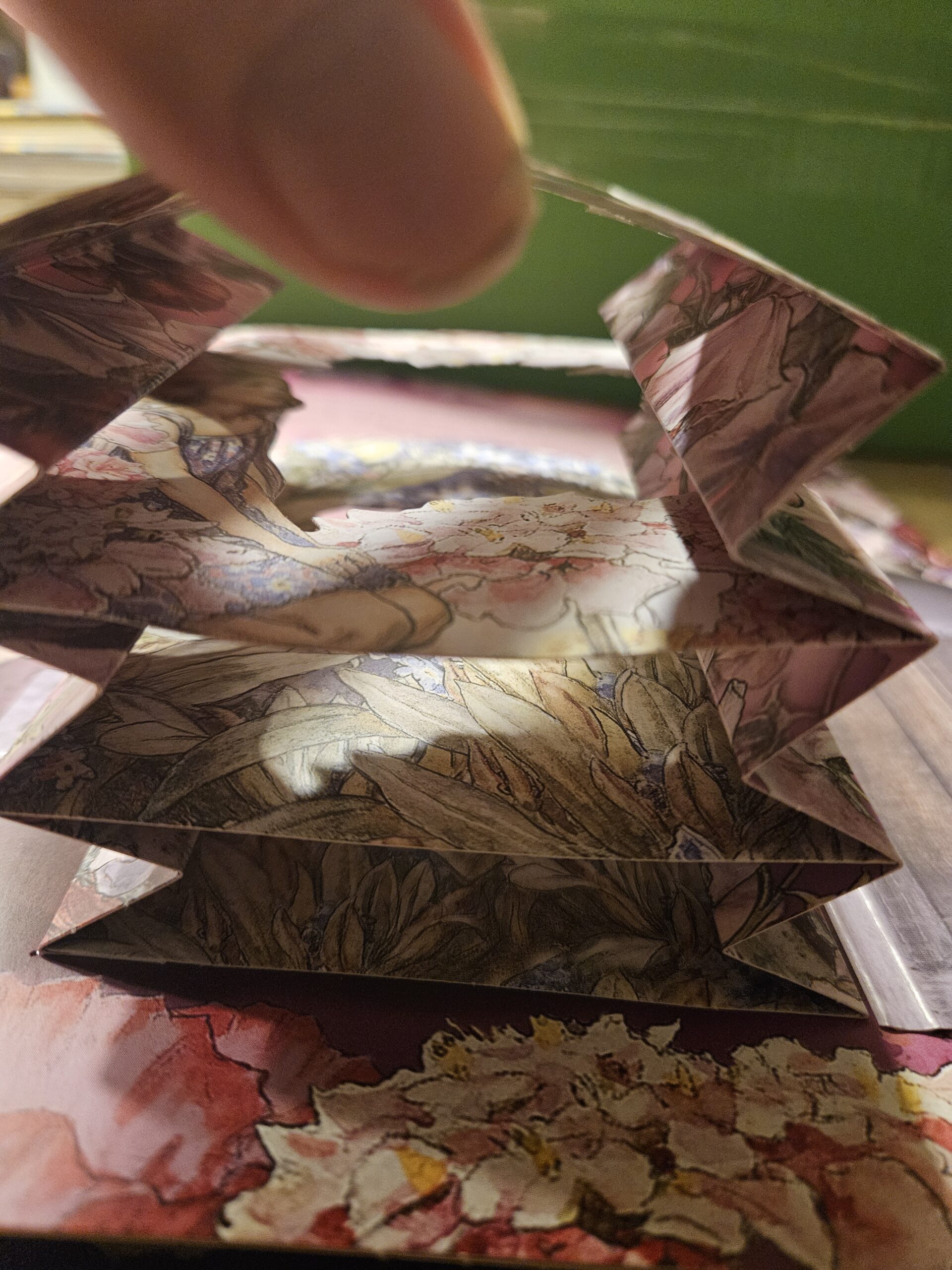
(Modern) EXAMPLES from:
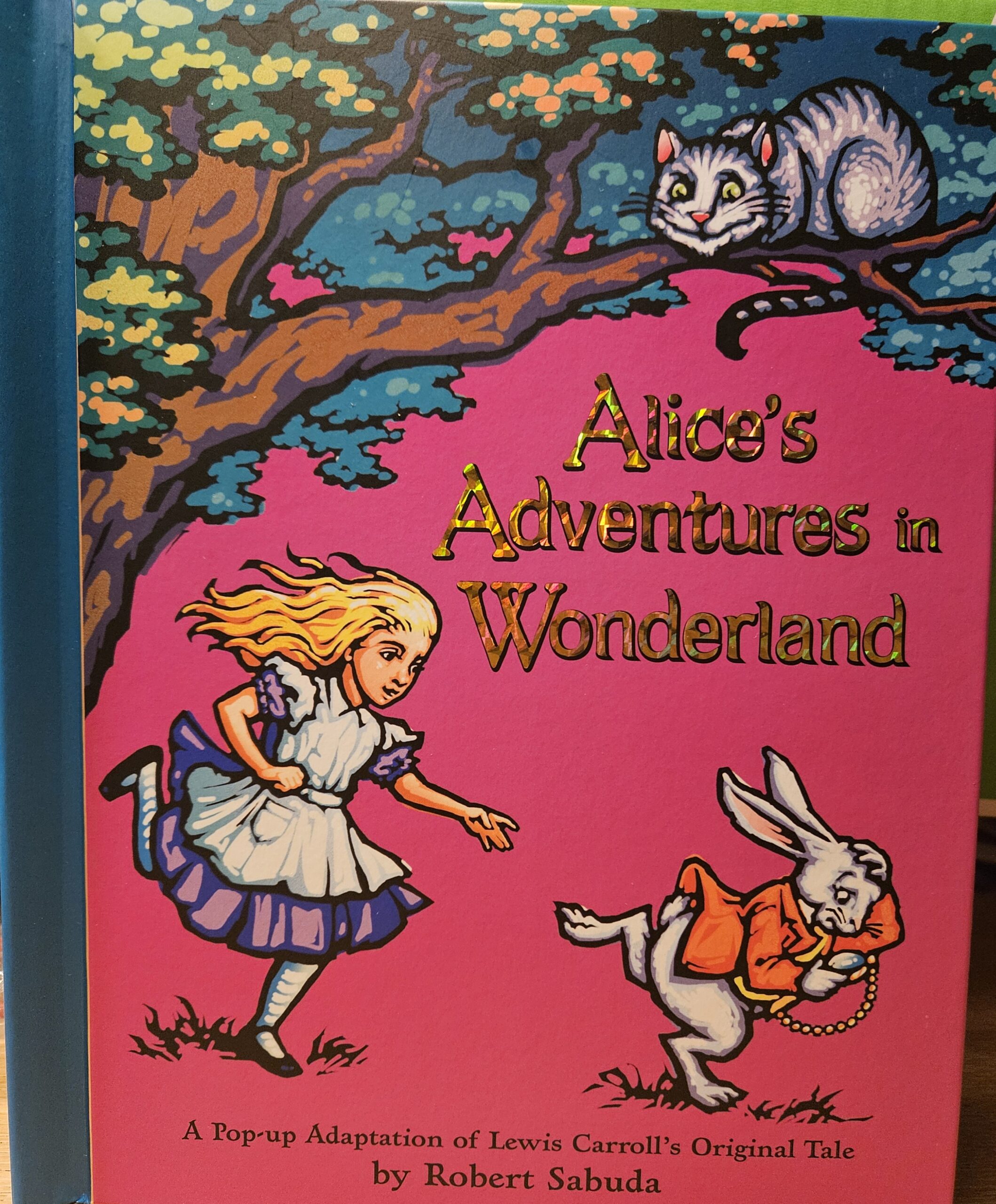
AND
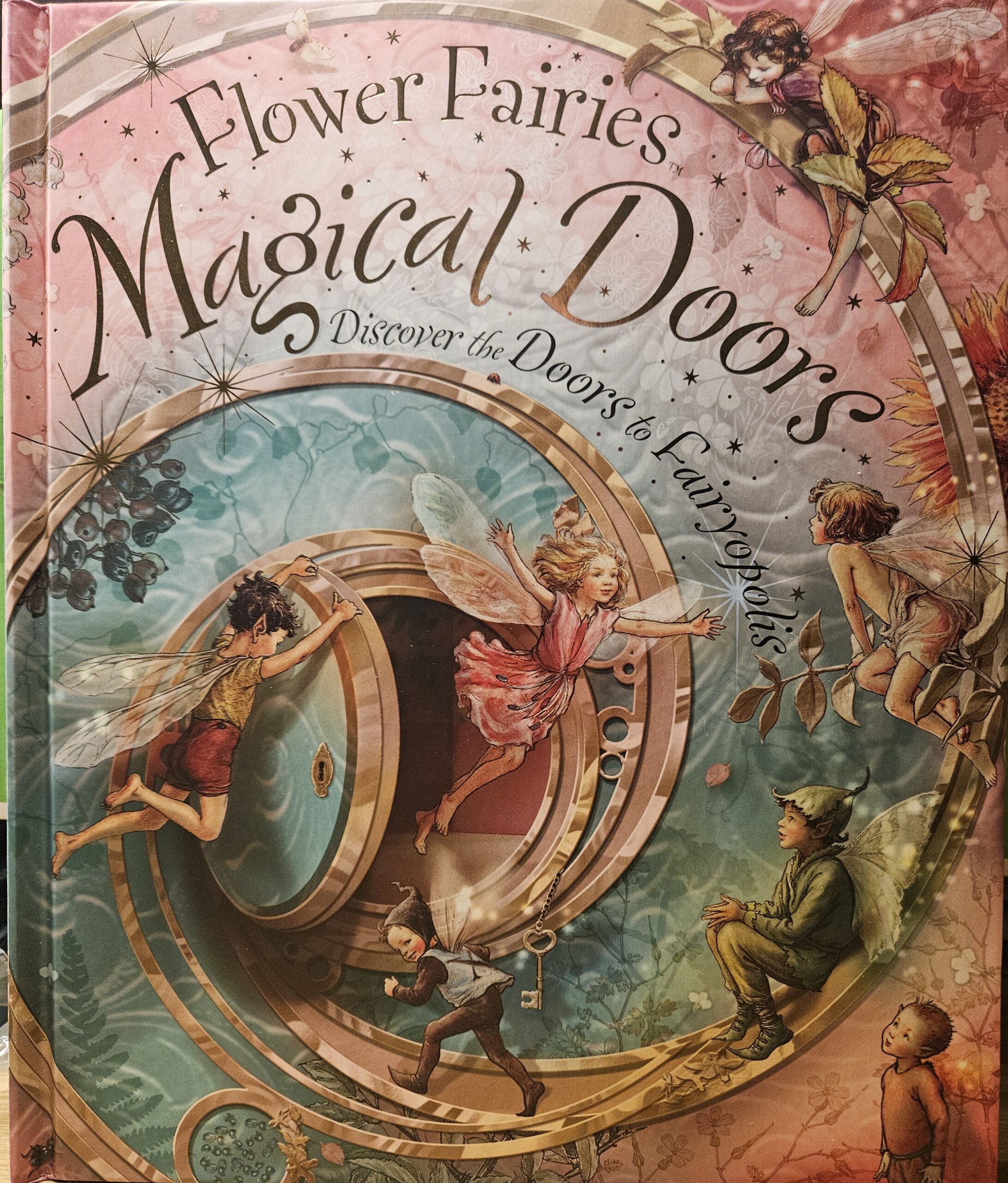
AND
Beneath are some examples of tunnels created for entertainment, within modern pop up books. Older examples are also concerning whole books based upon the tunnel principle, where the back of the book functions as the bottom or back of the tunnel. In the examples below it is even possible to have multiple tunnels on just one single page …
EXAMPLE from:

The next example is of a more practical nature. It is used to give the viewer an impression of what it is like to enter the Notre Dame in Paris. This tunnel has a roof added and narrow openings are carved in the concertinas, this mimicking the presence of stained glass windows and of the light coming in sideways …
Boxed Pop up books
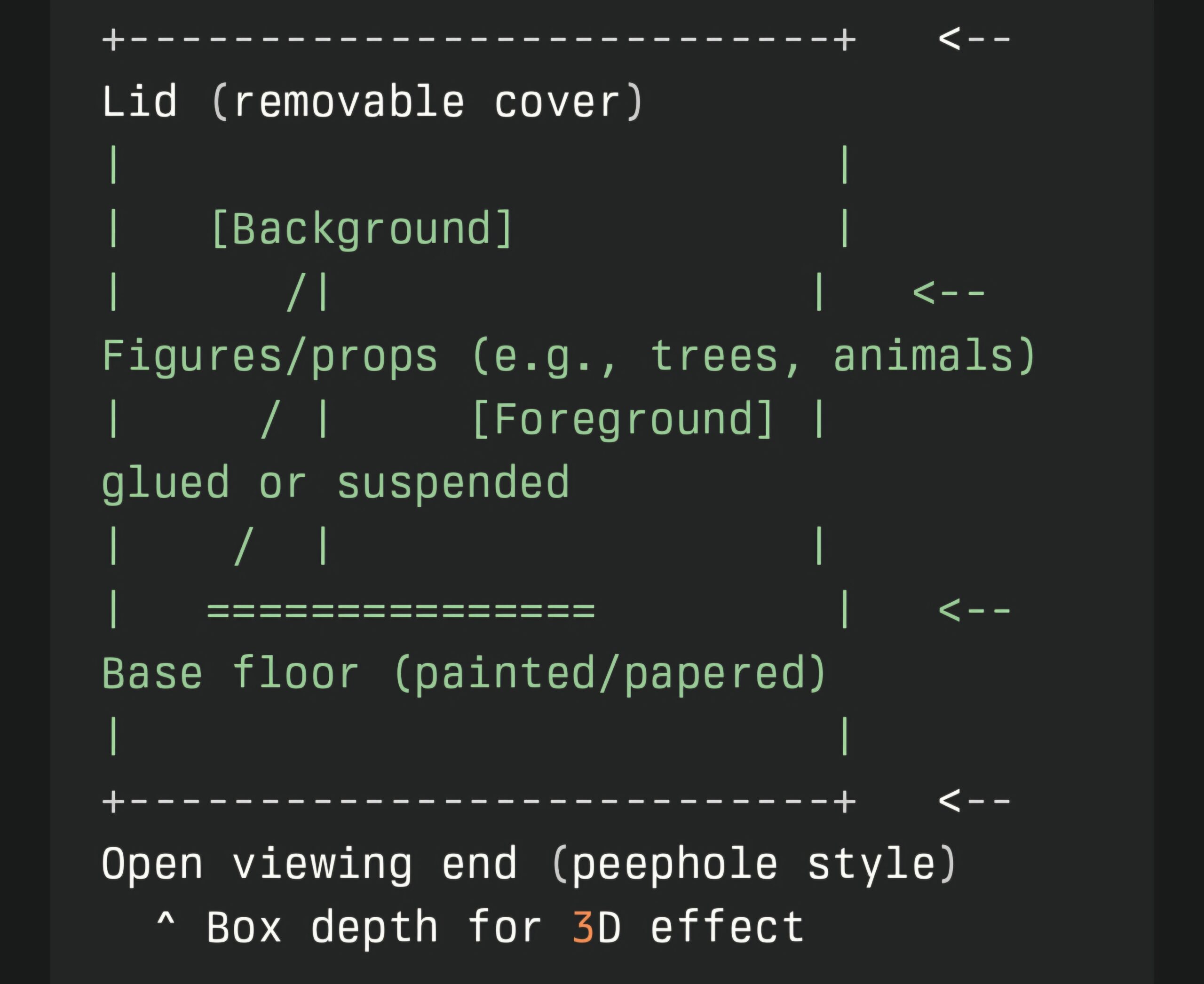
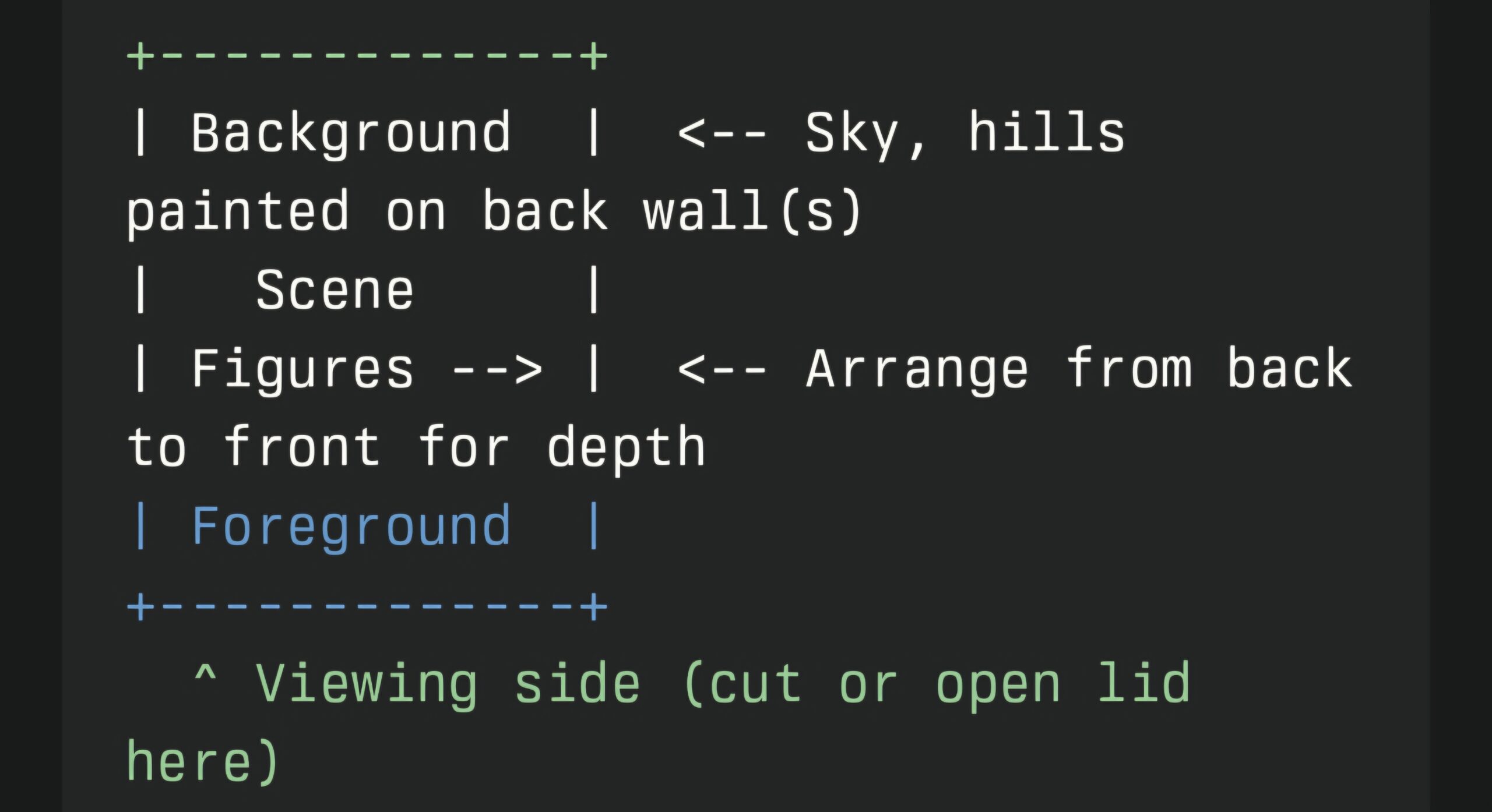
These Tunnel pop ups are all direct ancestors of boxed pop ups and of diorama and carousel/display pop‑ups: multi‑layer scenes arranged in depth, sometimes forming a 360‑degree viewing ring when the book is tied open. You can compare them best with 3D theaters from the 19th century (some books actually are designed like pop up theaters) or like a Peephole Box or Shoe Box Diorama.
Side view layout:
Top view layout
EXAMPLES from:

In this example of a boxed pop up book, the reader still has to open the pop up by pulling a tiny blue ribbon upwards and next folding parts of the background of the theatre which opened, so it stays upright. Still a rather crude technique, but with the help of pull tabs and a sachet in the back, containing characters on sticks, that can be slid through openings in the roof of the theatre, still very attractive for children to play with …
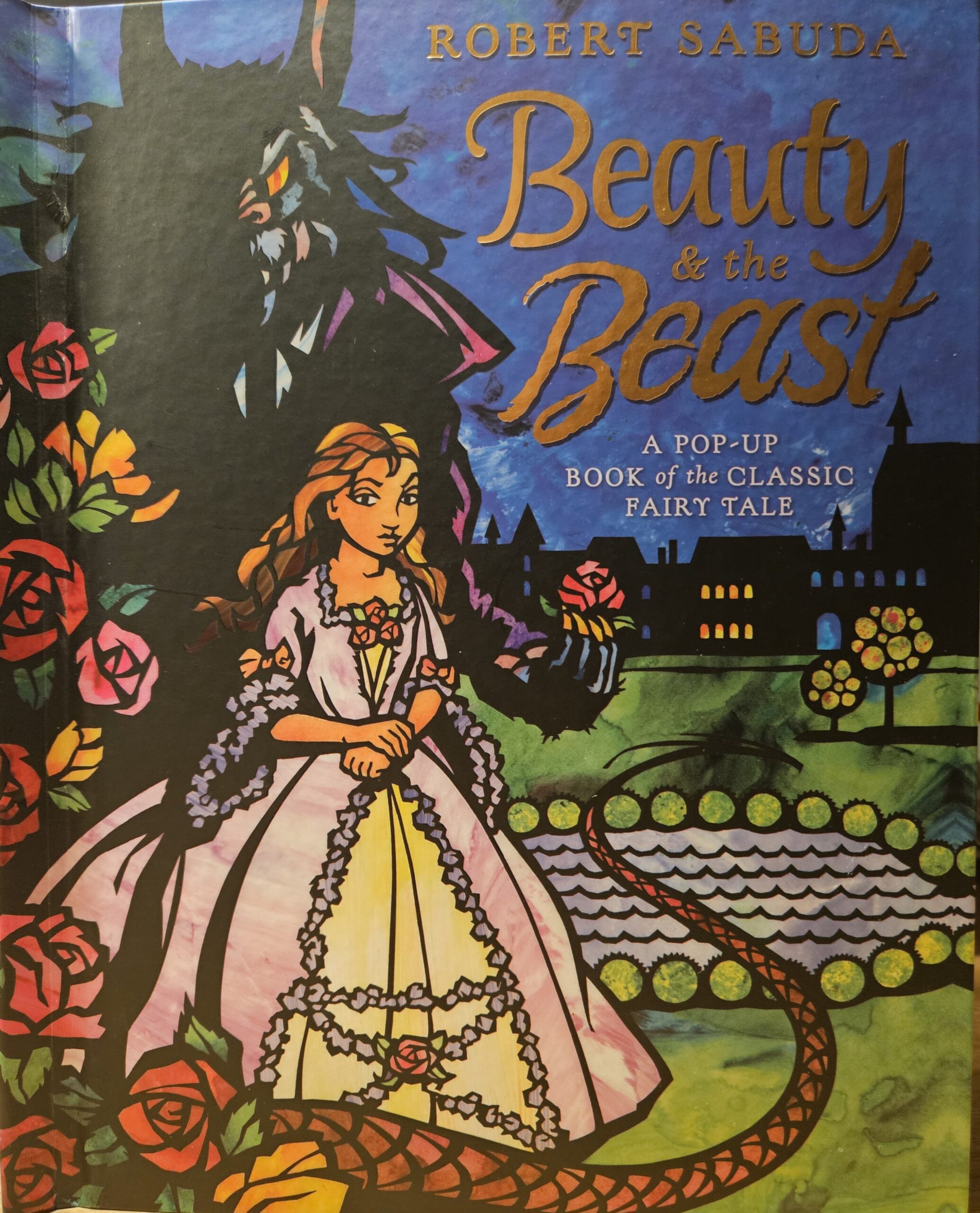
Beneath are a few more examples of boxed pop up books, but these were created later and they pop up, using different techniques, when the page is opened. Notice how different the topics have become, from a Children’s story, via a literature classic to a book about the history of tiaras …
The 3D effects are already quite good for paper engineered products.
Vojtec Kubasta
(I will absolutely tell you more about Vojtec Kubasta, but he is chronologically later then Lothar Meggendorfer, so it has to wait until the next blogpost).
These were not yet the towering sculptures of later pop‑ups, but they proved that you could mass‑produce mechanical illusions with paper, string, and glue.
EXAMPLE from:
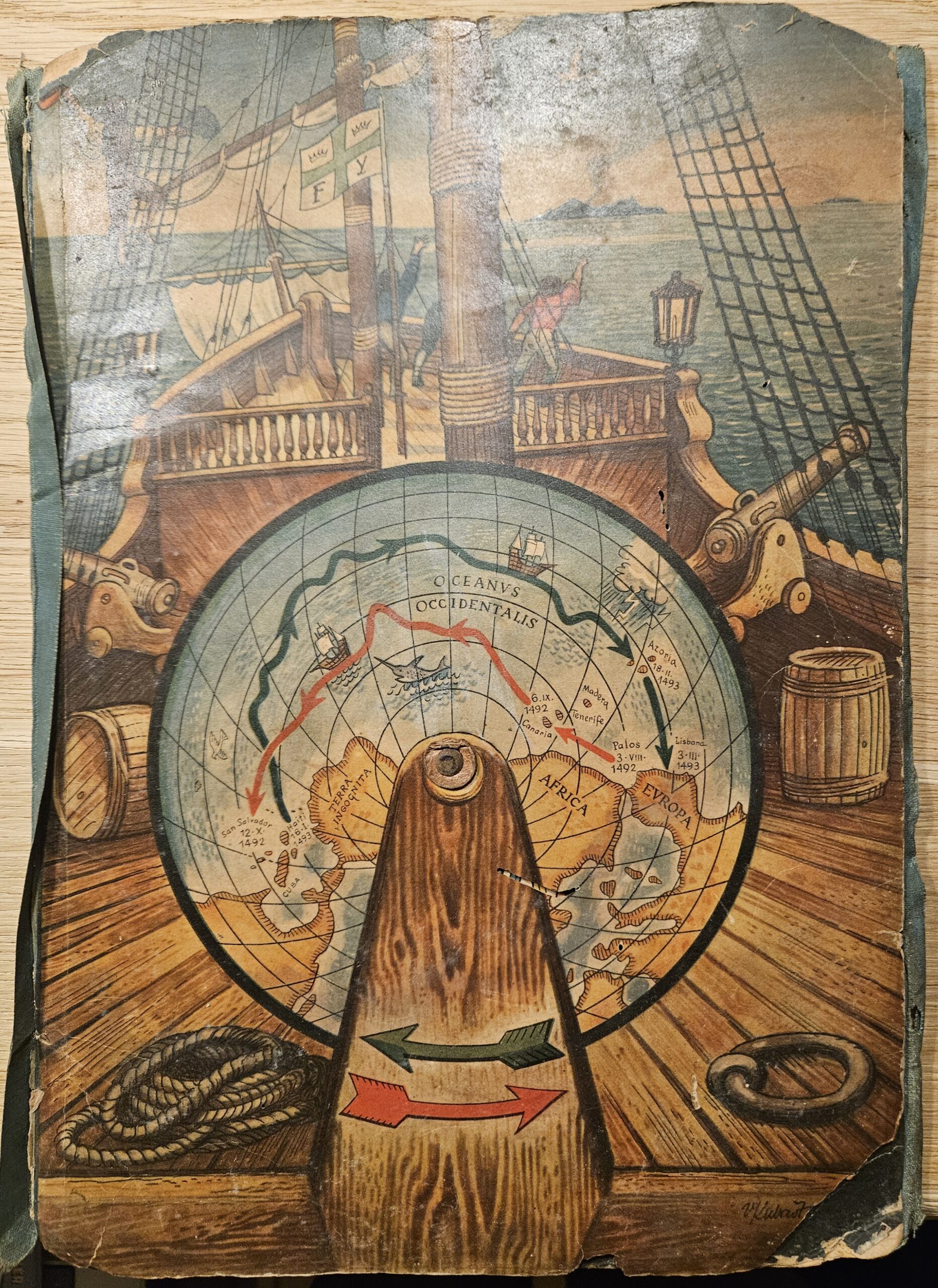
Christopher Columbus by Kubasta (1st edition)
Beneath is an early example of a pop up showing the Santa Maria and a few other ships from the fleet of Christopher Columbus at the moment where they lay anchor for the coast of America, created by Vojtec Kubasta. Just a bit of rope and cleverly designed pop ups create a 3D pop up.
In a way, they were the first widely distributed “paper gadgets” for children.
Lothar Meggendorfer
Lothar Meggendorfer (1847-1925) was a Bavarian illustrator and paper engineer who began as a caricaturist for Fliegende Blätter magazine before turning to children’s books in the 1870s. Despite limited formal training, his mechanical ingenuity shone through self-taught experiments with levers and strings, producing dozens of interactive titles amid personal hardships like World War I.
Meggendorfer pioneered movable book mechanics with pull-tabs, slats, and dissolving scenes in masterpieces like Eine Kinderbühne (1889), earning acclaim as the “greatest paper engineer” and setting standards for durability that outlasted rivals. His innovations spurred the 19th-century pop-up boom, influencing Dean‘s Rag Books and modern designers by proving complex animations could delight children reliably.
On the continent, Lothar Meggendorfer took the art form from clever to outrageous.
As shown in my previous blogpost, Meggendorfer cleverly used a pull tab technique to change an image.
See for an example of that:
This was not a pop up construction, but it was definitely an interactive element which made the flat two dimensional illustrations and even the harlequinades that were images that changed after a piece of paper was folded over an other piece, seem dull. But Meggendorfer went much further in his development of interactive books and ultimately achieved creating pop up books.
His German movable books in the late 19th century featured intricately linked levers so that one pull‑tab might simultaneously make a mustache twitch, a hand wave, a hat tip, and a dog wag its tail—sometimes in different directions.
EXAMPLES from:
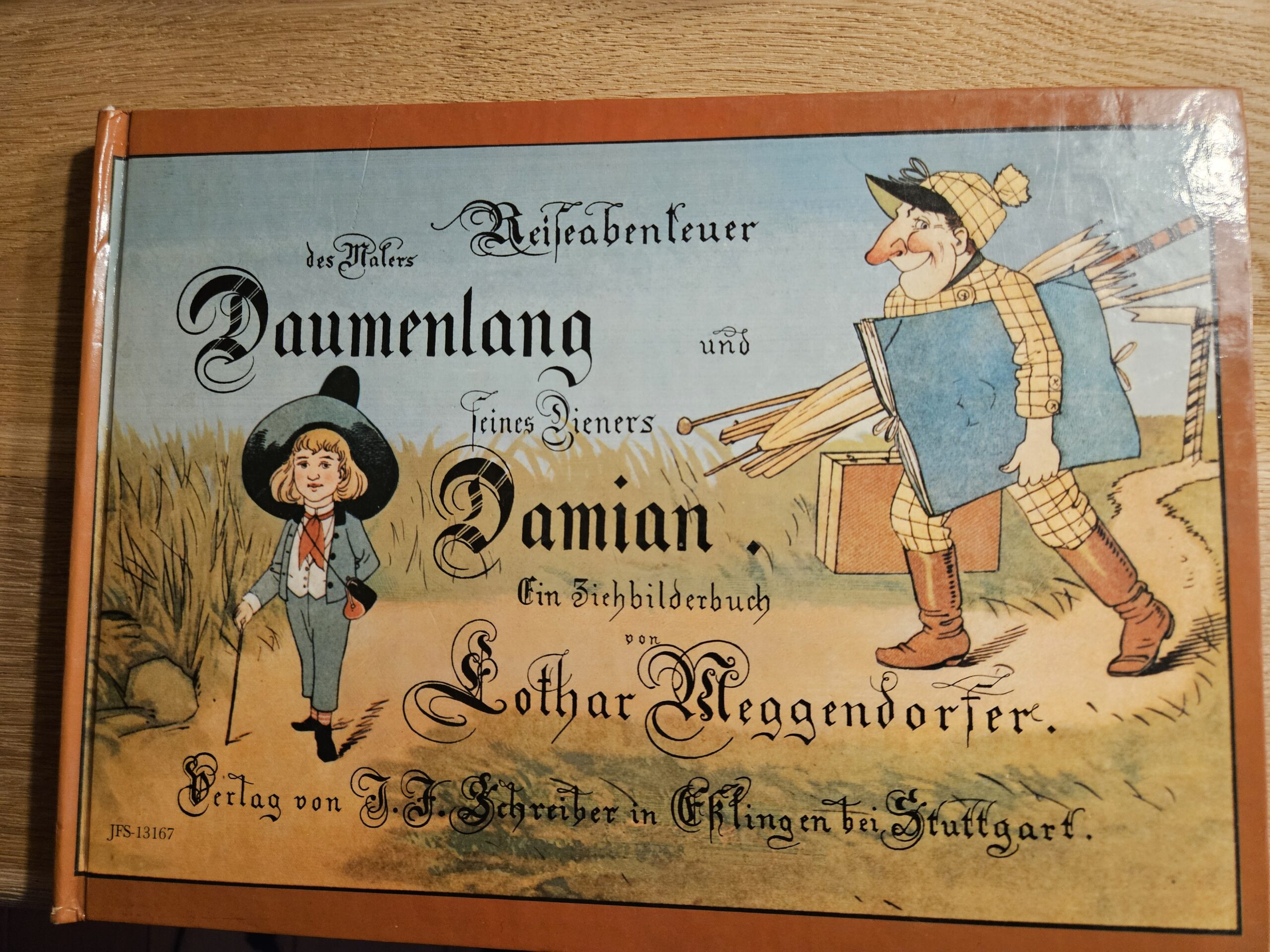
He hid the mechanisms between layers of card (as shown in the example below), so the magic appeared effortless, and reviewers marveled at how many expressions a single page could wear.
EXAMPLE from:
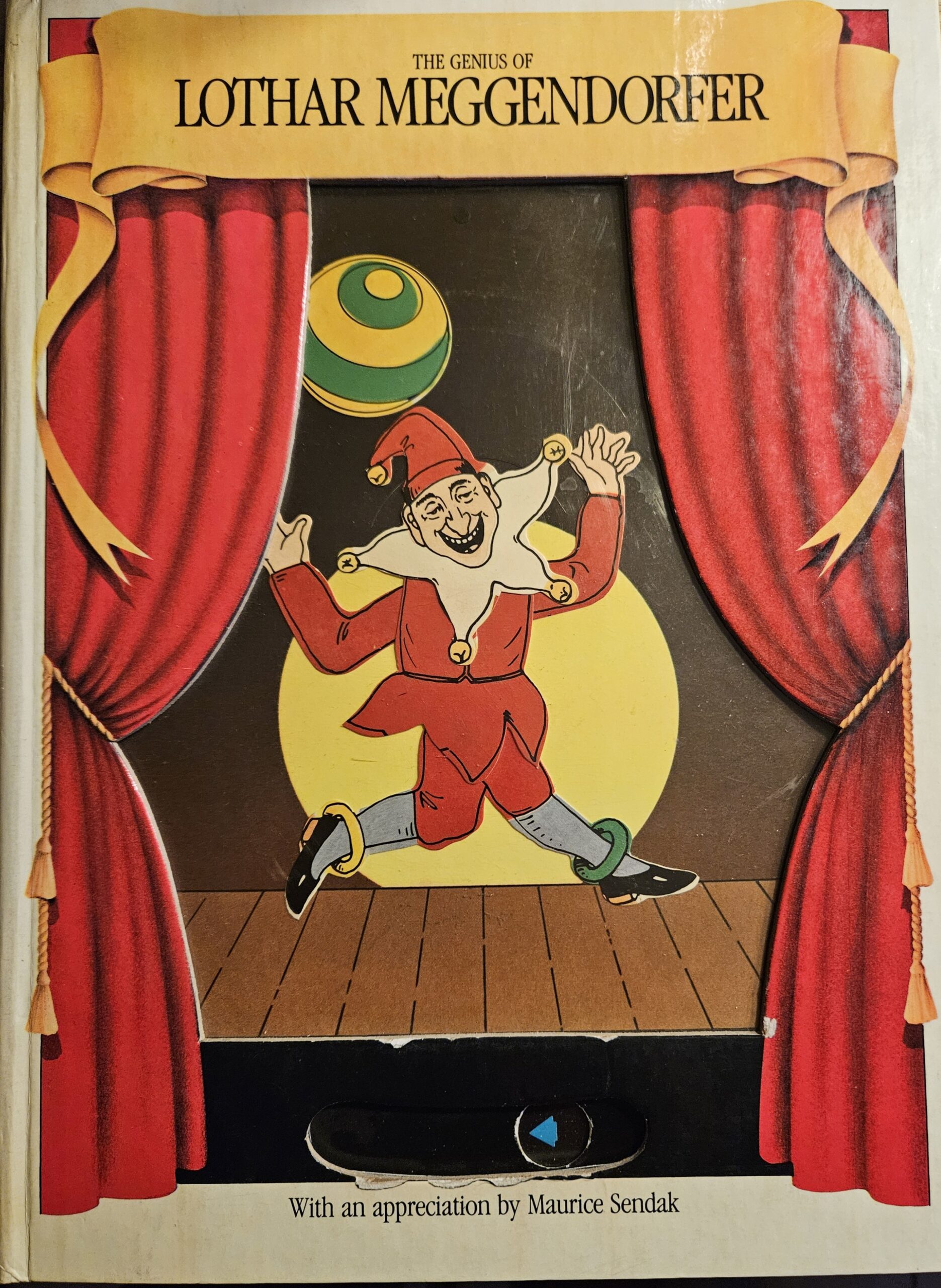
The book above is not an actual Meggendorfer publication but a compilation album of some of his work ranging from about 1860 to 1890).
Meggendorfer’s humor—goofy faces, slapstick mishaps, crowded scenes—made the engineering feel light, but mechanically his constructions were astonishingly efficient and economical.
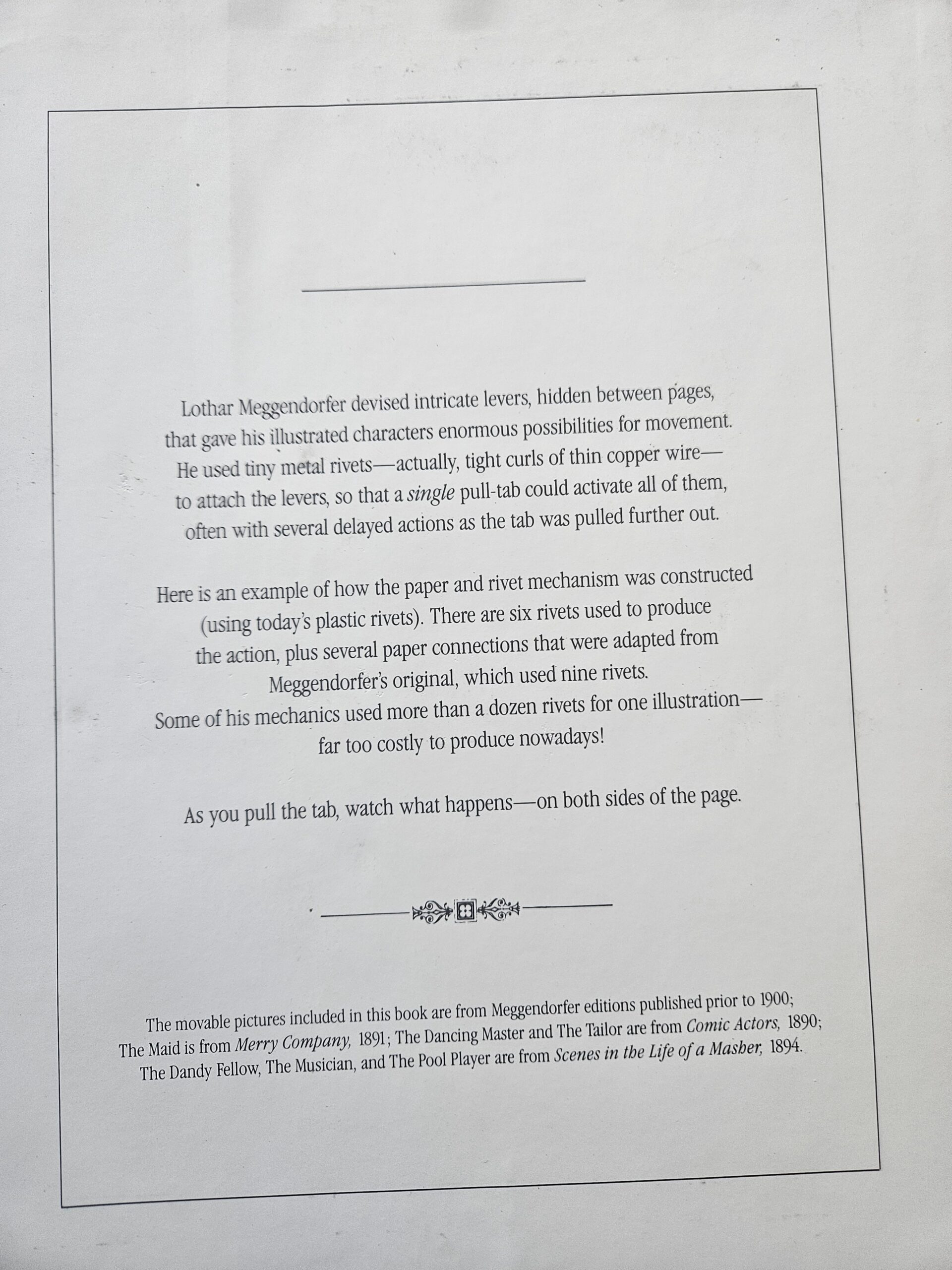
The high cost of these old Meggendorfer mechanics in later centuries, caused these many faceted mechanics to be replaced by very much simpler 1 dimensional mechanics in 60’s, 70’s and modern pop up books.
He not only used pull tabs, but in this rare example a wheel was used to make the clown throw the ball …
EXAMPLE from:
Meggendorfer’s pages were essentially Victorian machine rooms disguised as humorous scenes.
His work represents the peak of lever‑driven animated spreads—less about things rising into 3D and more about coordinated, multi‑point movement on a basically flat stage.
He demonstrated that interactive books could be sophisticated pieces of engineering, not just cuts and flaps thrown together for a quick gag, and nearly every later paper engineer studies his work at some point, even if only through reproductions.
But next he evolved his art first into 3D-ish diorama-like work in The City Park, …
EXAMPLE from:
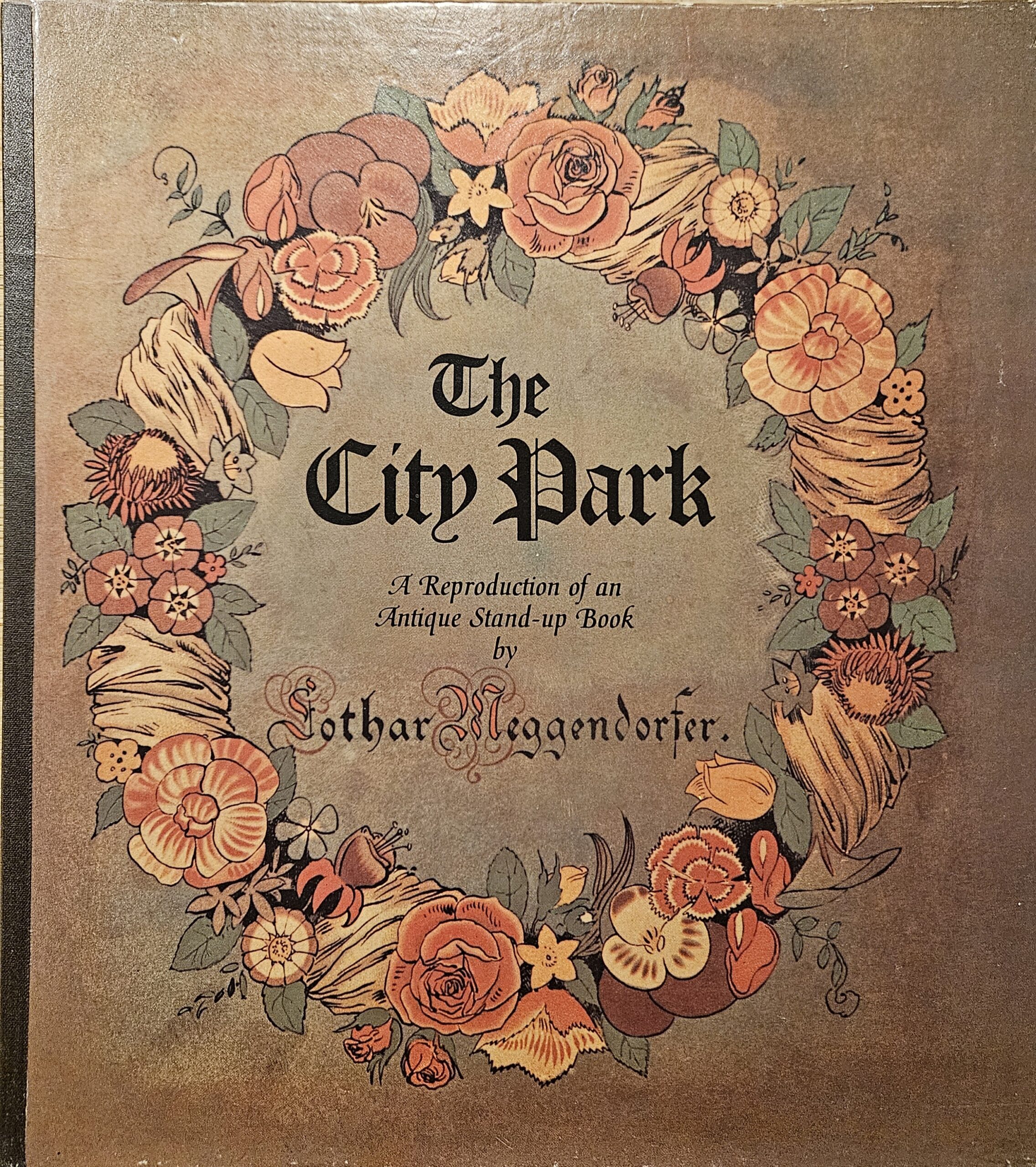
This is still not considered a pop up book, however he did manage a 3D diorama which is actually a shape it yourself version of a boxed pop up book. It is possible to change the setup of the unfolded book and to walk around (thus the diorama) and see changing 3D views of people either relaxing, entertaining or working within a city park.
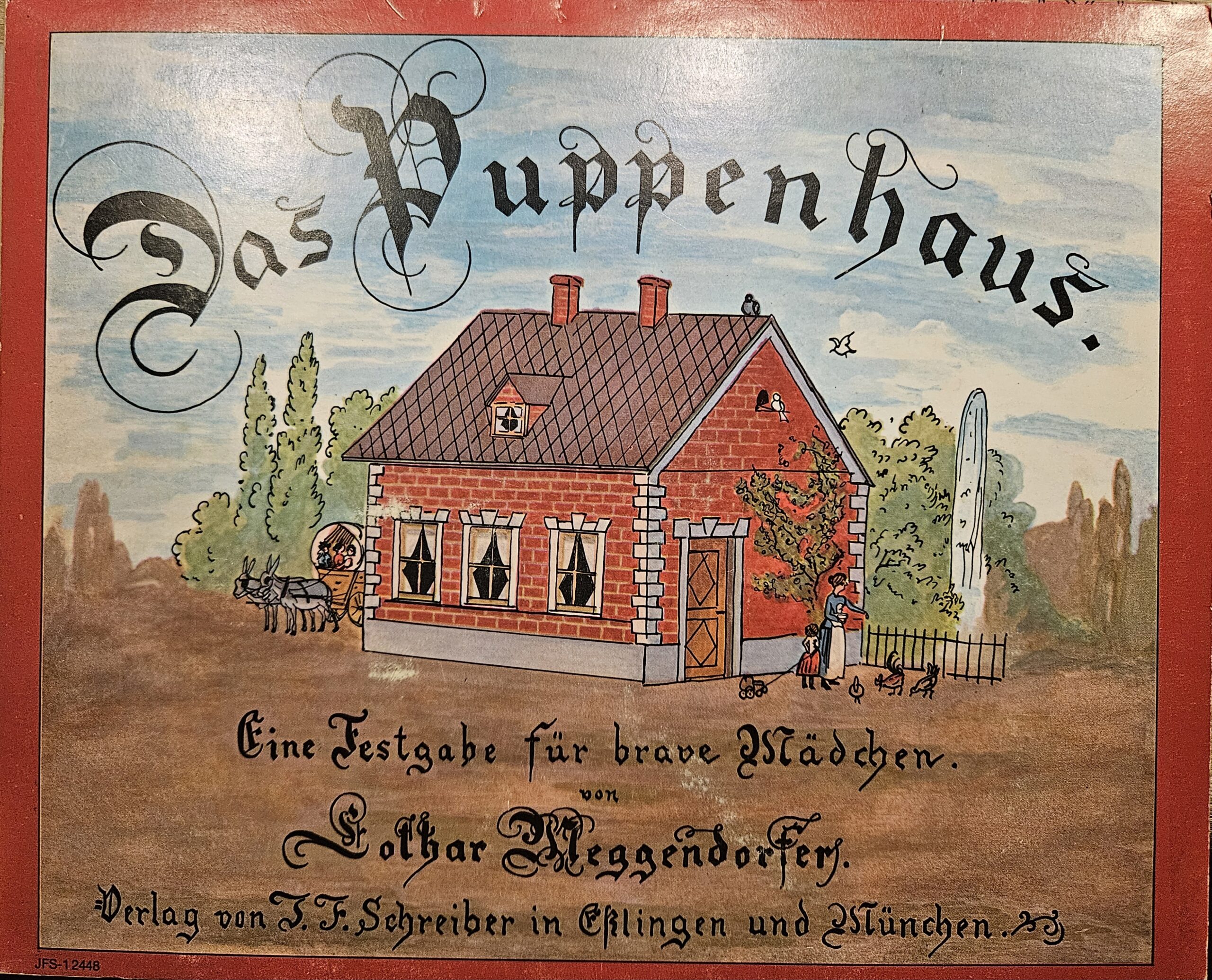
… then what can be seen as his first attempt of a pop up book with Das Puppenhaus. Opening some of the pages of the book reveal his first pop ups. They pop from the pages while the page is being opened. Nothing spectacular yet as is seen in late 20th and 21th century pop up books, but (although he was not the first creator of pop up(s) books, he was the first author who made them popular. His idea to create a 3D doll house from paper in which girls could play and imagine how life would be, was brilliant. I’ve called this type of pop up book a display pop up book, belonging to the wider family of display, carrousel and diorama pop up books about which I will write and show you more in an upcoming blogpost …
EXAMPLE from:
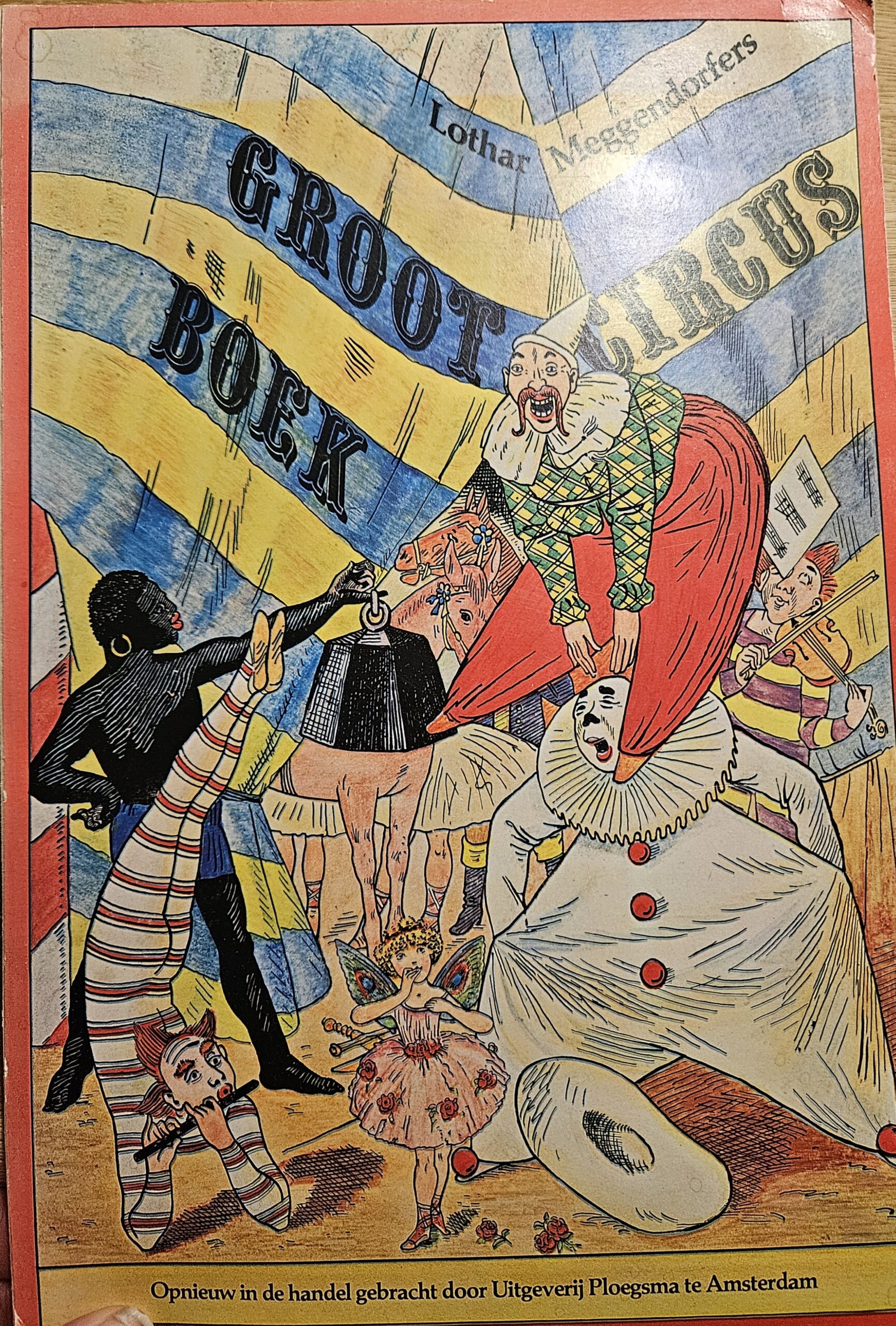
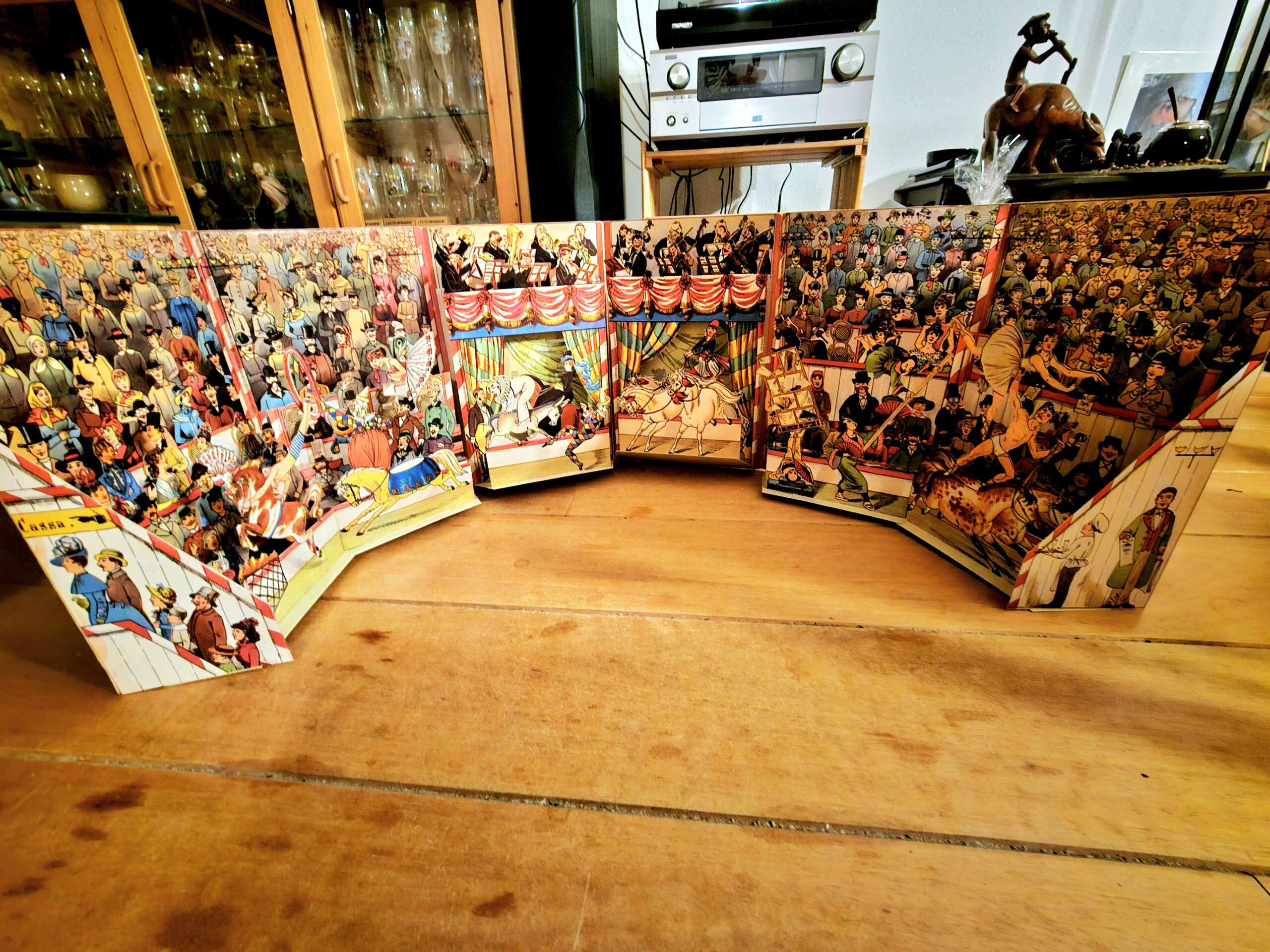
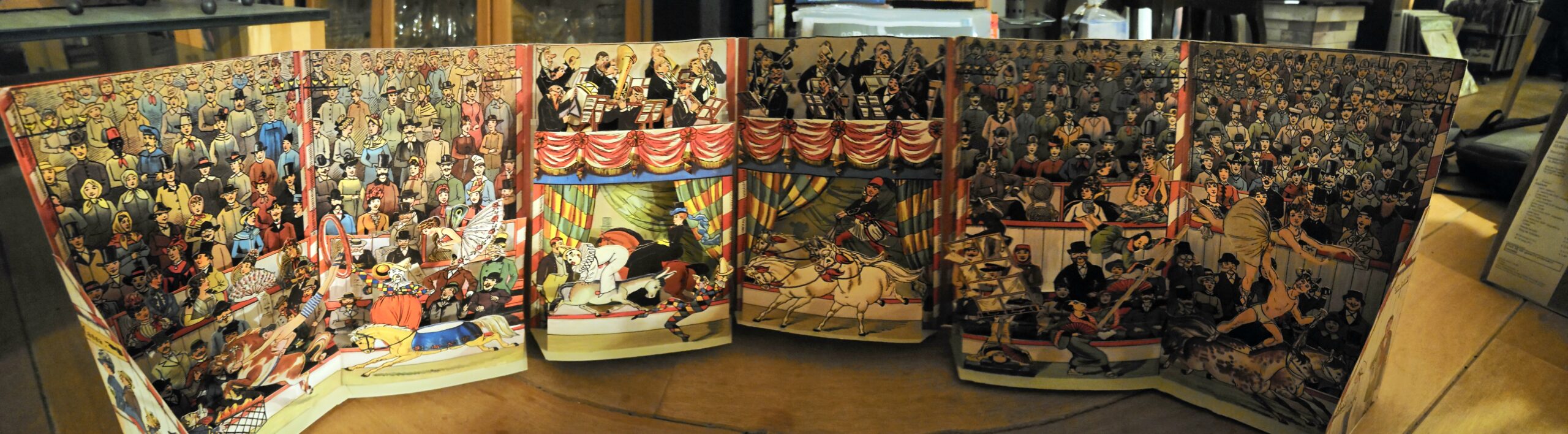
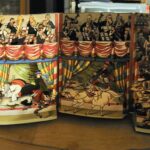
…and finally his Opus Magnum: The Circus. In this pop up book he really showed his craftmenship, creating for those days rather spectacular multi layered pop ups of the interior of a circus tent during a show. The details in the drawings are amazing by the way …
EXAMPLE from:
Lothar Meggendorfer, who is called The Father of Pop Up Books, is actually NOT the 1st creator of Pop Up Books or Pop ups, but he was most certainly the author that popularized the Pop Up book, which until then was only a niche kind of product. His importance can’t be overstated.

In my next upcoming blogpost, I’ll dive deeper into the further development of the pop up book as we proceed into the 20th century …