
An illustrated history of Interactive books Part 9: Board games containing interactive books, by The Booknook Librarian (20th-21st century)
When Boardgames Meet Pop-Up Books: A New Frontier of Paper Engineering
Throughout this illustrated history series, we’ve journeyed from medieval volvelles created by monks to the spectacular pop-up extravaganzas of Robert Sabuda and Matthew Reinhart. We’ve explored pull-tabs, dioramas, and the art of paper engineering in its purest form. But what happens when the world of interactive books collides with the world of board games? The result is a fascinating hybrid genre that deserves its own deep dive.
Board games containing interactive books represent one of the most exciting developments in the 20th and 21st-century. These games use books not just as score keeping tools or rule references—they make the book itself the game board, the storytelling engine, and sometimes the most spectacular visual centerpiece of the entire experience.
A Brief History: From Adventure Books to Pop-Up Board games
The lineage of board games with interactive books traces back through several distinct threads:
- The first is the choose-your-own-adventure book tradition of the 1970s and 1980s, where readers made choices that determined the narrative path.
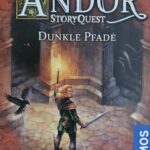
An example of how these books worked (although this one is in the form of a set of about 100 cards instead of a book) is Andor storytell. The pages/cards tell the story and somewhere while reading, the reader makes a decision, like:
- turn left,
- turn right,
- enter the center gate,
- ask someone a question,
- etcetera.
This decision triggers a move from that page/card to another one which is not strictly the next one. This happens over and over again thus, depending on the reader’s decisions, making every run through the book/stack of cards a new unique adventure …
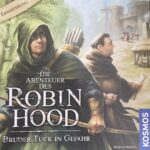
… Examples of these are Andor StoryQuest: Dark trails, Robin Hood and Animals of Baker street. (All of these examples are from the 21th century, but the idea behind them is from the 1970’s).
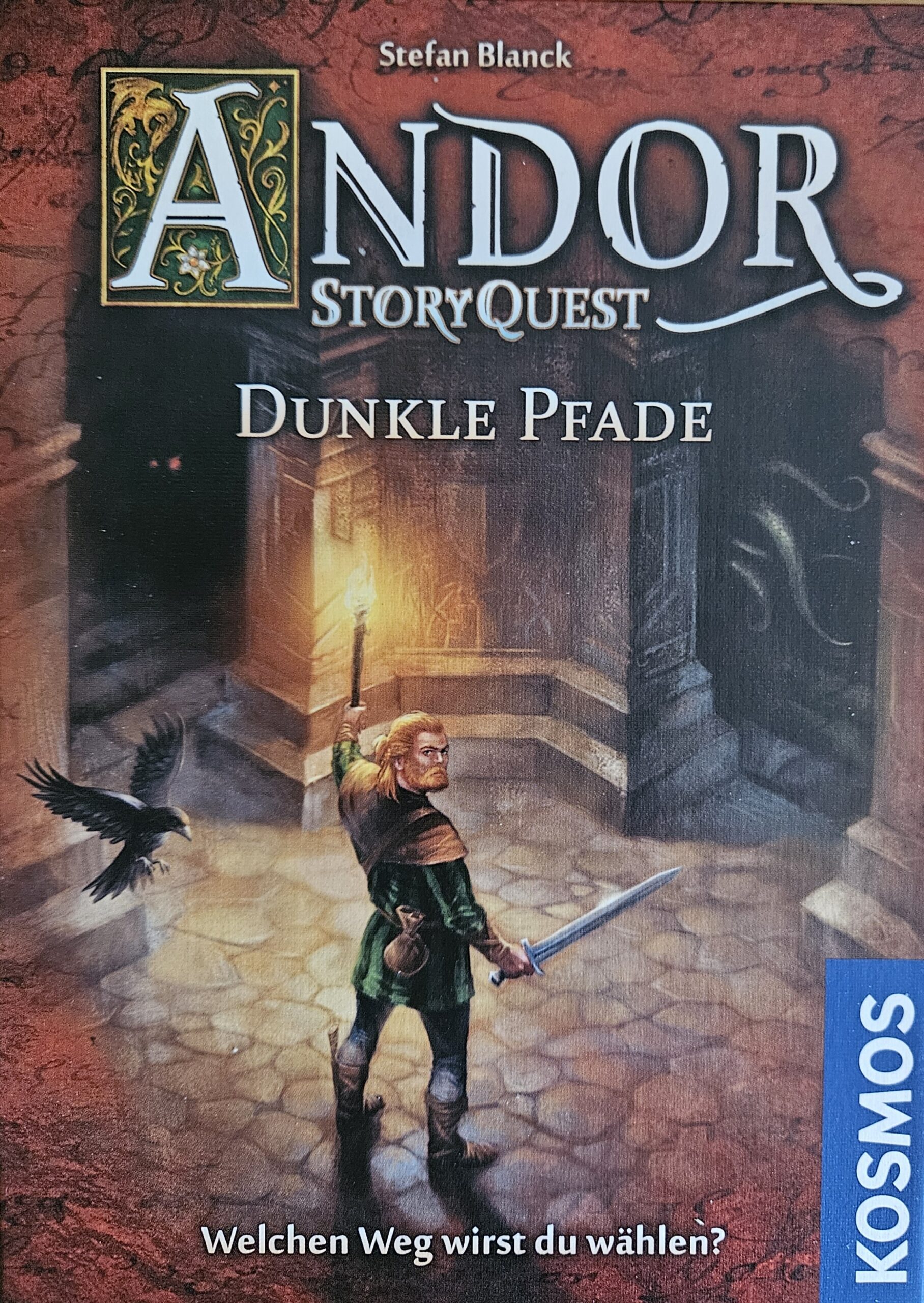
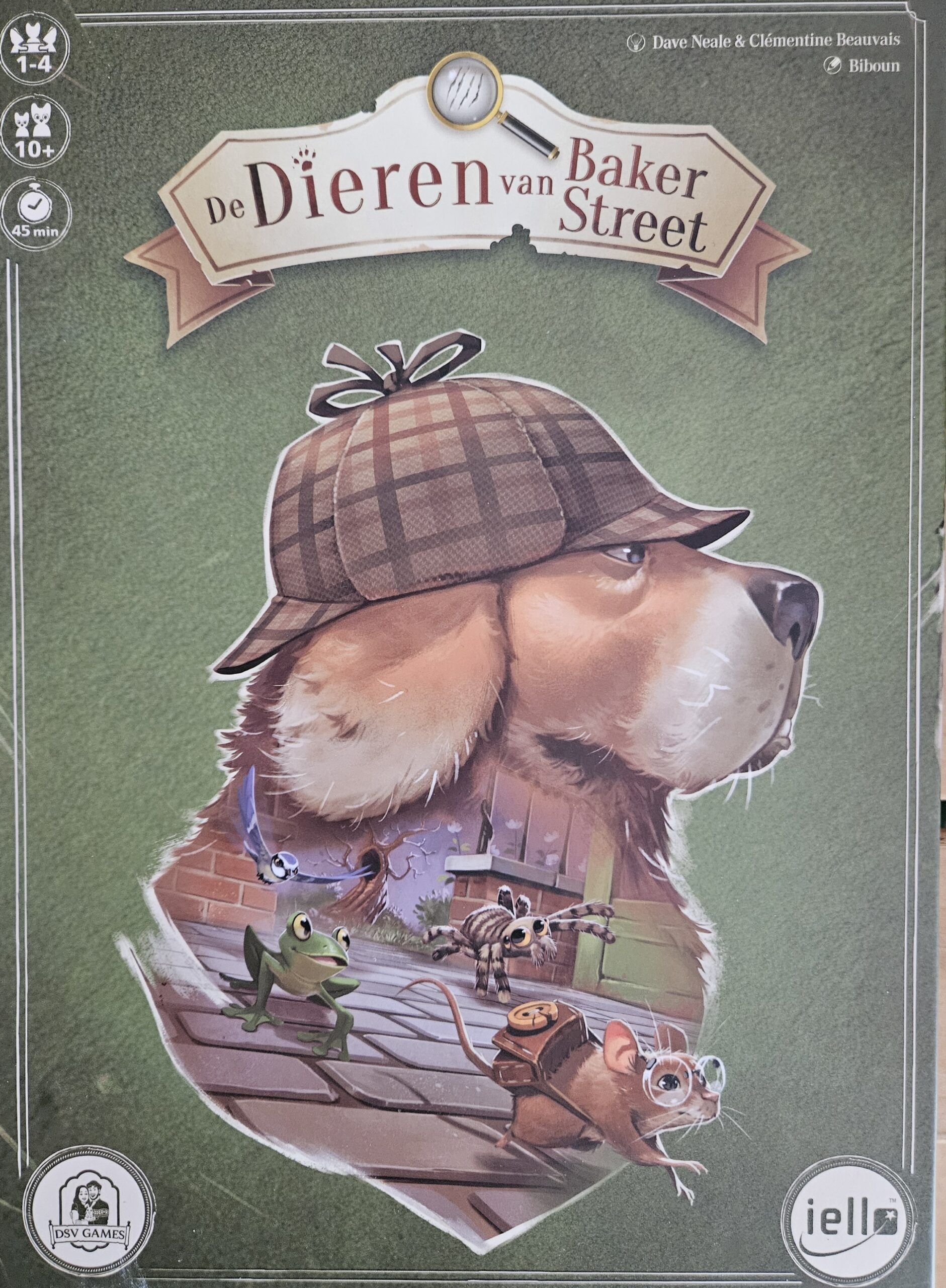
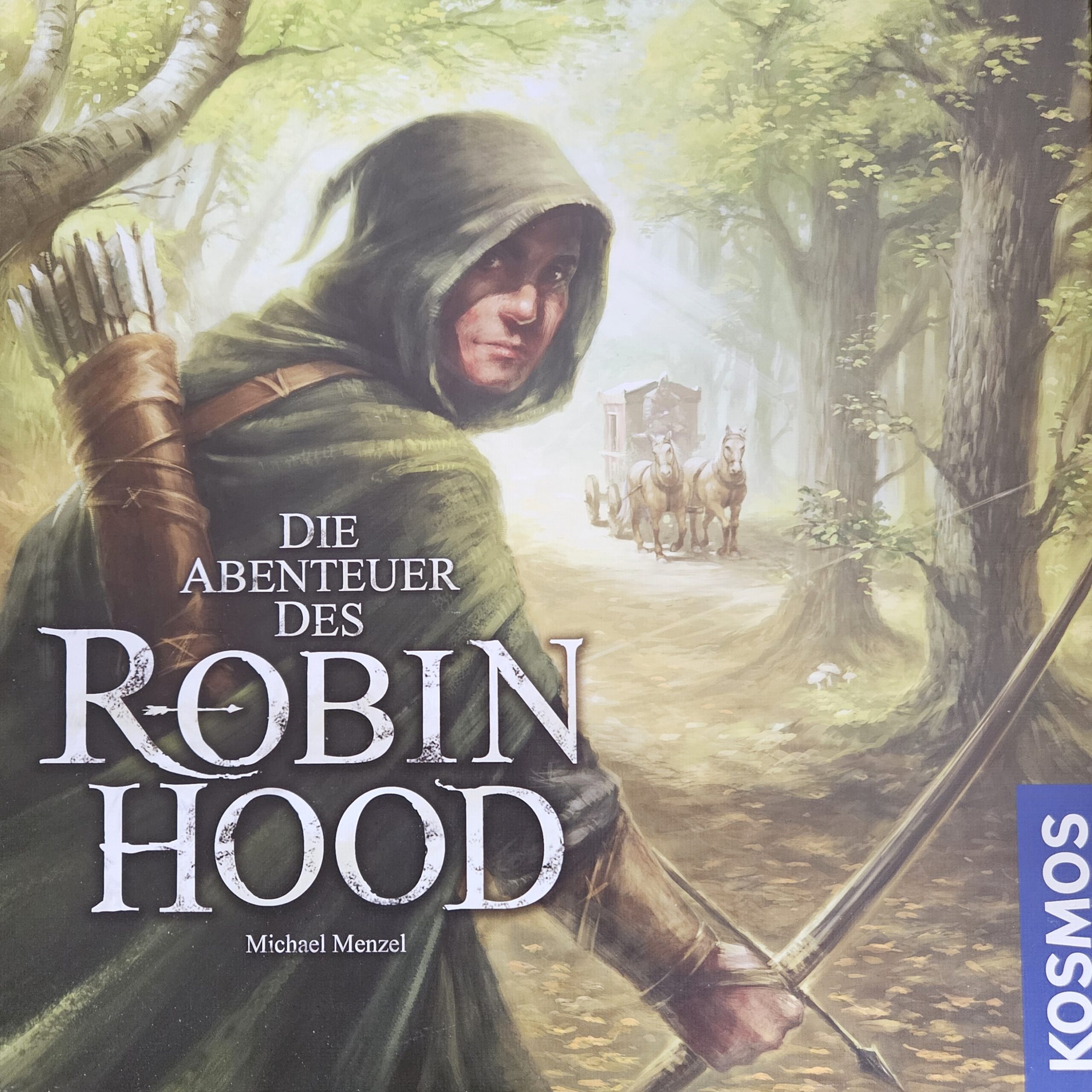
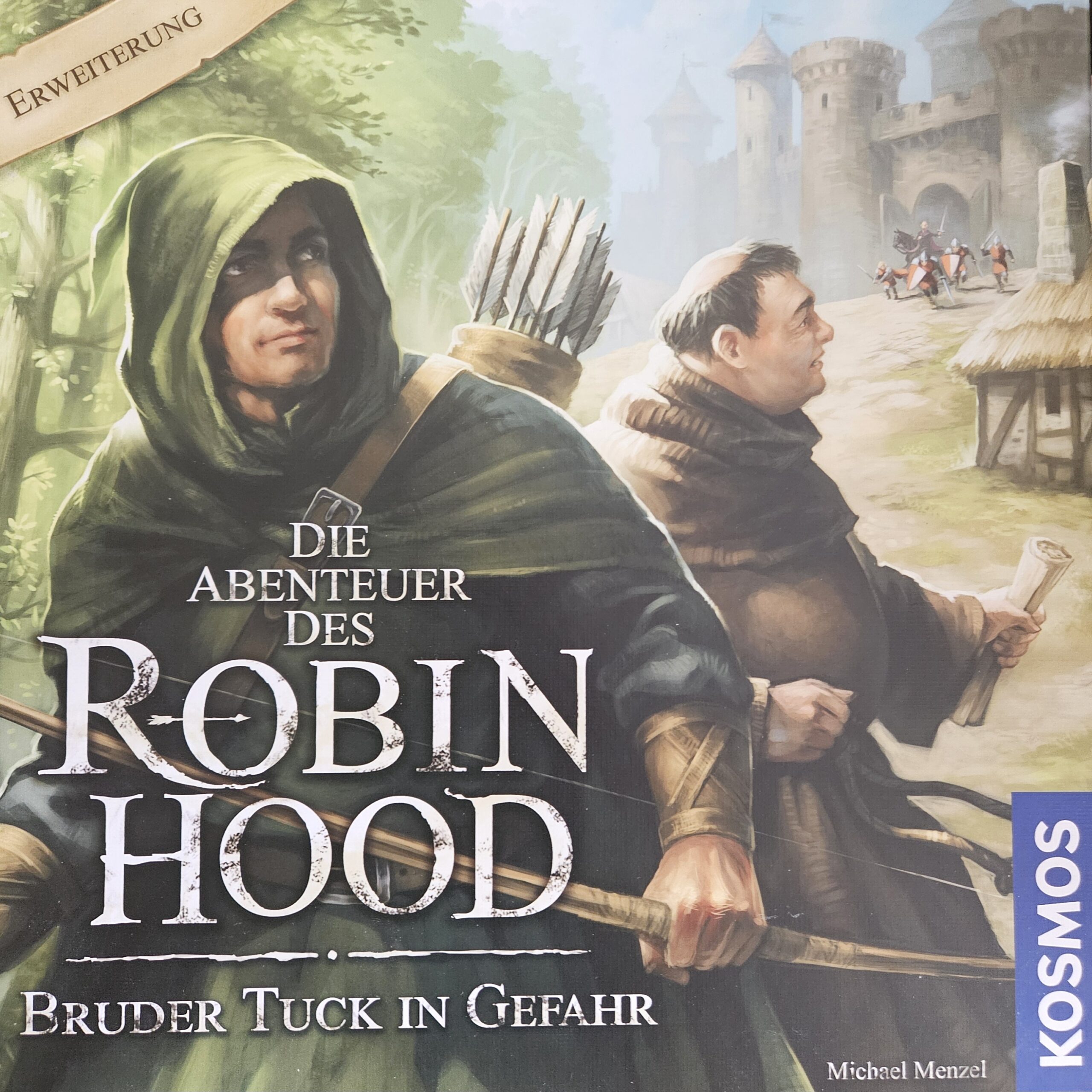


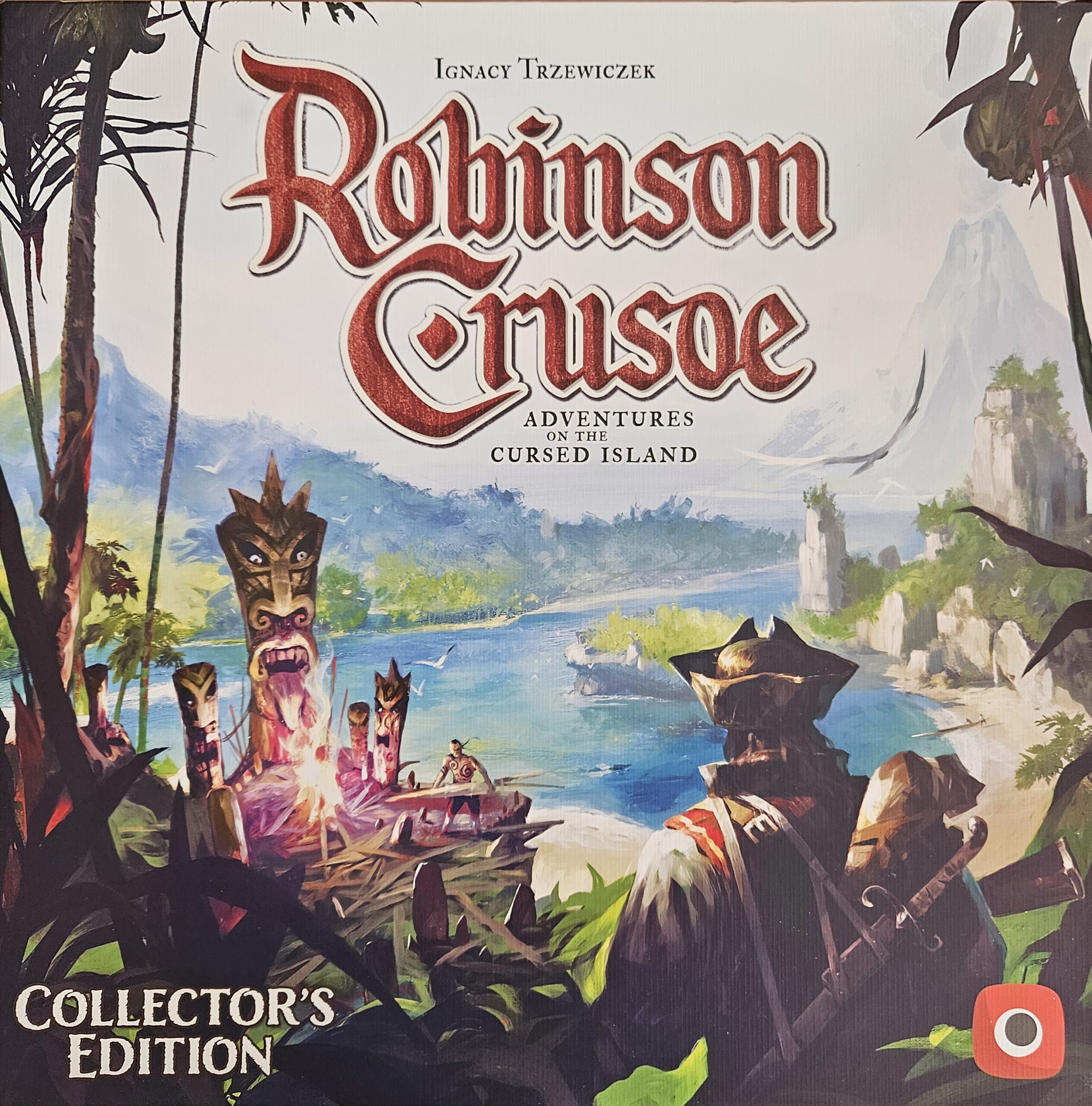
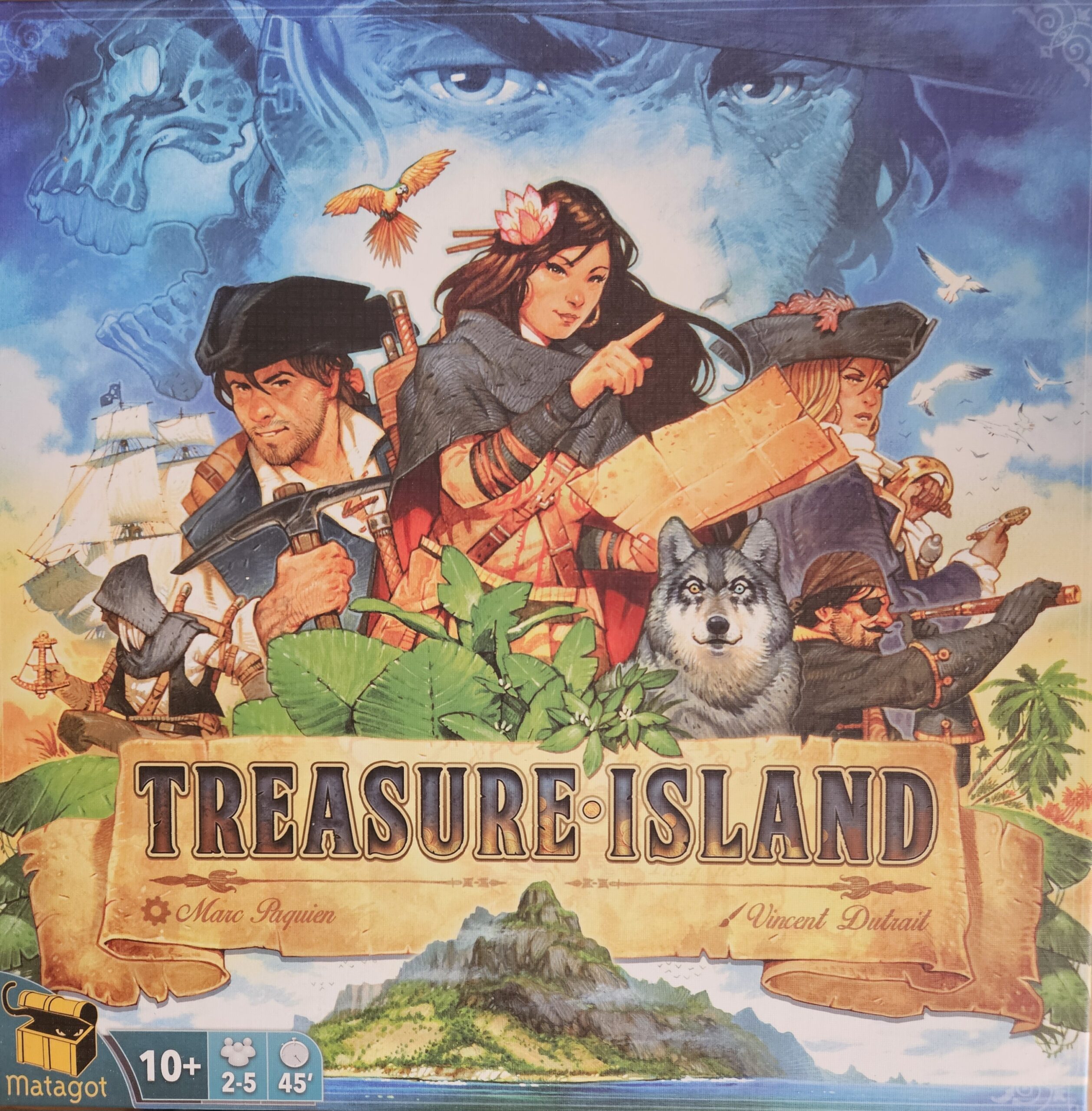
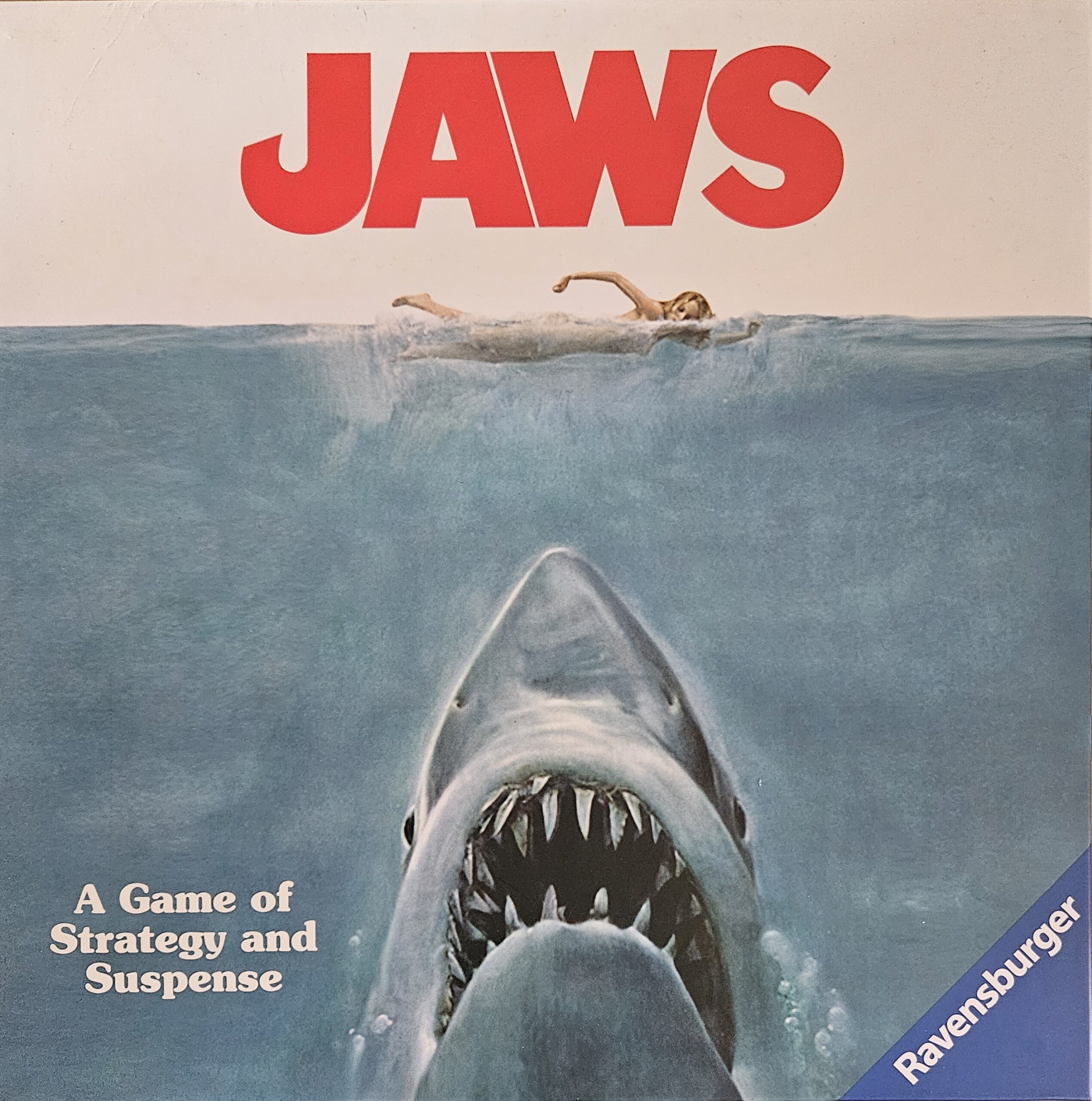
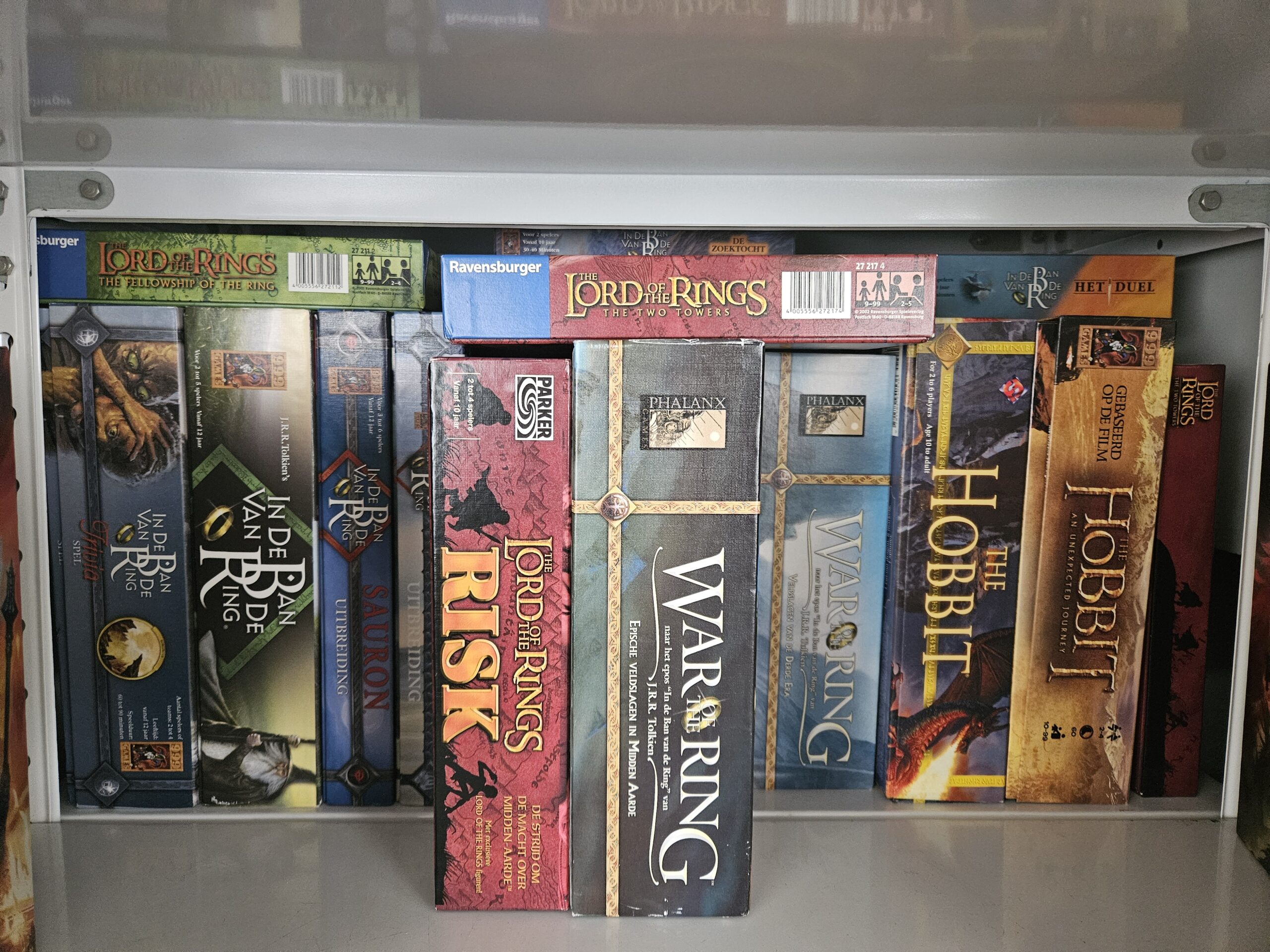
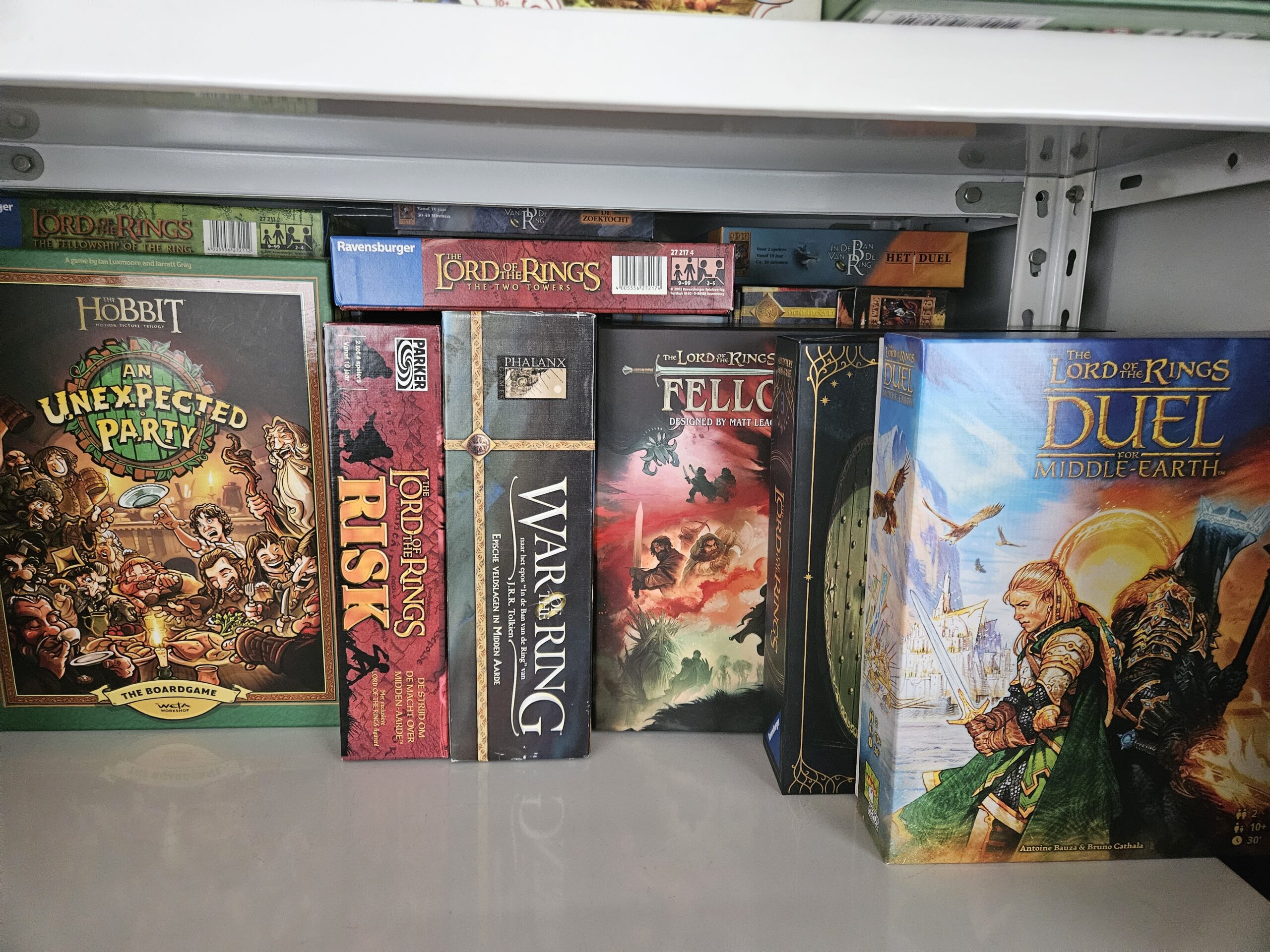
- The second thread is the legacy (from novels, movies and comic books) board game movement, which emerged prominently around 2015 with games like Pandemic Legacy, introducing permanent changes to game components based on player decisions. So the book or movie serves as an inspiration for the board game. Some other examples of this are: Lord of the Rings and The Hobbit based games, Thorgal, Treasure island, Jaws and Robinson Crusoe. (As a true collector of everything Tolkien related I own a quite substantial collection of The Lord of the Rings and The Hobbit related board games and two of the pictures beneath show my cupboard where I stacked those).
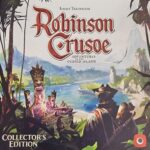
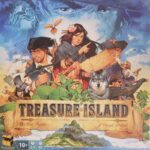
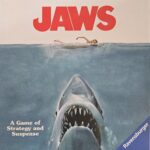
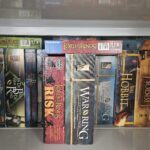
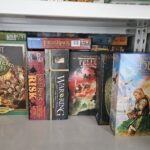
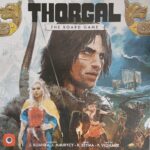
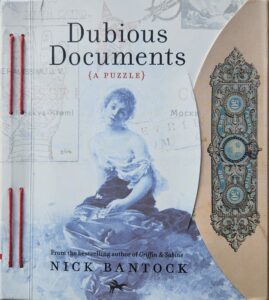
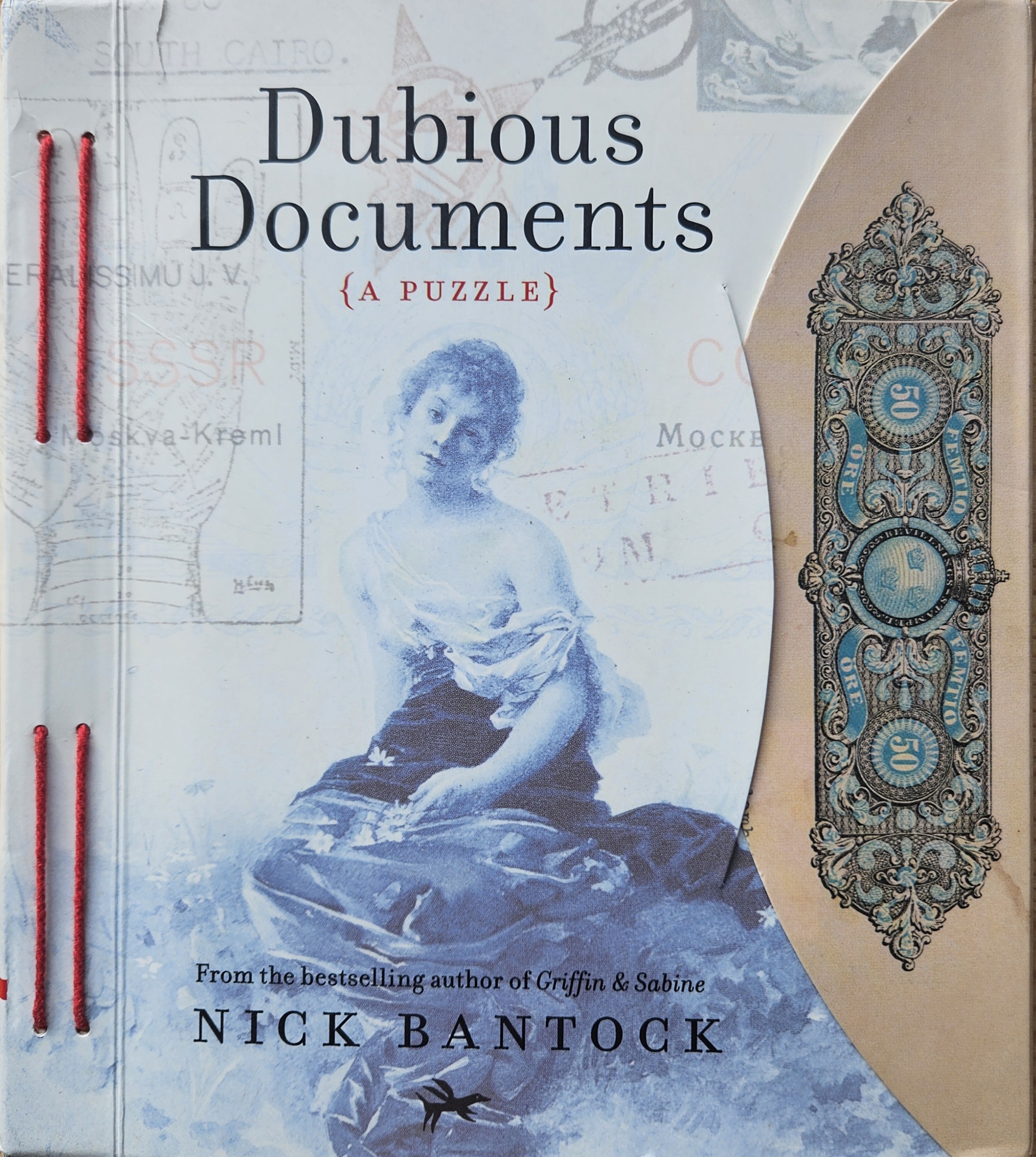
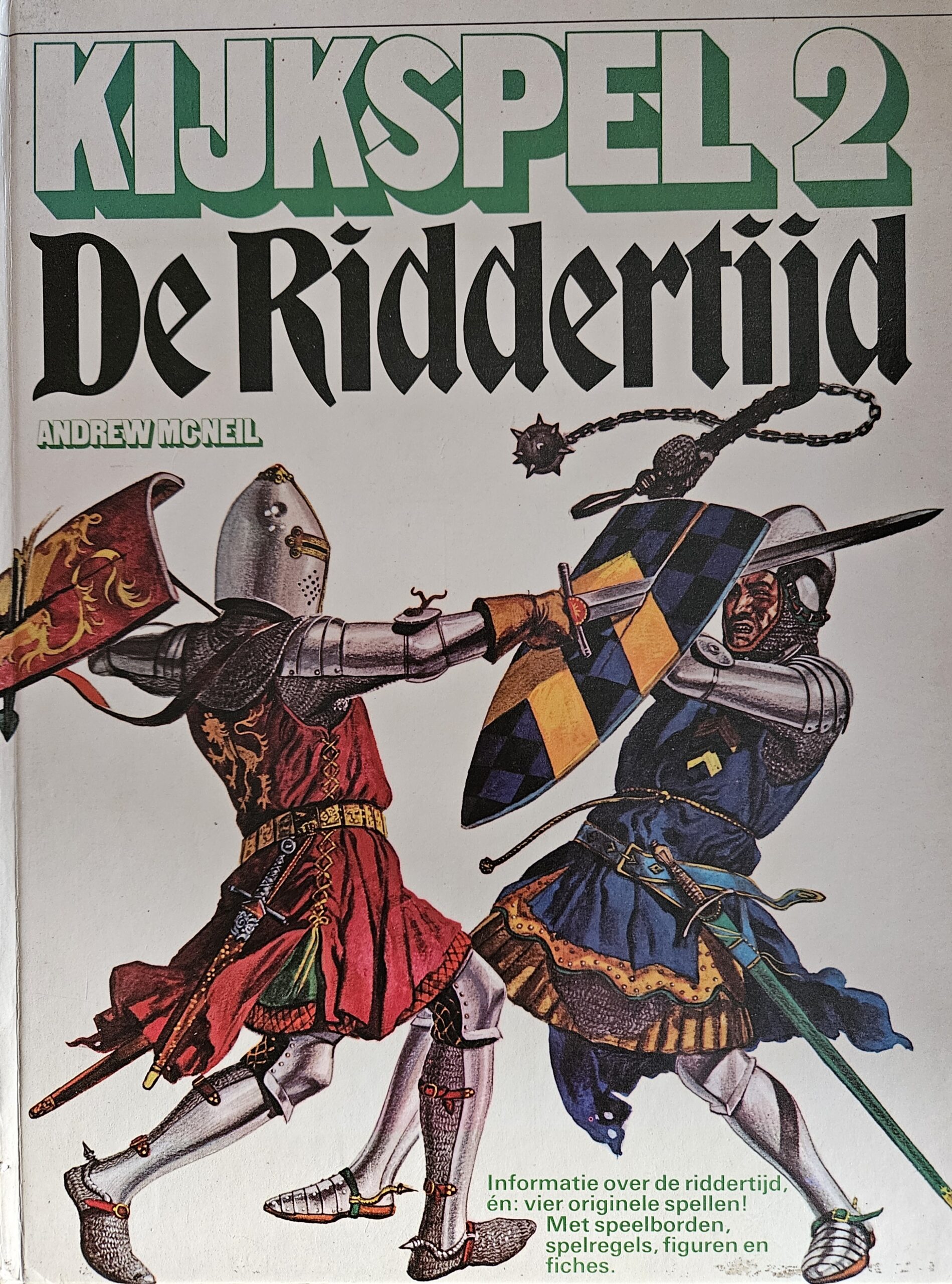
- The third is also a thread that started in the 70’s and it is the most basic one considering the topic. Interactive or pop up books in relation to board games. In this thread we see the actual development of complete boards or puzzles that are printed on the pages of books, making them interactive. Examples of these are: Kijkspel, Thorgal, Sleeping Gods and Meadow expansion: adventure book. (I have to mention a different group of interactive books here too: Puzzle books. I won’t delve deep into the books containing Crosswords, Sudokus, Rebuses or Mysteries, but the ingenuity of these types of books is expanding quickly and some remarkable examples of those are the letter book containing a riddle to solve, like e.g. Dubious Documents (previously described in issue 5 of this blog post series)…
and the murder mysteries and escape room hypes that also found theire way into gaming, like e.g.:
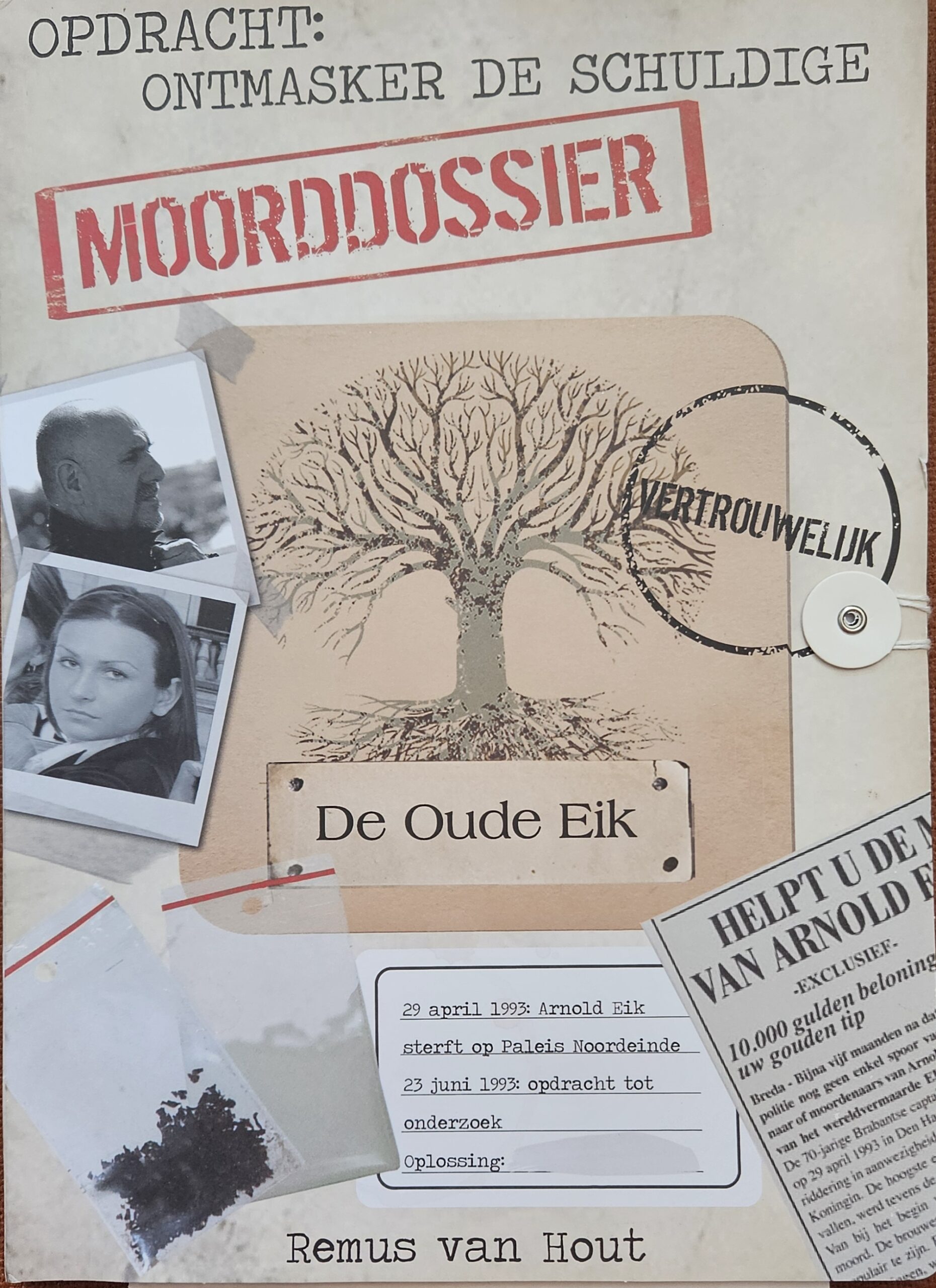
This is almost like a realistic murder dossier, with all sorts of documents, reports, photographs, evidence, news paper articles and much more. Solve the crime by reading, analyzing, deducting and concluding…
and the quite new Murdokus and Murdles…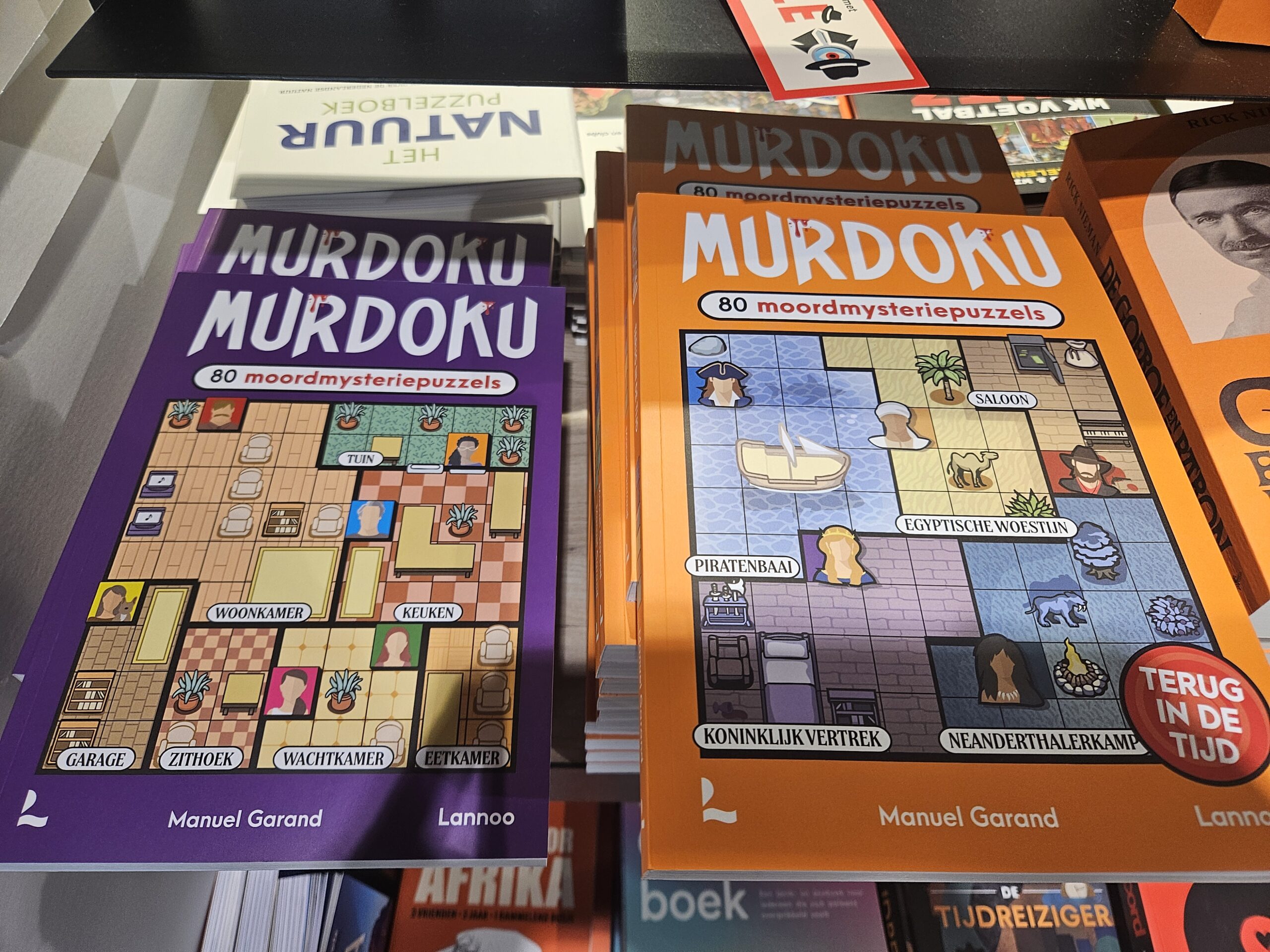 …, of which Murdokus are a variant of the Sudoku and Murdles are more like a variant on Cluedo, both requiring the reader to solve a murder.

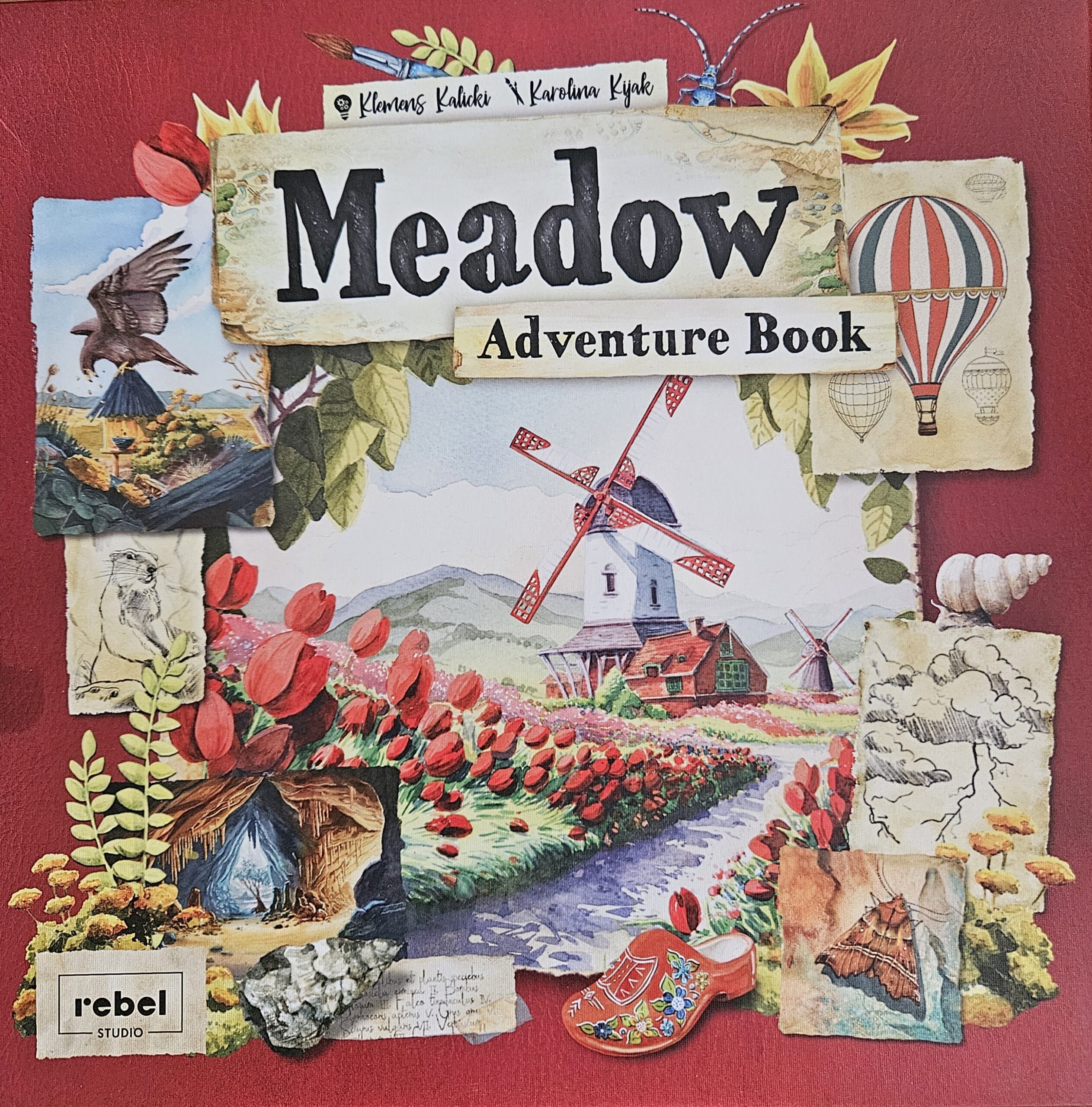
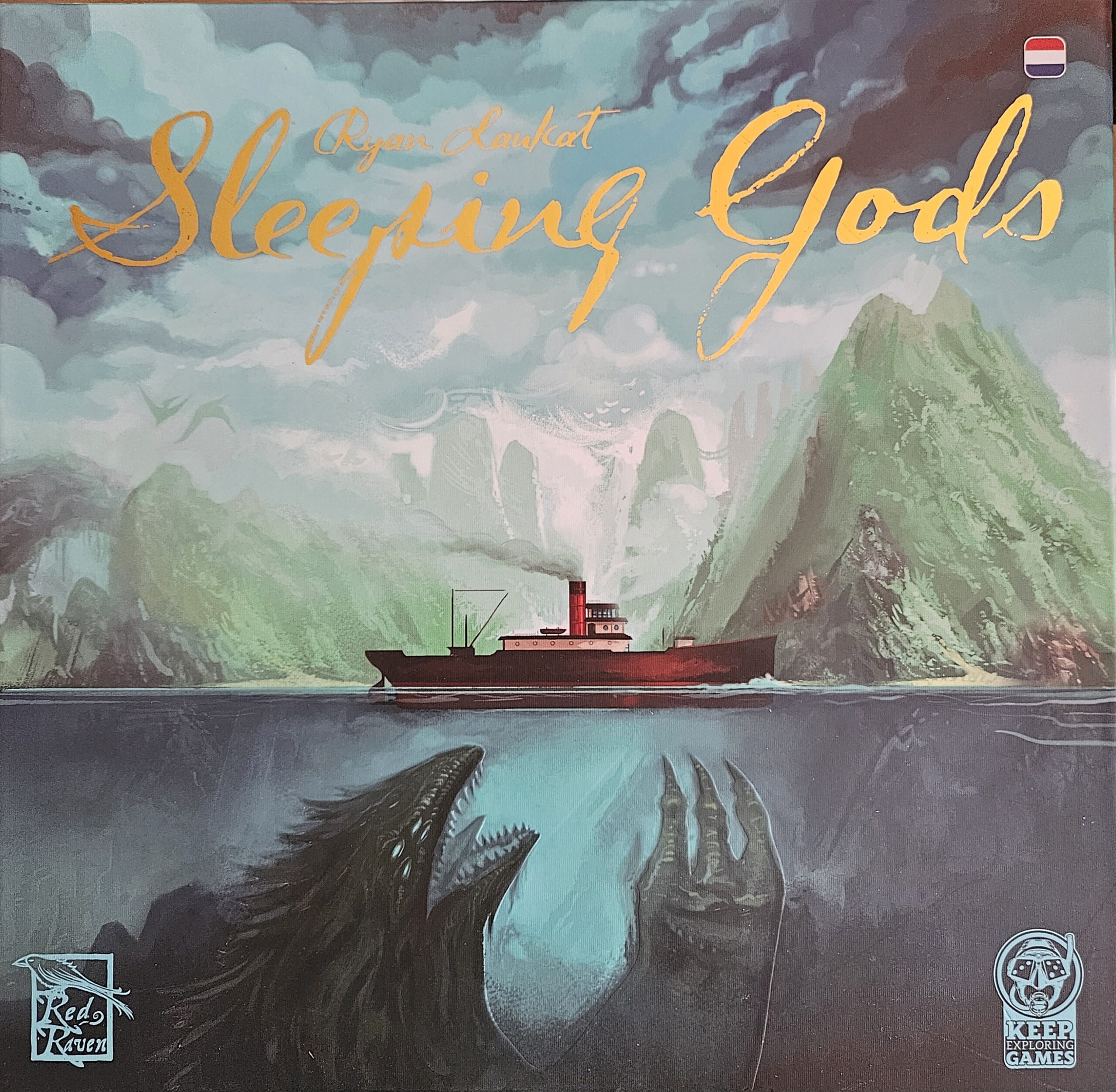

- The fourth is a development where not legacy legends are translated into board games, but new stories are invented and they become legacies of their own. Books derive from these new stories. Although books are related to these board games, they are not really interactive, except maybe because little mini board game expansions were added, but for me that does not count them in).
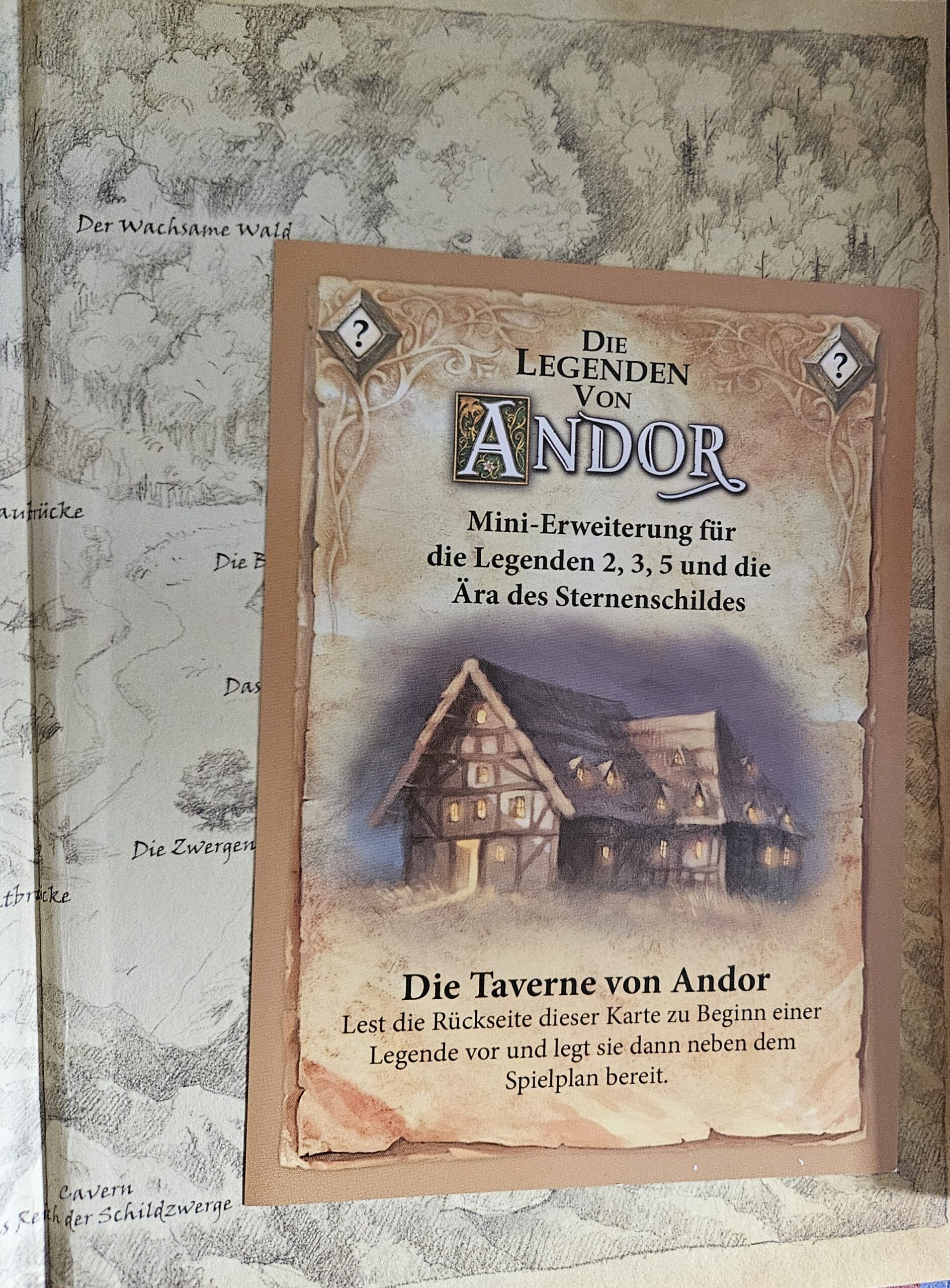
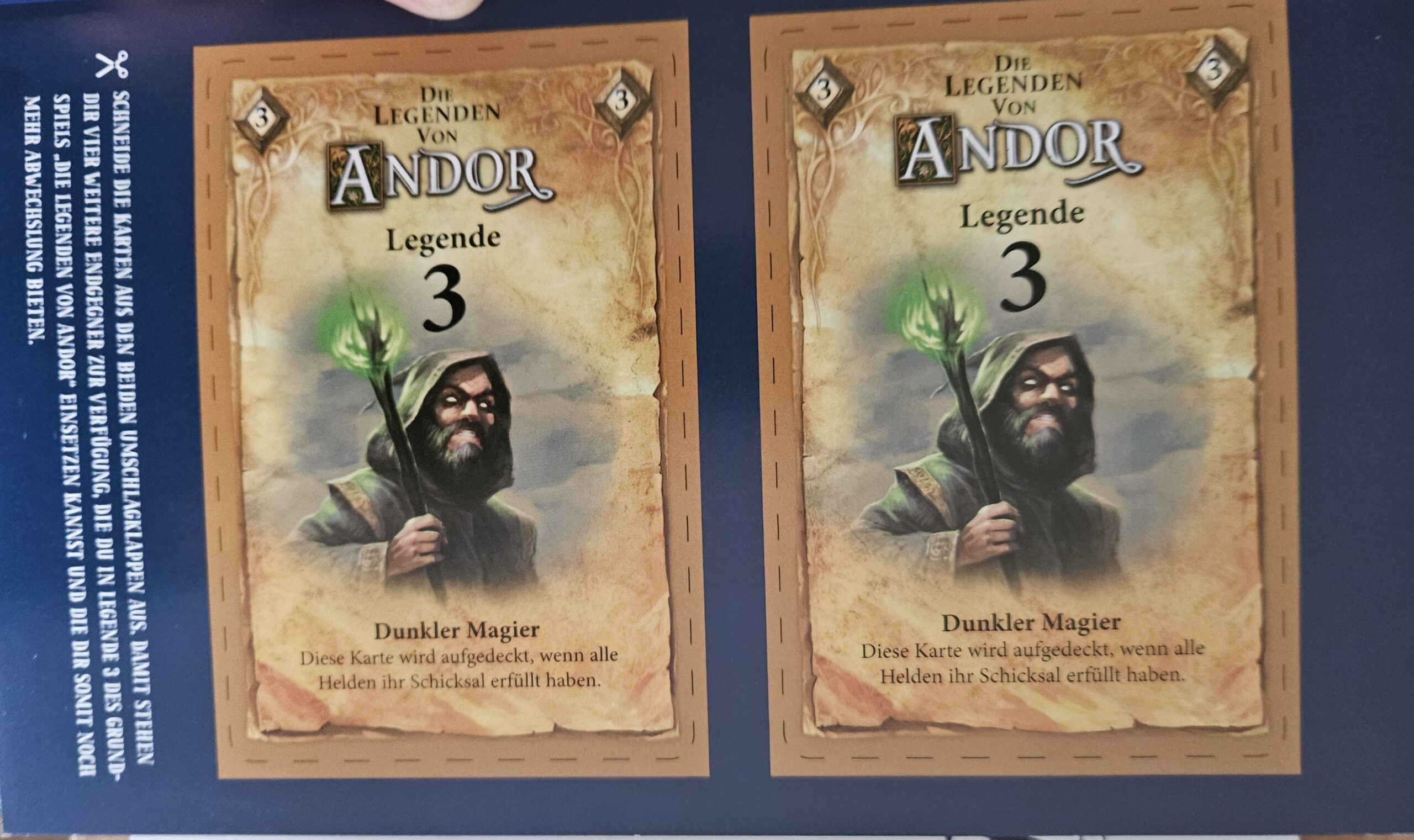
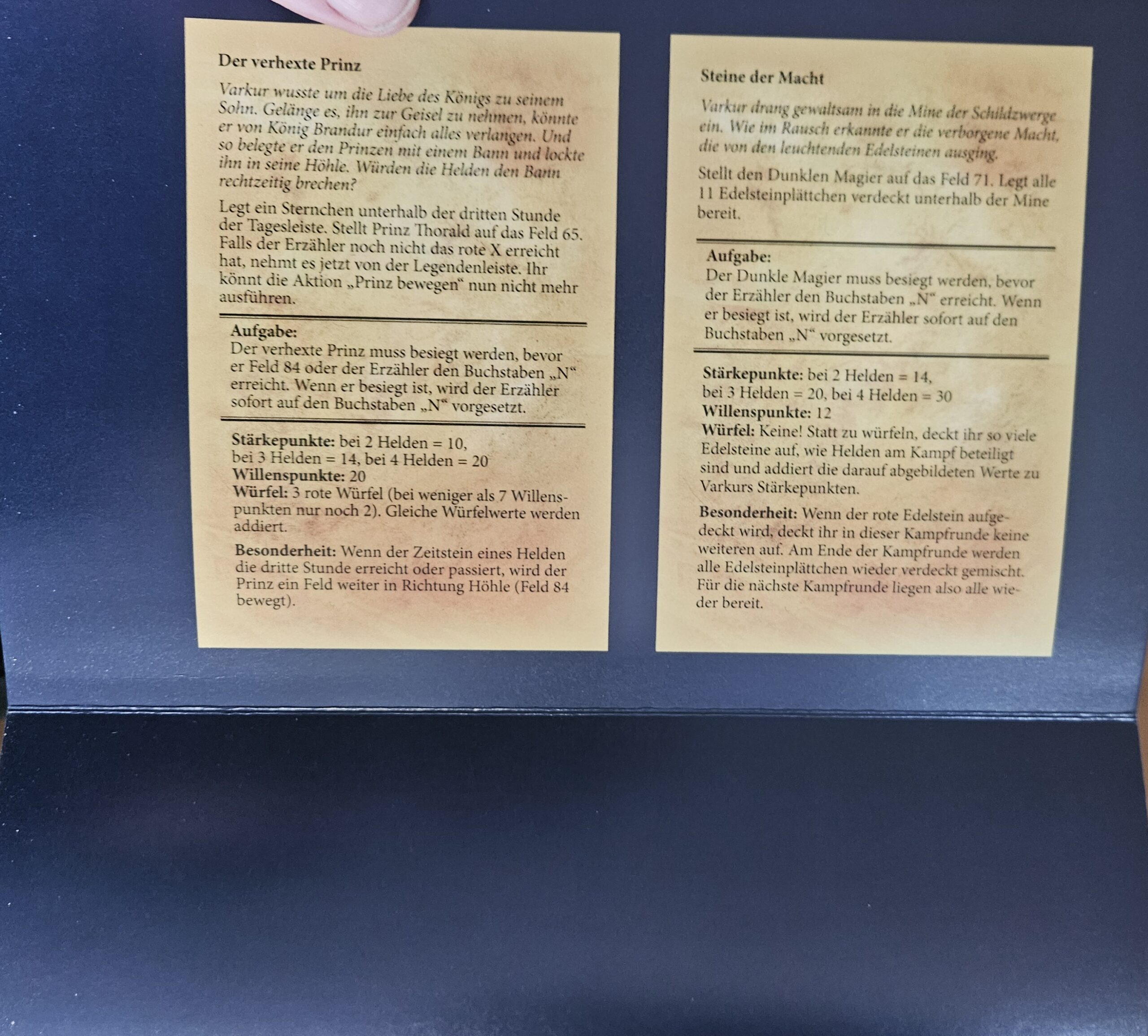


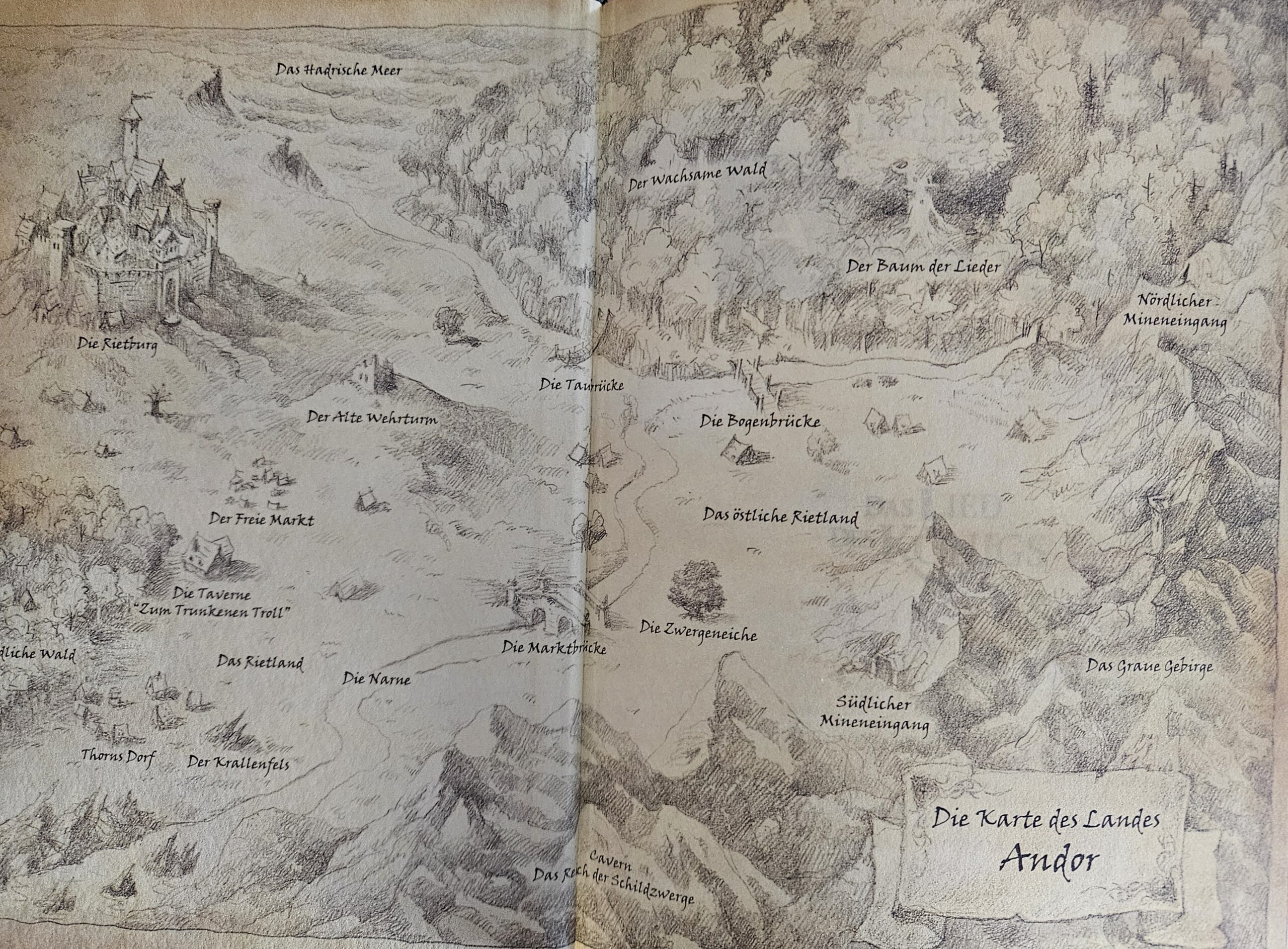
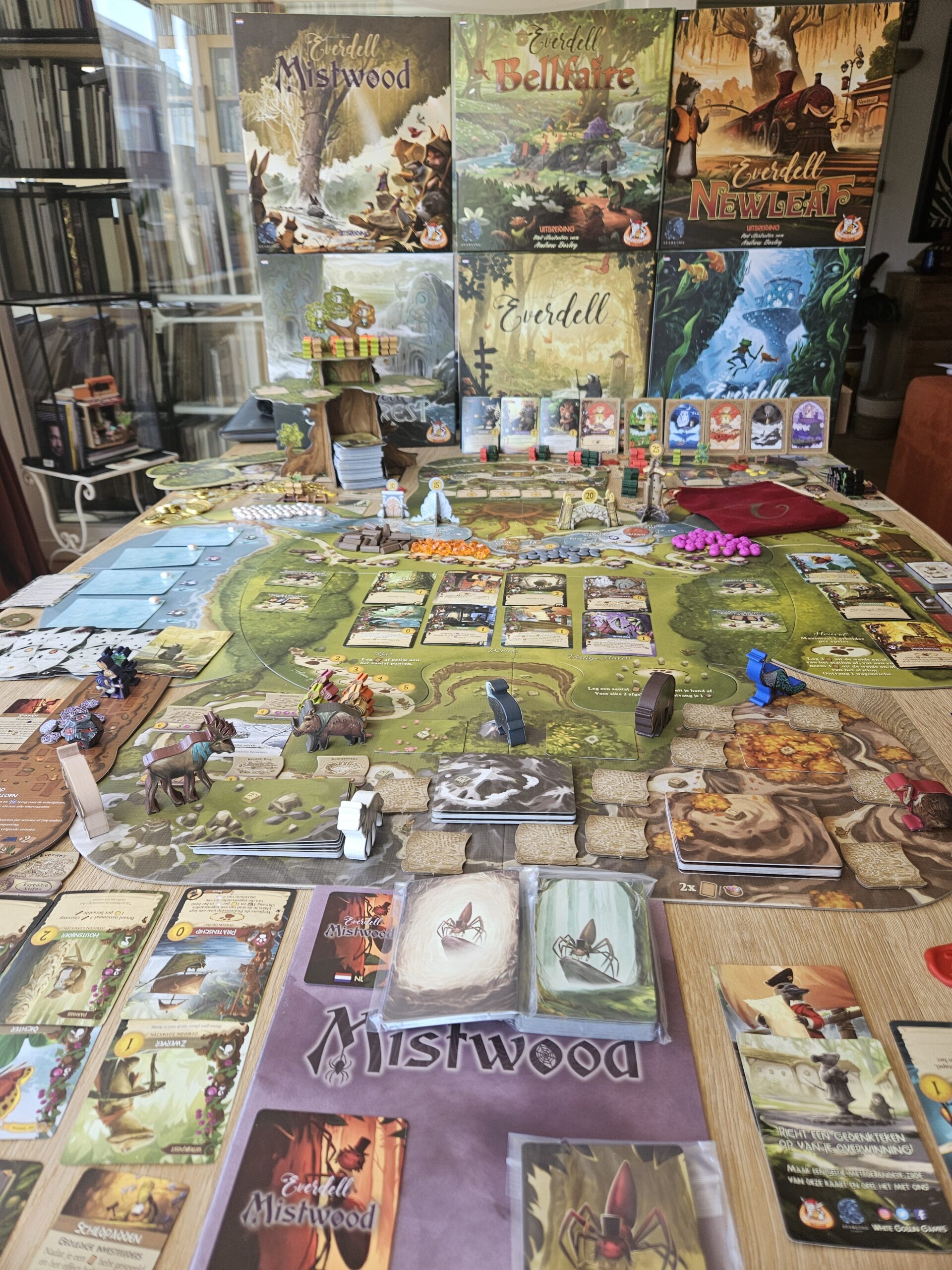
Famous are Legends of Andor and Everdell. (The examples below even have maps of the newly invented worlds accompanying those board games).
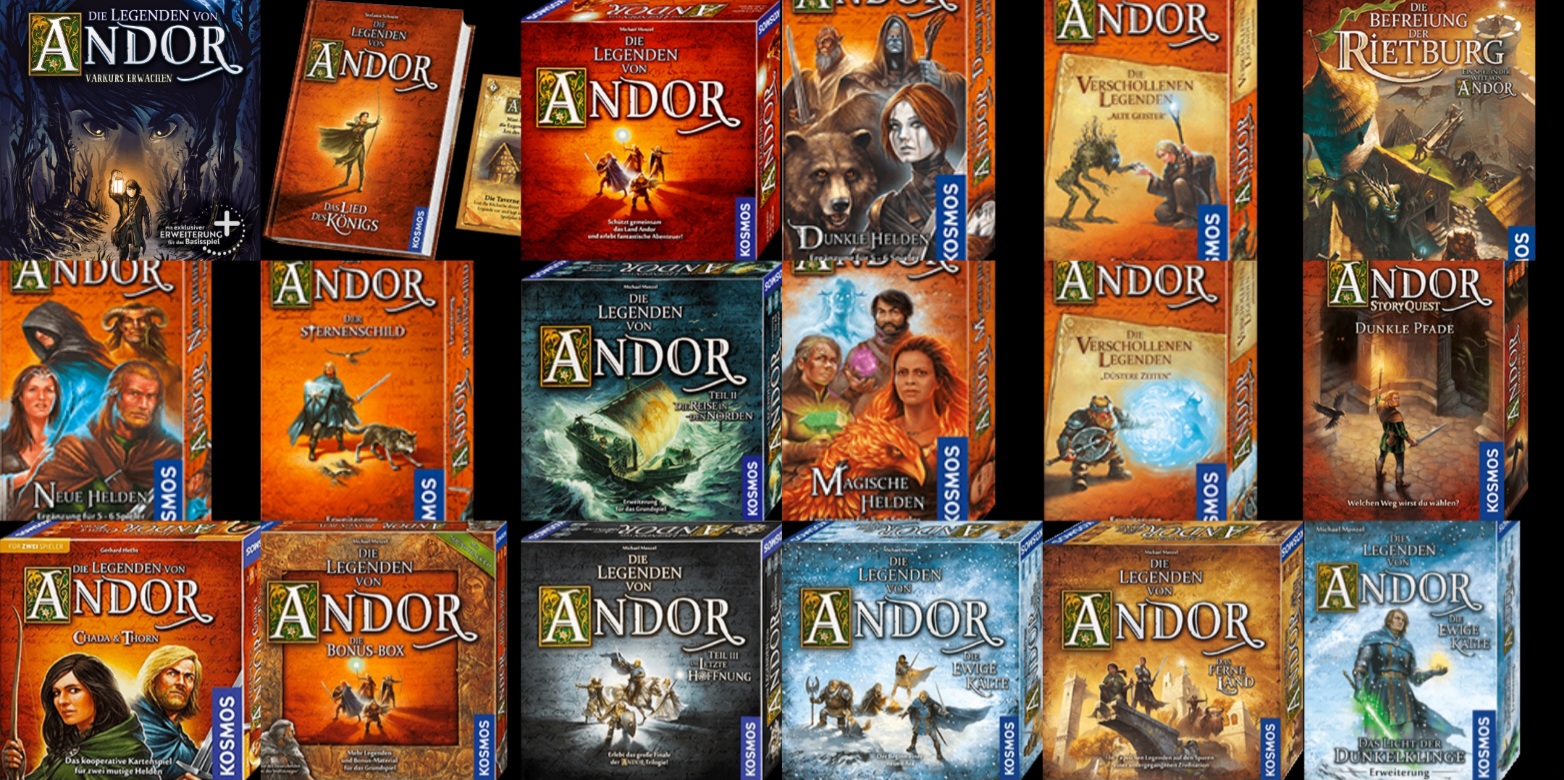
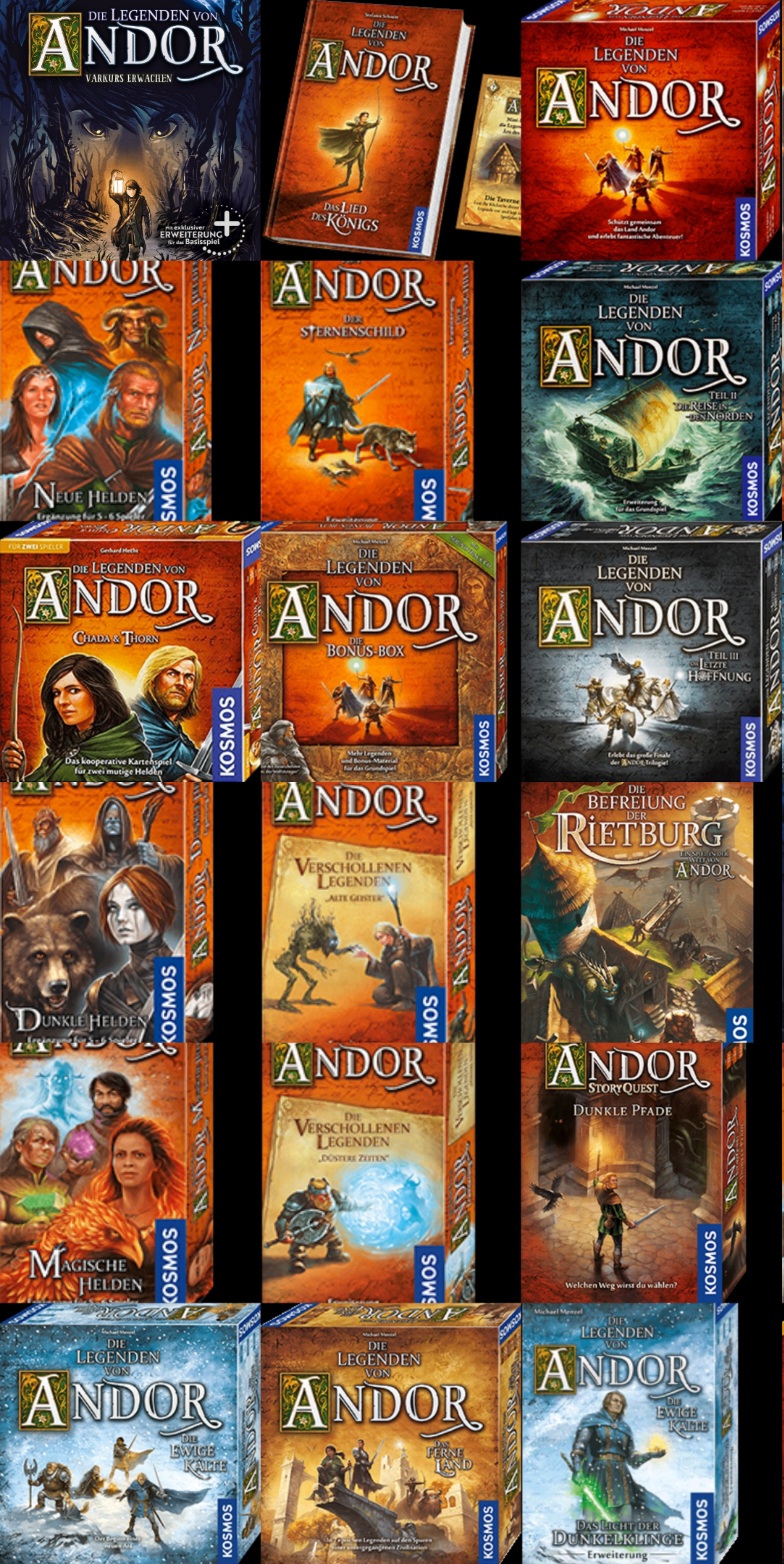
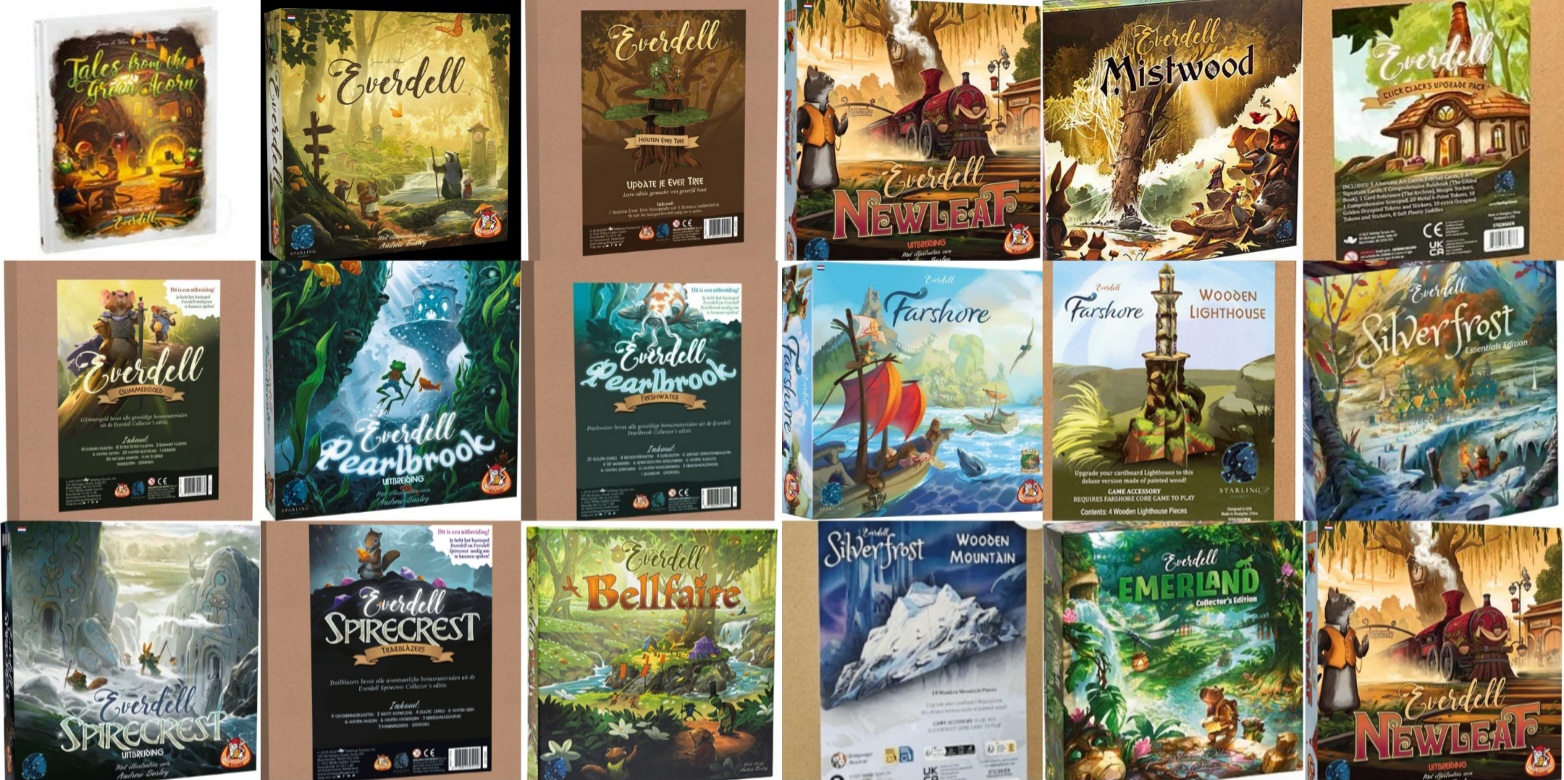
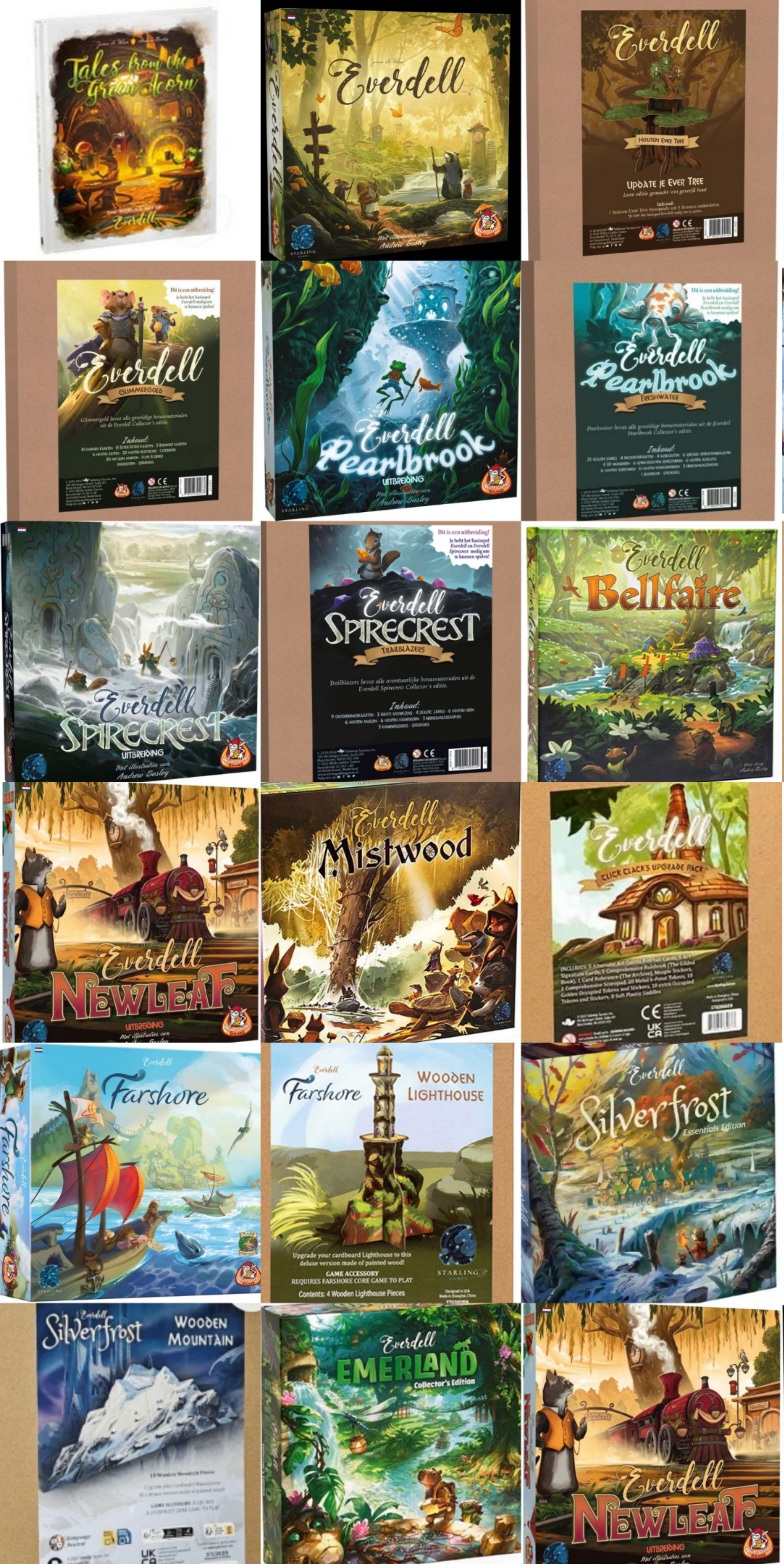
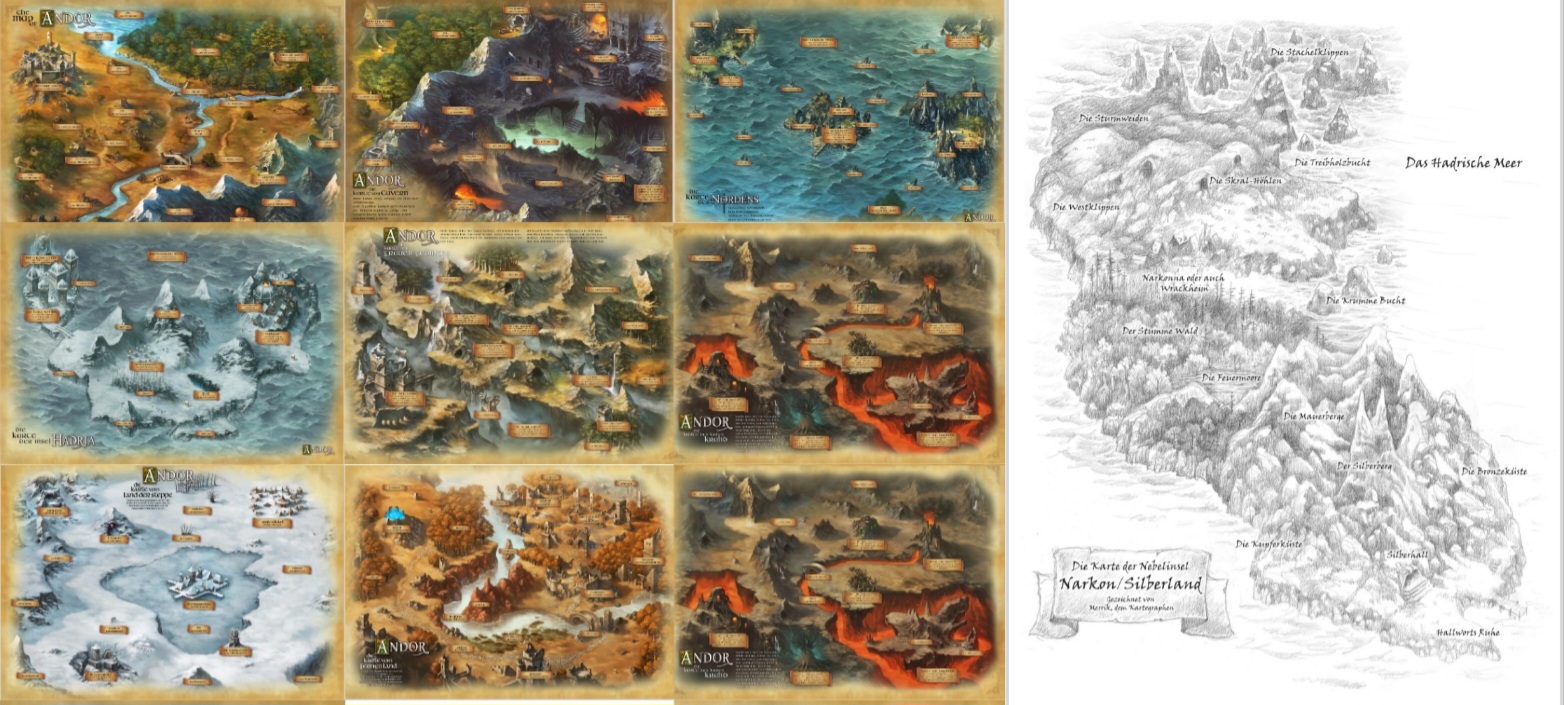
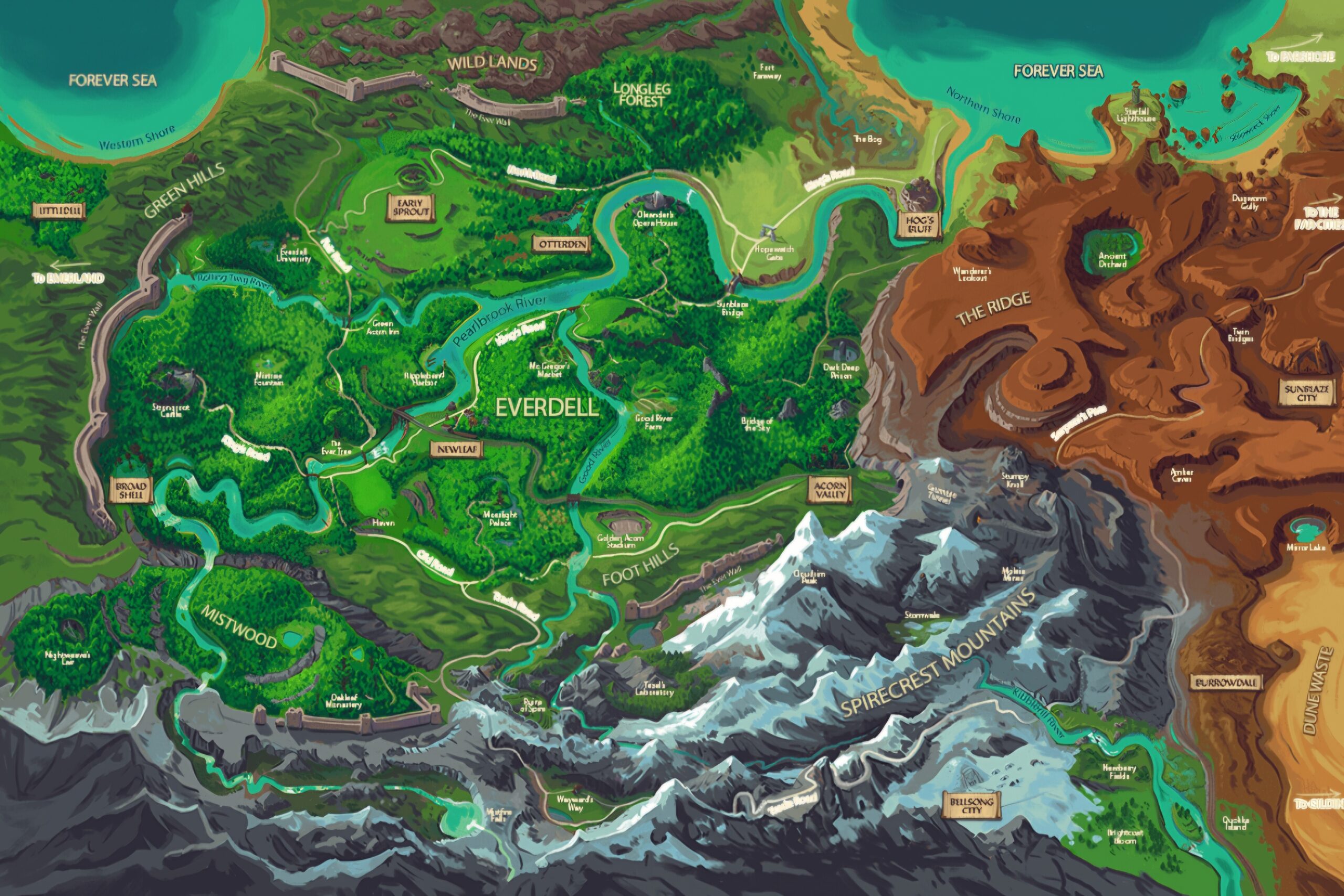


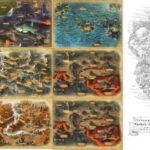
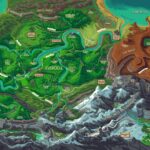
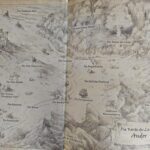
But most of the above led to normal books like those of Andor and Everdell …
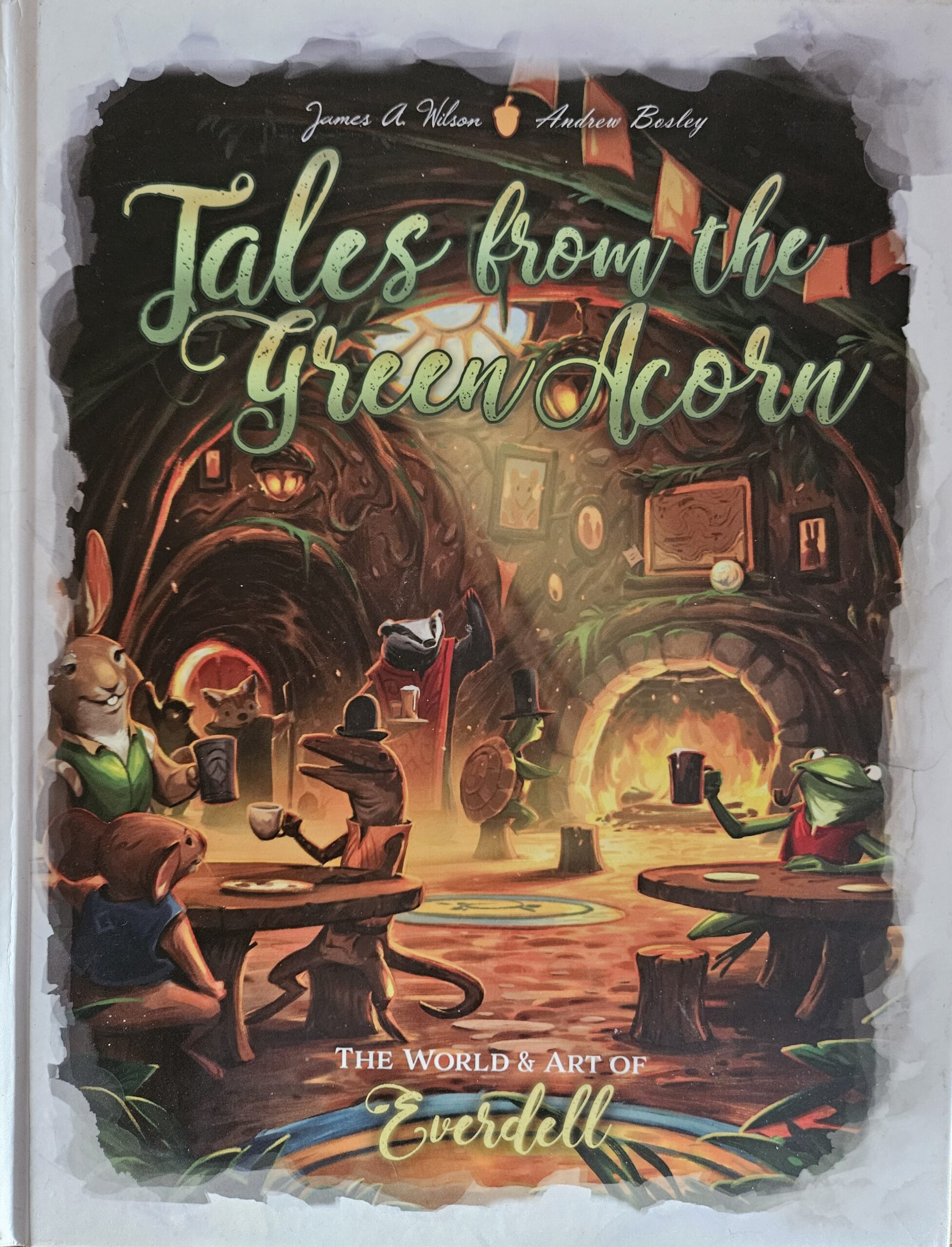
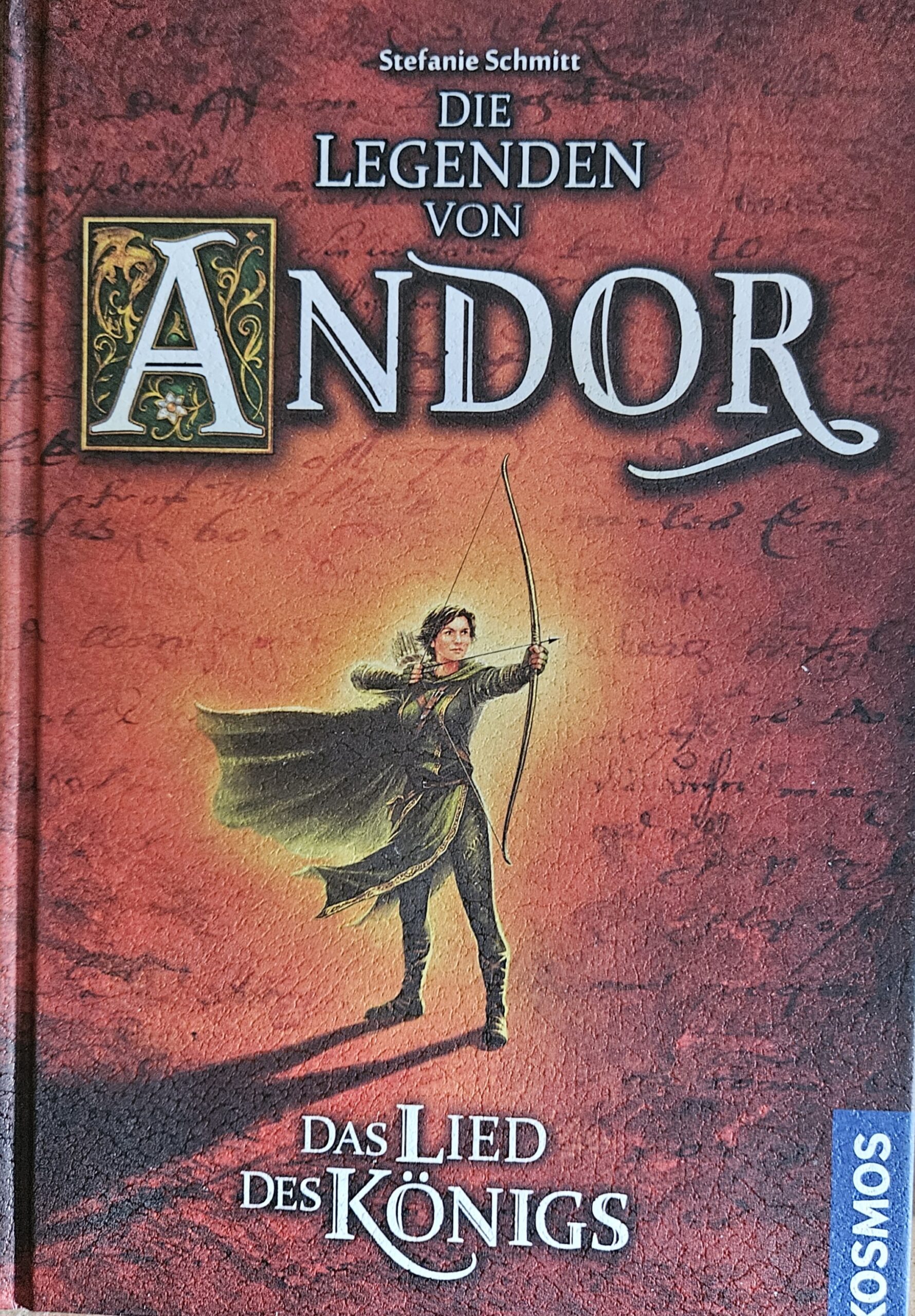
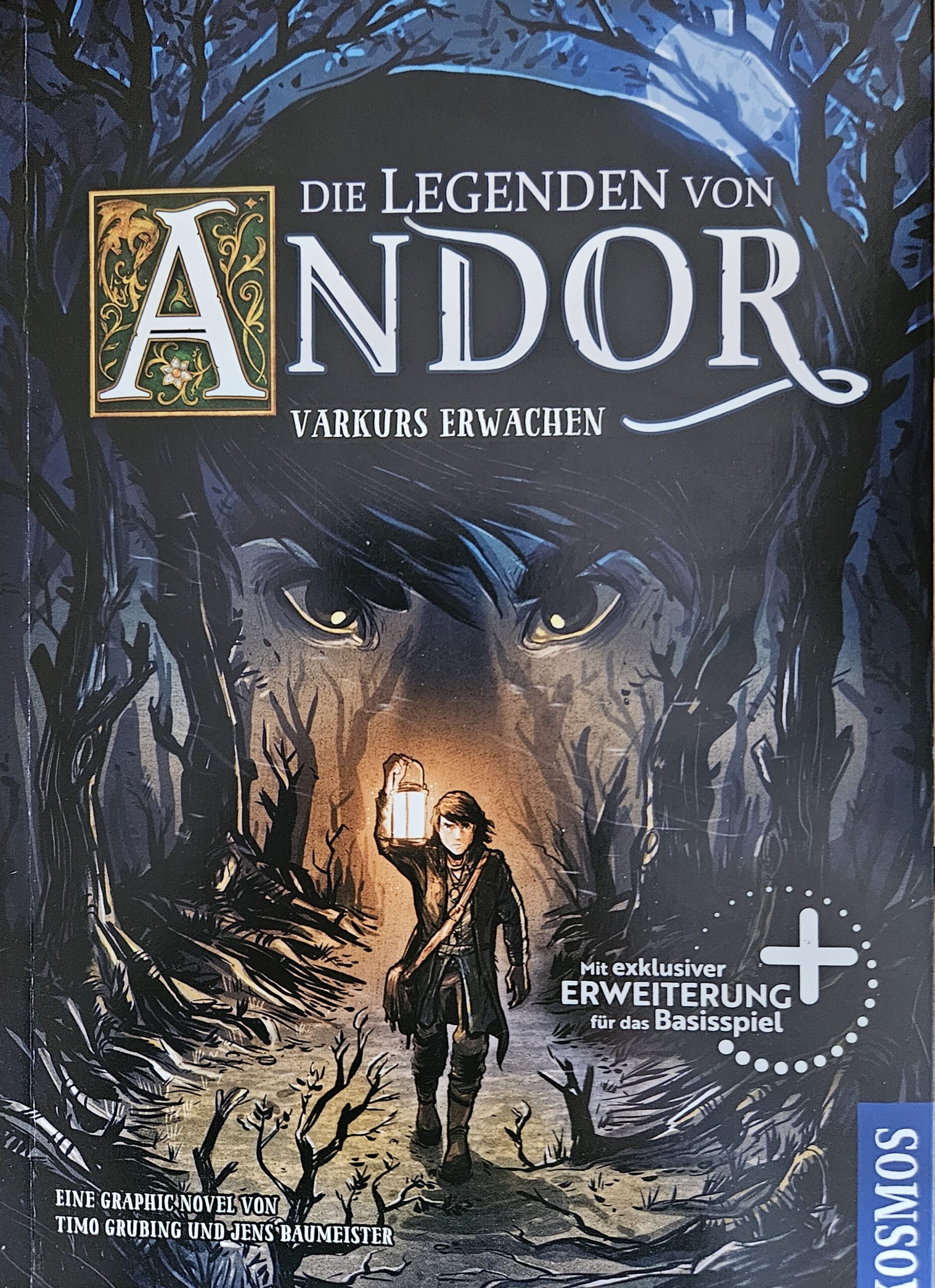
… or interactive books, like those of Sleeping Gods (see further down).
- The Fifth thread—perhaps the most relevant to our history—is the pop-up book tradition itself. For centuries, paper engineers created movable structures for purely aesthetic or educational purposes. It took the modern board game industry’s appetite for innovative mechanics and spectacular table presence to finally merge these worlds into what we now call “pop-up games” or “interactive book games.” It leads to Pop up books based upon board games (like e.g. The World of Warcraft Pop up Book by Matthew Reinhart), but also the other way around to a board game which utilizes multiple pop ups. An example of this rather new thread is Wonderbook (and for now it is the only example I found).
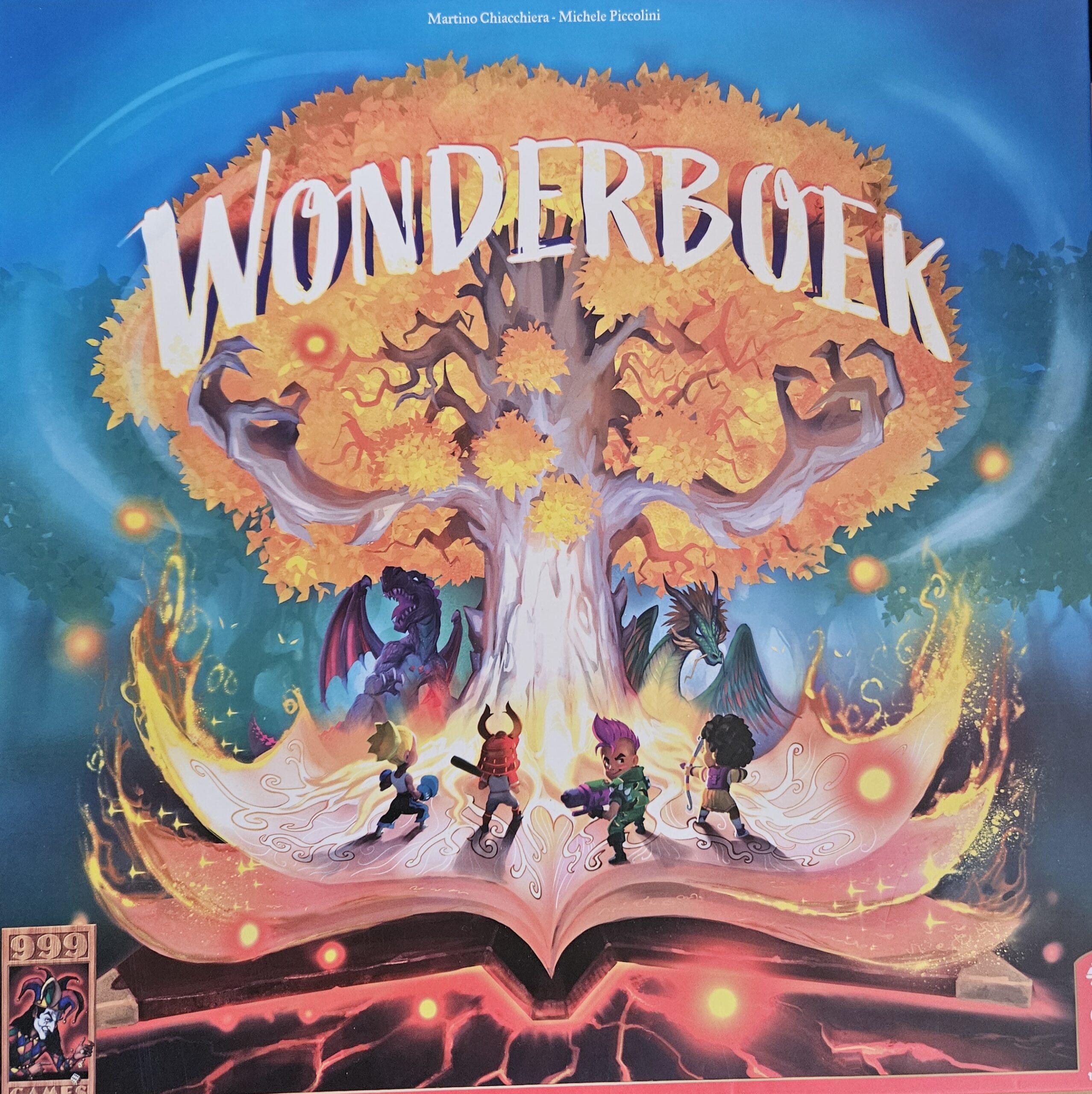
Beneath I’ll delve deeper in the interactive and pop up examples of books connected with board games…
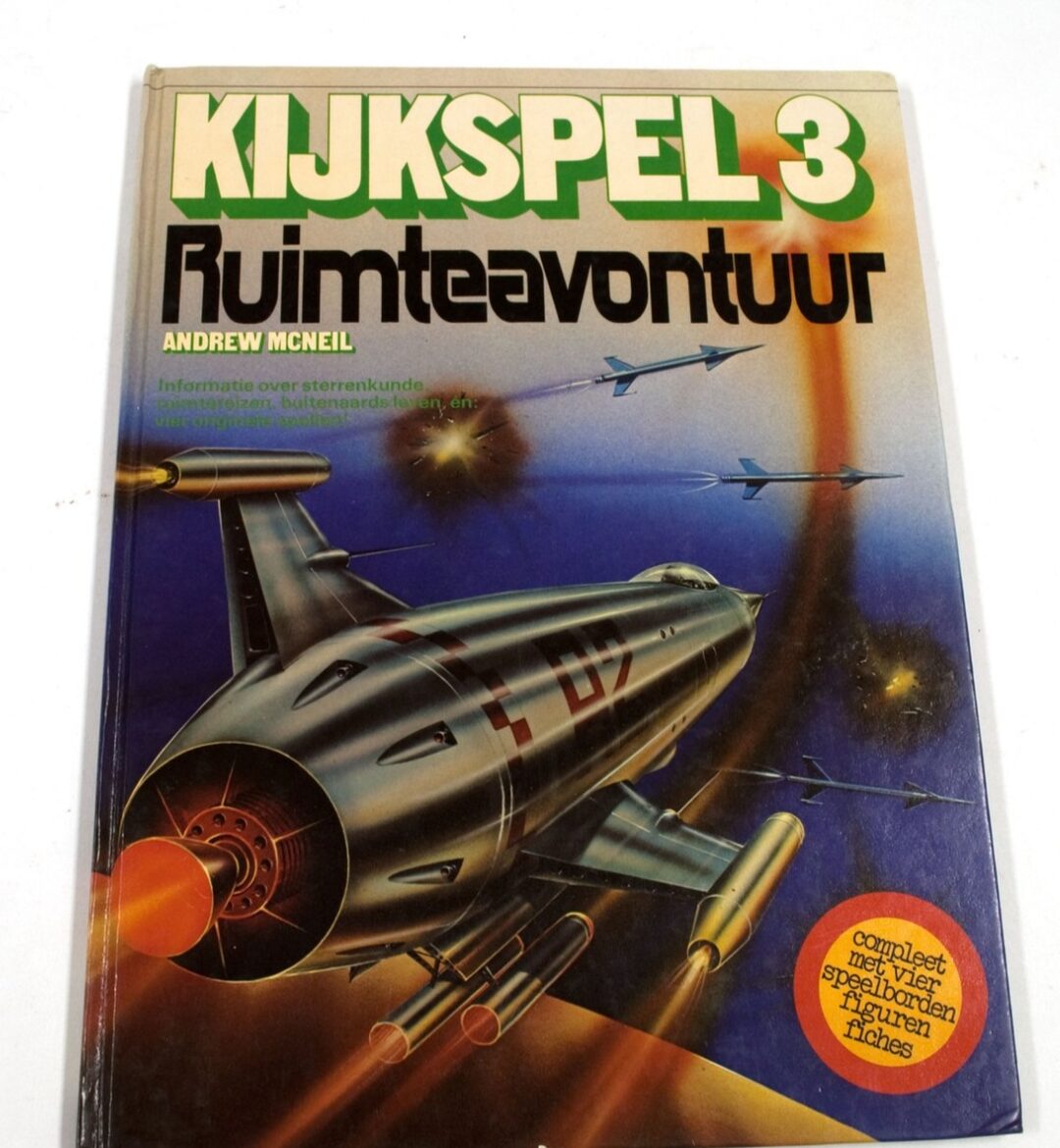
Kijkspel: Het Wilde Westen, De Riddertijd, and Ruimteavontuur
The Kijkspel (View Game/Spectacle Game) series represents a Dutch tradition of educational interactive books that evolved into board games. The series was published in the 1970’s. These titles form an important category in the history of interactive book-games, continuing centuries-old interactive book techniques for modern audiences.
Kijkspel 1: Het Wilde Westen (The Wild West)
 An educational interactive book/game about the American Wild West that teaches children about frontier life, cowboys, and American history as part of the Dutch educational publishing tradition.
It s a classic kijkspel format with 4 board games including background info, paper pieces that can be cut out with scissors and glued to a piece of cardboard and game rules.
Kijkspel 2: De Riddertijd (The Knight’s Age/Medieval Times)
 An educational interactive book/game about medieval knights and castles that teaches about medieval life, chivalry, castles, armor, heraldics and knights as part of the Dutch educational tradition teaching history through play.
It is a classic kijkspel format with 4 board games including background info, paper pieces that can be cut out with scissors and glued to a piece of cardboard and game rules. Games included are: The battle of Arsoef (De slag om Arsoef), Seize (Beleg) (of a Castle), Plunders (Rooftochten) and Tournament (Toernooi).
Kijkspel 3: Ruimteavontuur (Space Adventure)
An educational interactive book/game about space exploration that teaches about astronomy, spacecraft, planets, and space travel as part of the Dutch educational publishing tradition, bringing space age content to classic interactive book format.
Another classic kijkspel format with 4 board games including background info, paper pieces that can be cut out with scissors and glued to a piece of cardboard and game rules. Games included are: Space Pirates (Ruimtepiraten), Planet of Doom (Onheilsplaneet), Spawning (Kuit schieten) and Space War (Ruimteoorlog).
The series stopped after number 3.
Robin Hood and Its Expansions
Robin Hood (Base Game)
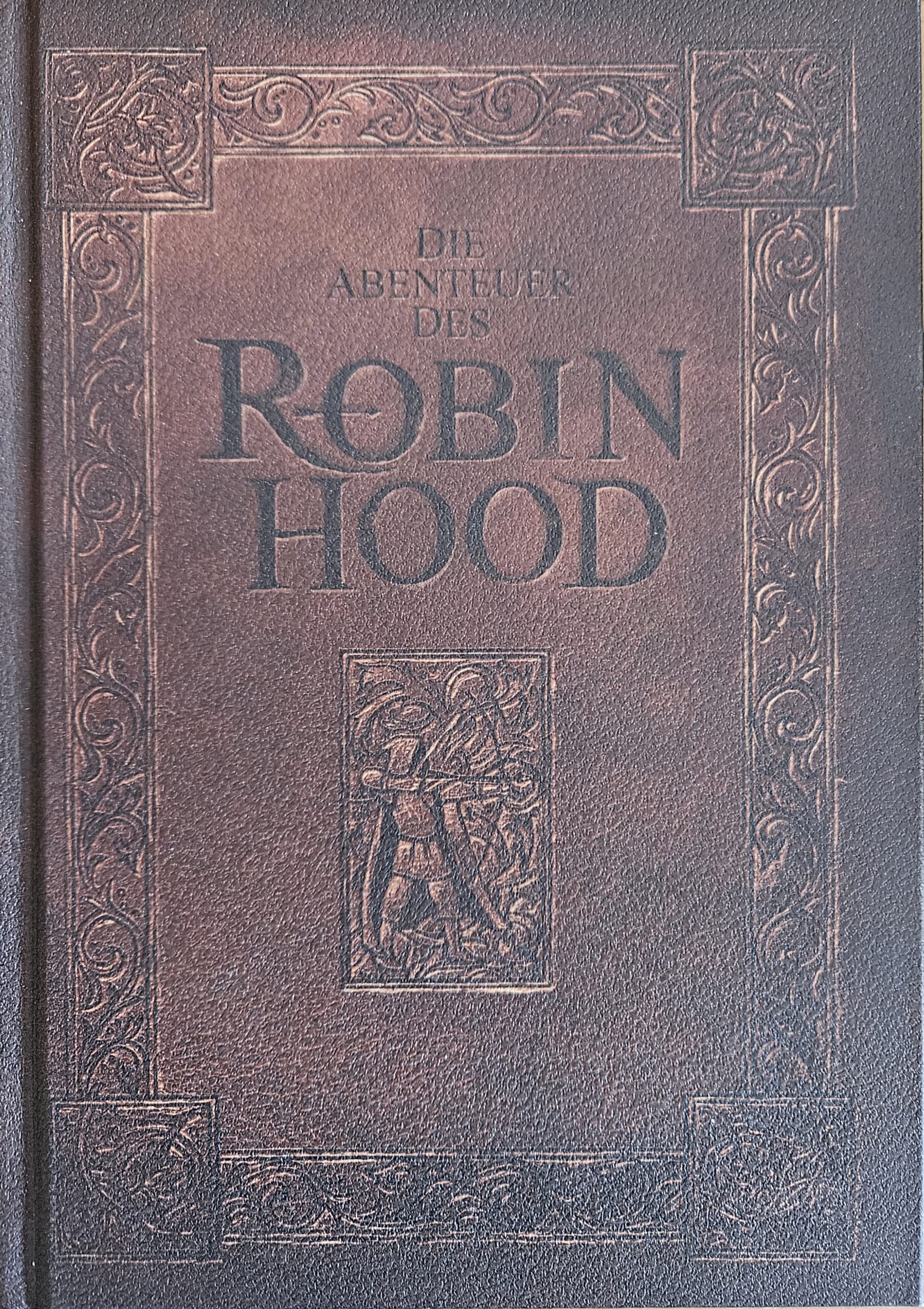
Robin Hood is a cooperative board game about Robin Hood and his band fighting against the tyranny of Prince John in medieval England. Players work together to outwit the sheriff and help the poor through a narrative-driven campaign with historical English folklore setting.
Uses book-based narrative mechanics where the story unfolds through pages. The interactive storybook elements reveal quests and plot developments, and the book-based mechanics require turning pages and making narrative choices that affect the cooperative game play.
The combination of a hardcover book and a boardgame became an economically viable possibility because german publisher Kosmos is a boardgame and book publisher.
Robin Hood: Friar Tuck (Expansion)
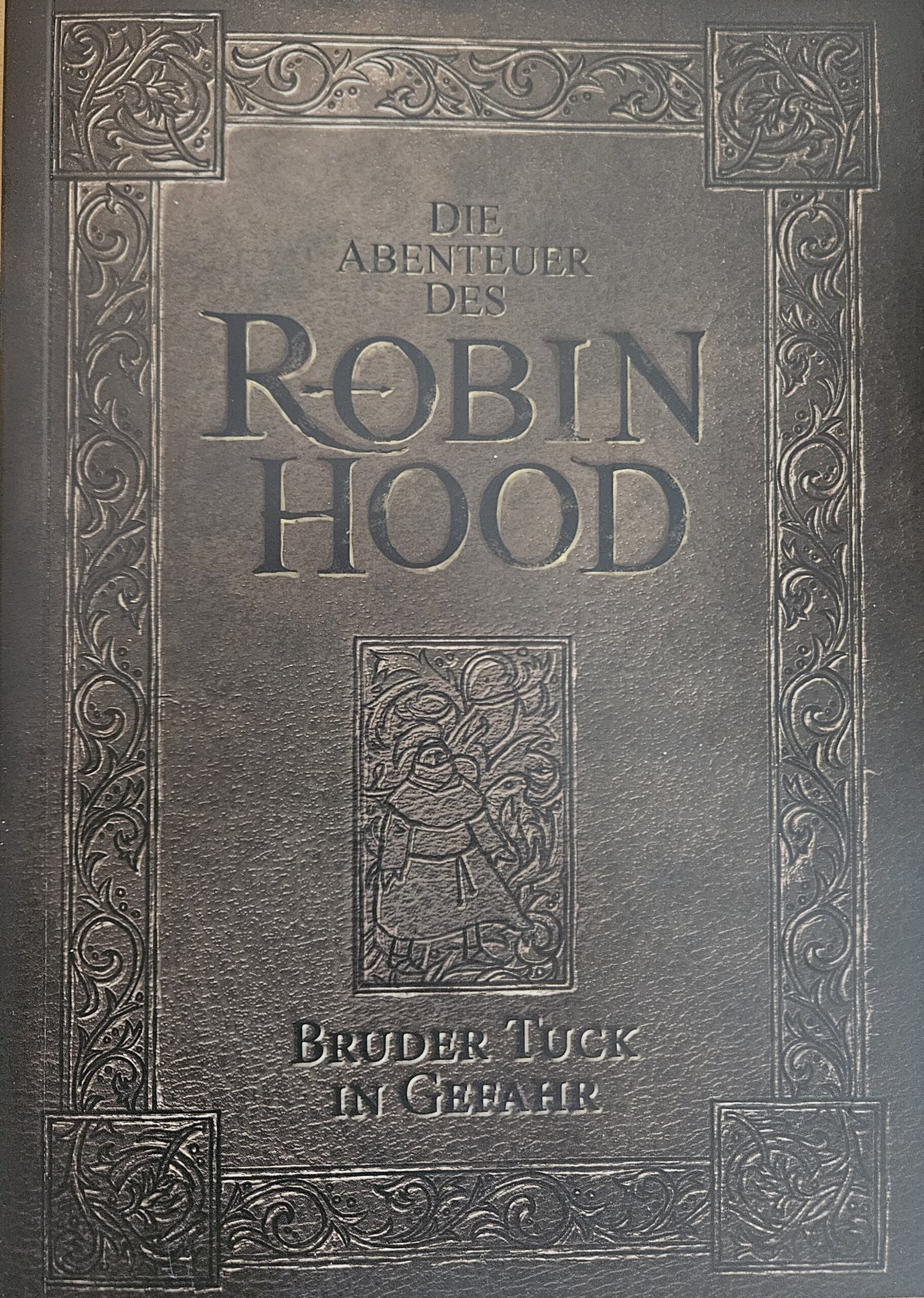
This expansion adds the beloved Friar Tuck character with new abilities and story lines, introducing additional quests, characters, and narrative branches that enhance cooperative game play with new character dynamics.
Introduces new book pages and interactive story elements, expanding the interactive book sections with new mechanical possibilities. The expansion adds more complex book-based mechanics requiring physical page interaction, deepening the narrative experience.
The Robin Hood series demonstrates how interactive book mechanics can enhance traditional board game settings. The folklore-rich setting of Sherwood Forest pairs naturally with the storytelling tradition of books, creating a cohesive experience where the medium reinforces the message.
Sleeping Gods
Sleeping Gods is a narrative adventure board game where players sail a steampunk ship on a quest to recover lost gods. Players choose destinations, make decisions, and record their journey as they travel between ports, encounter events, and collect artifacts. The game features a branching story with multiple endings based on choices made during play.
The game includes a beautifully illustrated journal/logbook that is CENTRAL to game play. The book becomes a tangible record of your adventure—players write, mark, and interact with it physically. The logbook is the primary interface, with no separate app or reference sheet needed. Interactive journal mechanics require players to physically engage with the book throughout the voyage.
Beneath you’ll see note cards, a log book, a story book which drives the narrative forward and an atlas which is a compilation of maps/boards which together form a large map/game board.
Sleeping Gods represents the pinnacle of the “journey log” approach to interactive book games. The book isn’t just a component; it’s the captain’s log, the map, the story, and the memory of your entire voyage. This recalls the medieval tradition of voyage narratives and the 19th-century tradition of explorer journals, but with modern game mechanics integrated throughout.
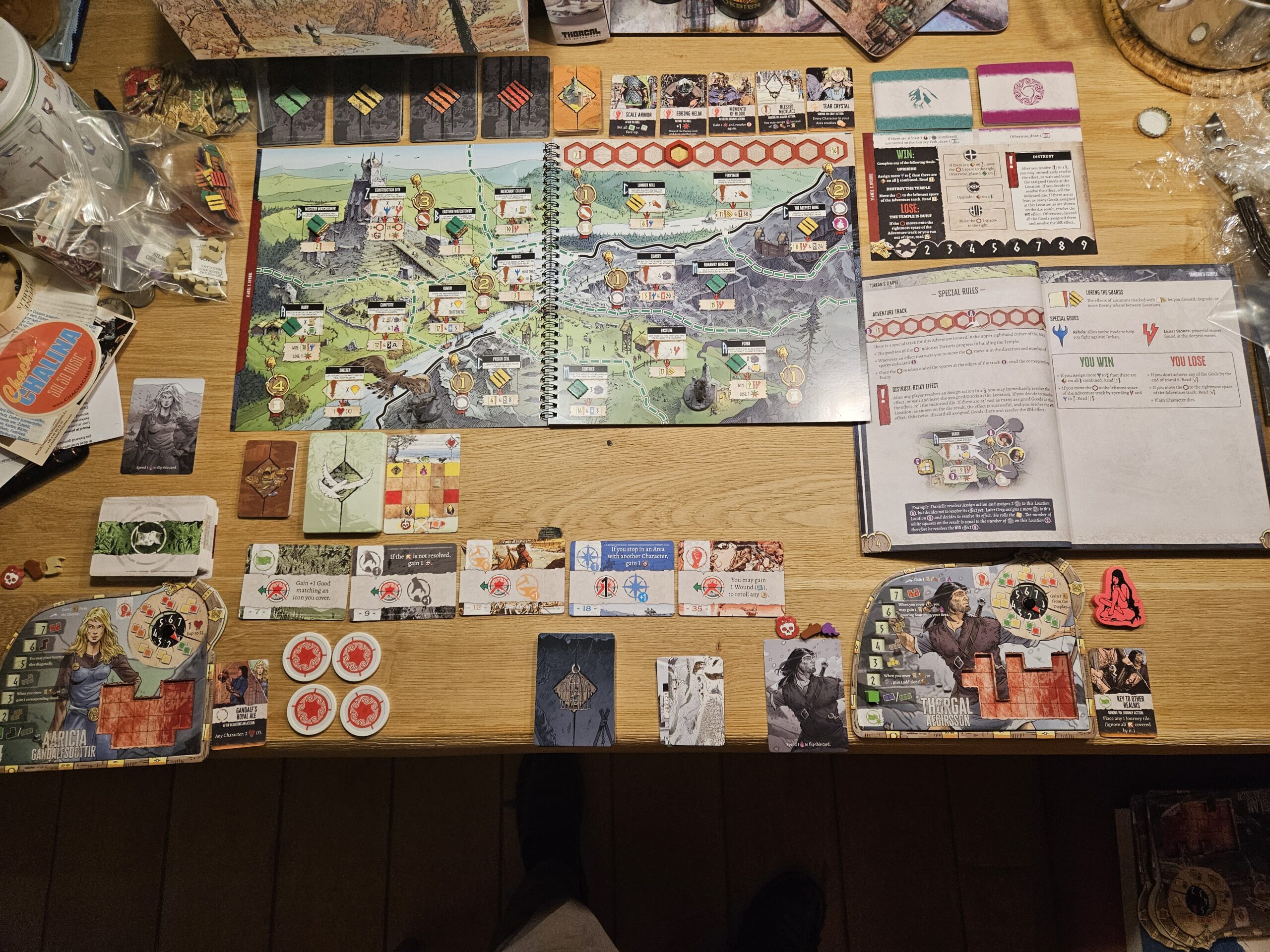
Thorgal
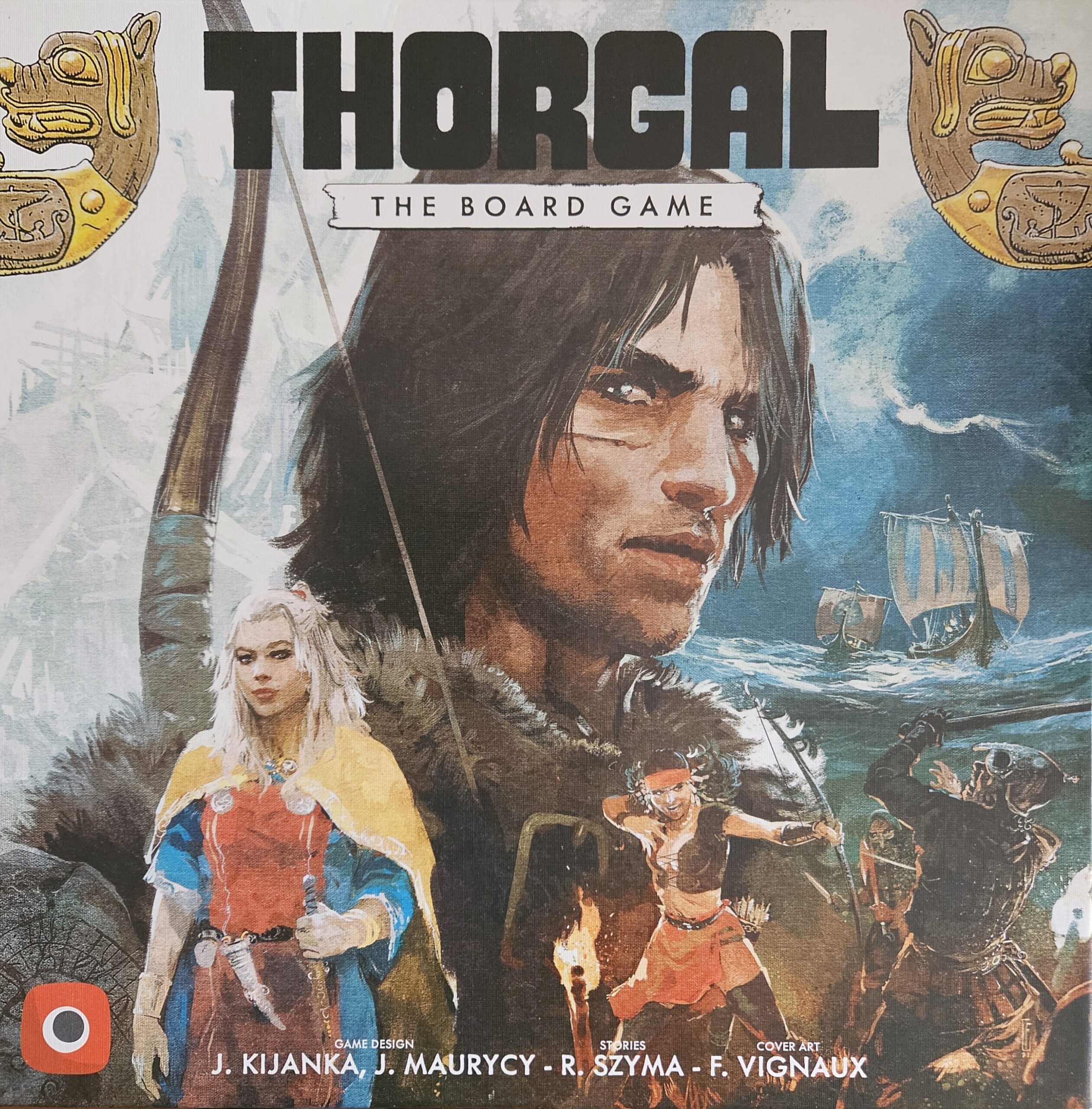
Thorgal is a board game based on the famous Belgian/Polish comic series by Jean van Hamme and Grzegorz Rosiński. Set in Viking-age fantasy combining Norse mythology with science fiction elements, it’s an adaptation of the beloved comic series’ storytelling approach where players experience the Thorgal universe through game mechanics.
Beneath is the Book of Tales, which drives the narrative forward via 10 scenarios…
Uses comic book aesthetics translated into board game mechanics. The comic book panels and sequential art influence game layout and presentation. Interactive elements are drawn from comic book page-turning and panel progression, creating immersive storytelling through book/comic-based narrative structure.
Beneath is the atlas, which is a compilation of game boards, one for each scenario…
Thorgal represents a unique intersection: the comic book tradition (itself a form of interactive sequential art) meeting board game mechanics. The Belgian comic series has decades of history, and the game translates that visual storytelling tradition into interactive game play.
Meadow: Adventure Book Expansion
Meadow: Adventure Book is a story-based experience where players explore journeys through different scenarios contained in a beautifully illustrated book. It’s an expansion that adds more variety to the core Meadow game, creating a legacy-like experience with scenarios that build up a campaign.
This is a hybrid product combining notebook and board game features. The beautifully illustrated book forms the core game play mechanism, continuing the highly appreciated artistic style by Polish artist Karolina Kijak. Players mark, and interact with the book itself as part of progression, making the book a personal artifact of your gaming journey.
Rather than spectacular pop-ups, Meadow uses the book as series of board games that represent different aspects of walks. The serene beauty of nature exploration through game play is enhanced by the tangible, personal nature of the journal.
Storyfold: The Dark Forest (2026)
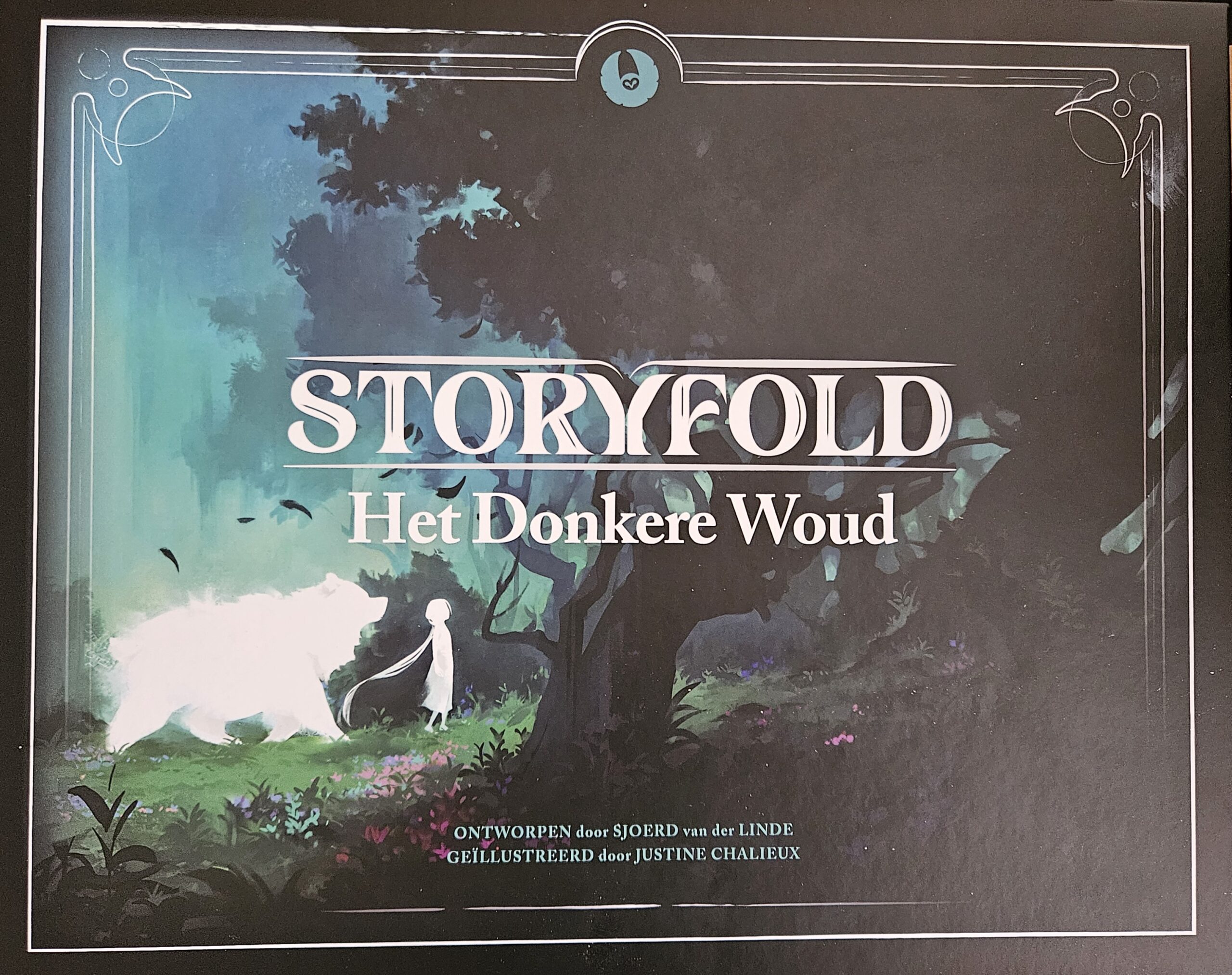
Storyfold: The Dark Forest is an innovative solo narrative adventure game with beautiful artwork and an immersive campaign. Players experience a single-player narrative with progressive story development, making choices that affect story outcomes.


The title itself hints at the paper engineering at its heart—the “fold” in Storyfold suggests interactive book mechanisms. Beautiful artwork creates an immersive storytelling experience, and the book requires physical interaction to reveal story paths. Folding mechanisms and interactive book elements enhance immersion throughout the campaign.
Pop-up Board Games
No single board game is officially recognized as the first to ever use a pop-up. Because paper engineering evolved gradually over centuries, 3D elements trickled into games over a long period rather than appearing all at once.
The concept began in the 19th century when publishers of mechanical and pop-up books started experimenting with folding parlor games, mostly featuring geographical or racing themes. By the mid-20th century, mass production made plastic and cardboard 3D components much easier to manufacture. This era gave rise to famous interactive setups like Mouse Trap in 1963, followed by licensed titles like The Road Runner Pop-Up Game in 1982 which used true pop-up book mechanics on a flat surface. By the 1990s, the concept came full circle with products like The Book of Pop-Up Board Games, where entire playable maps unfolded directly from the pages of a book.
In 1996 a book containing 4 adventurous pop up games for children saw the light.
The Book of Pop-up Board Games
Published in 1996 by Tango Books and written by David West with illustrations by Brian Lee, The Book of Pop-up Board Games is a nostalgic masterpiece of novelty publishing that features four fully playable, self-contained board games built entirely into its thick cardboard spreads. The games span classic adventure themes, including a sci-fi flight titled Space Escape, a swashbuckling journey named Pirate Treasure, a spooky expedition called Mummy Chase, and a classical medieval fantasy titled Save the Princess.
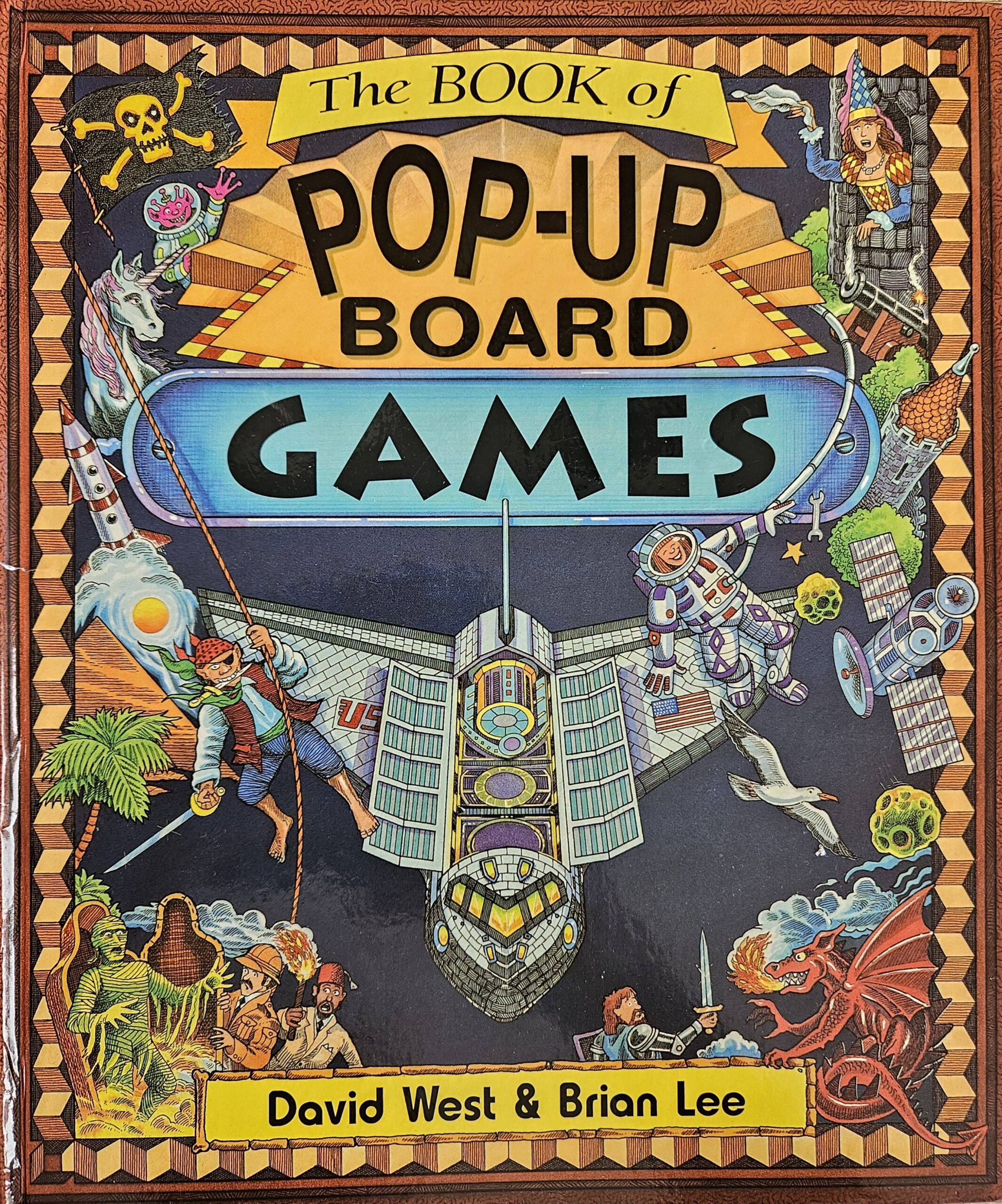
The book radiates a vibe of wondrous 1990s analog playfulness, cinematic pulp adventure, and tactile comfort. Opening any spread delivers an instant hit of Saturday morning cartoon energy, blending child-friendly tropes with bright, saturated, comic-book-style illustrations. It possesses a distinct travel-friendly feel, capturing a specific era when expertly engineered paper was the pinnacle of portable interactive entertainment.
In this book, paper engineering steps beyond mere visual spectacle and serves as the core mechanical foundation of gameplay. The pop-ups are not just passive decorations, because they create the actual three-dimensional topography and hazards of the game boards. A massive ancient Egyptian tomb or an alien spaceship corridor physically erupts from the center seam, forcing players to navigate their tokens around vertical architecture. Interactivity is driven by localized components, featuring a built-in fold-out spinner used for movement, storage pockets to keep press-out player counters safe, and interactive flaps that dictate tactical choices. It successfully transforms a flat book layout into an immersive, standalone gaming arena.
This design shares an interesting philosophy with the Kijkspel series, a classic Dutch tradition of turning books into interactive tabletop experiences with historical and sci-fi themes. However, their execution differs greatly. While The Book of Pop-up Board Games relies on industrial toy engineering with pre-assembled, thick cardboard V-folds that automatically pop up upon opening, the Kijkspel books required manual DIY crafting, expecting readers to cut out and glue thin paper pieces themselves. Furthermore, Kijkspel focused heavily on playable education and historical facts, but no pop ups were involved, whereas the 1996 book prioritizes pure fantasy escapism and instant setup. Despite these mechanical differences, both projects share the same magical design goal of turning a static book into an active, board game play book.
Wonder Book: A more complex Interactive Pop-Up in a Board Game (2021)
Wonder Book (dutch: Wonderboek): This is the first a lot more complex interactive pop-up in a board game to apear in retail. The game board IS a 3D pop-up book with an outstanding and interactive pop-up tree that draws crowds wherever it’s displayed. The game was published in may 2021, by 999 Games, a mayor publisher. Each of the six chapters (called adventures) is neatly arranged in a different deck, and the pop-up book reveals different paths mechanically as players progress. Players must physically interact with all 3D mechanisms during real play—there’s no virtual simulation.
Example 1:
Example 2:
The book literally becomes the game board and the pop up features influence the game play directly.
Created by an Italian designer/paper engineer (Dario Cestaro) living in Groningen, Netherlands, inspired by nostalgia for magical Italy, Wonder Book is revolutionary because it doesn’t just use a book as a component—it IS the book. The designer, who had never created pop-up books before, crafted a legacy game where opening each page reveals not just story text but a fully realized 3D game environment. This is the ultimate realization of what paper engineers have been working toward for centuries: making the book itself an active participant in the experience. Wonder Book was published earlier (it was released on May 31, 2021), then The Seven Trials of Rostam (mentioned earlier in this blog post series, which was published in November 2022). The spectacular centerpiece of Rostam and the just as spectacular main pop up of Wonder book must have been inspired by an even earlier pop up by Zhoi Meiqiang, which he created for his 2016 Journey to the West.
The Shivers boardgame using pop ups (2022)
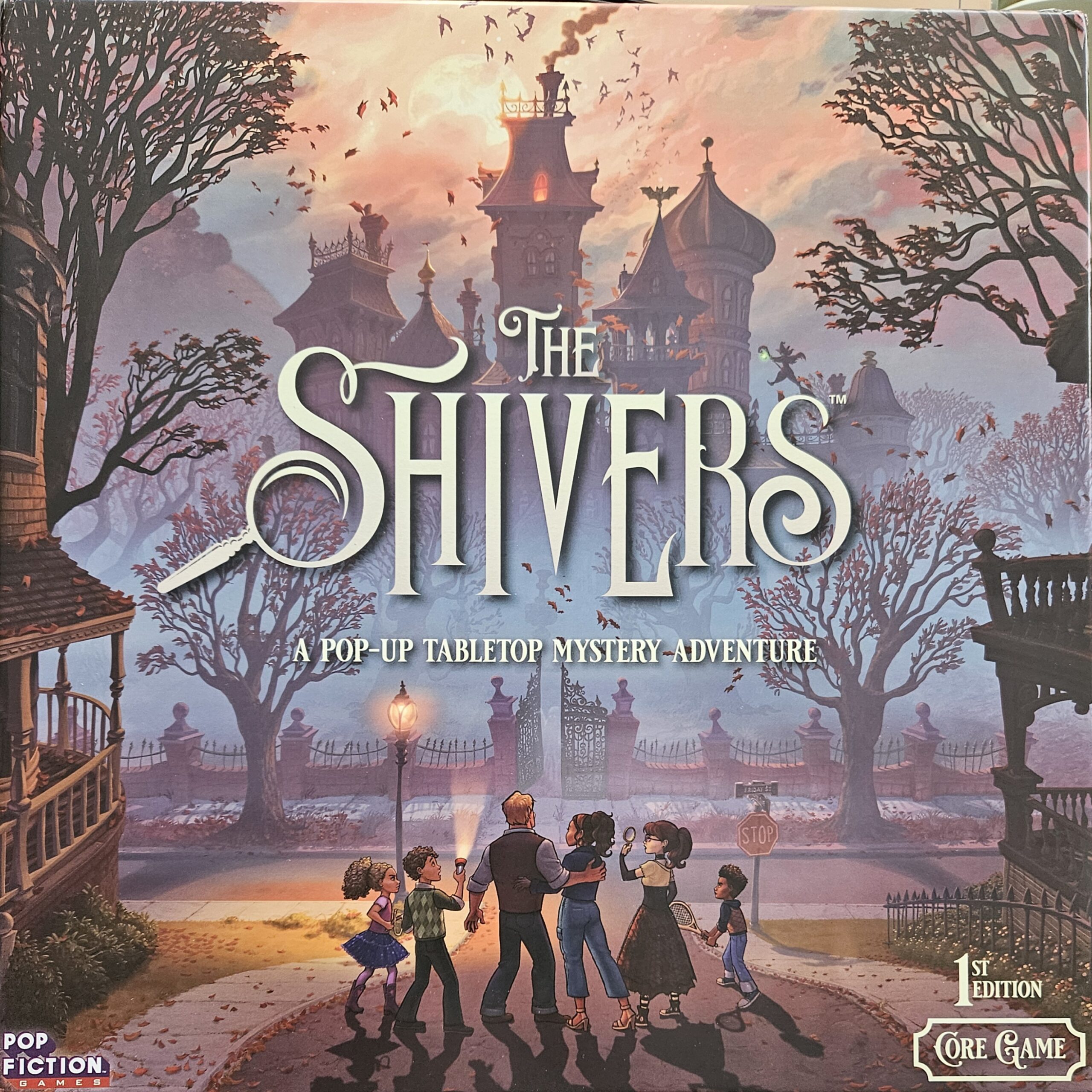
Now it gets a bit tricky regarding chronology. The Shivers (2022) was actually conceived earlier (as far as we can know according to web searches) than Wonder Book (2021), but it started on Kickstarter and had some setbacks/delays before getting into retail production and thus Wonder Book, fully backed financially by mayor game publisher 999 Games, was earlier in retail as a fully developed pop up boardgame.
But having said that, The Shivers got published in retail nonetheless approximately 1 year later than Wonder Book.
The Shivers represents a fascinating milestone in modern game design by fusing the tactile charm of a pop-up book with the narrative freedom of a role-playing game (RPG). Conceived by Andy Logan and published by Pop Fiction Games, the project was funded through a highly successful Kickstarter campaign. The result is an innovative three-dimensional board game that pushed the absolute boundaries of paper engineering, both technically and logistically.
The game immerses players in the eerie atmosphere of a gothic mansion known as Mirador Manor. In terms of tone, it balances spooky elements with whimsical humor, drawing heavy inspiration from classic 1990s point-and-click computer adventures. Players take on the roles of the eccentric Shivers family members to solve mysteries and confront monsters. This unfolds through an asymmetrical structure where one player acts as the “Storyteller,” a role similar to a Dungeon Master in Dungeons & Dragons. Sitting behind the physical pop-up structures, the Storyteller guides the narrative using hidden prompts, while the other players execute actions using rules-light mechanics and custom dice rolls.
The true innovation of The Shivers lies in how its paper architecture serves as the core engine of gameplay. While traditional board games are confined to flat surfaces, this game utilizes a patent-pending modular magnet system. Instead of one continuous pop-up book, the box contains separate, foldable room modules. As players unlock new areas of the house, the Storyteller unfolds the corresponding room and snaps it magnetically onto the existing layout. This creates a physical “fog of war” where the game world literally grows with the story. Furthermore, this interactivity is deeply woven into the mechanics, as players must use a physical magnifying glass to search the detailed artwork for hidden codes, open secret trapdoors, or flip cardboard cupboard tabs to find vital items.
Behind the artistic success of the game lies a complex manufacturing story, which explains why the final release suffered multi-year delays. Unlike standard plastic miniatures or flat cardboard tokens, the assembly of intricate 3D pop-up structures cannot be fully automated by factory machinery. Nearly every tab, hinge, slider, and magnetic strip across thousands of produced copies required precise, manual hand-assembly and gluing at the factory. Embedding magnets inside paper layers presented another technical hurdle, as they had to be placed with perfect polarity and thickness without tearing the cardboard or misaligning the rooms. Compounding these engineering challenges, the global supply chain crisis between 2020 and 2022 introduced severe paper shortages and skyrocketing international shipping costs. For a small indie studio, managing these hurdles was an extraordinary trial. Ultimately, despite the grueling delays, the project successfully delivered a highly unique, tactile gaming experience that has earned a dedicated cult following.
Comparisson
Wonder Book is absolutely the more complex paper engineering project and it has groundbreaking features, which even got following in Asia in Iran and China. The Shivers is simpler paper engineering, but the concept seems more effective. There are multiple expansions (Wonder Book has none) and although both create an alternative world, it seems that The Shivers has achieved in getting a dedicated cult following which started after a succesful kickstarter campaign. Sometimes a quick start is leading to a disadvantage on the long term and a slow start can grow into a more succesful endeavour.
Why This Matters: The Convergence of Two Traditions
The emergence of board games with interactive books is not merely a novelty—it represents the convergence of two powerful traditions:
1. The interactive book tradition spanning centuries, from medieval volvelles to pop-up masterpieces
2. The board game tradition of tangible, shared experiences around a table
When these traditions merge, they create experiences where:
- The book IS the game board (Wonder Book, Thorgal)
- The book becomes a personal artifact (Meadow: Adventure Book, Sleeping Gods)
- The book drives narrative through physical interaction (Storyfold, Robin Hood)
- The book teaches through revelation and discovery (Kijkspel series)
The Paper Engineer’s New Challenge
For paper engineers, designing for board games presents new challenges compared to traditional pop-up books:
- Durability: Game books must survive repeated opening, closing, and manipulation during multiple play sessions
- Precision: Interactive mechanisms must work reliably every time, not just for aesthetic effect
- Functionality: Every pop-up or mechanism must serve game play, not just visual wonder
- Accessibility: Mechanisms must be understandable to players without prior paper engineering knowledge
This is the frontier where paper engineering meets game design—a place where the artistry of centuries past serves the interactive needs of modern gamers.
Looking Forward
As we’ve seen through this series, interactive books have constantly evolved: from serious scientific tools to playful tricks, from pull-tabs to spectacular pop-ups, from European masters to 21st-century laser cutting. Board games with interactive books represent the next logical step in this evolution.
The future may bring:
- More sophisticated pop-up game mechanics beyond Wonder Book’s pioneering work
- Integration of digital and physical interactivity (blending apps with paper mechanisms)
- Greater durability materials allowing more complex mechanisms
- Spread of the format beyond specialty publishers to mainstream board game companies
What began with monks rotating paper wheels to visualize astronomical data has become a medium where teenagers cooperate to fight dragons inside a 3D pop-up tree. The circle is complete: interactivity has always been about making knowledge and stories ACTIVE rather than passive.
Conclusion: The Book as Game, The Game as Book
Board games containing interactive books represent a fascinating synthesis. They honor the centuries-old tradition of paper engineering while pushing it into new territory. They respect the board game tradition of shared, tangible play while incorporating the intimate, personal nature of book-based storytelling.
Whether it’s the spectacular 3D pop-up tree of Wonder Book, the serene nature journal of Meadow, the immersive solo narrative of Storyfold, the cooperative adventure of Robin Hood, the steampunk voyage log of Sleeping Gods, the comic book heritage of Thorgal, or the educational traditions of the Kijkspel series, each of these games demonstrates that books and games are not opposites—they are complementary forms of interactive experience.


As The Wandelgek and The Booknook Librarian, I’ve collected interactive books for many years and studied their history deeply.
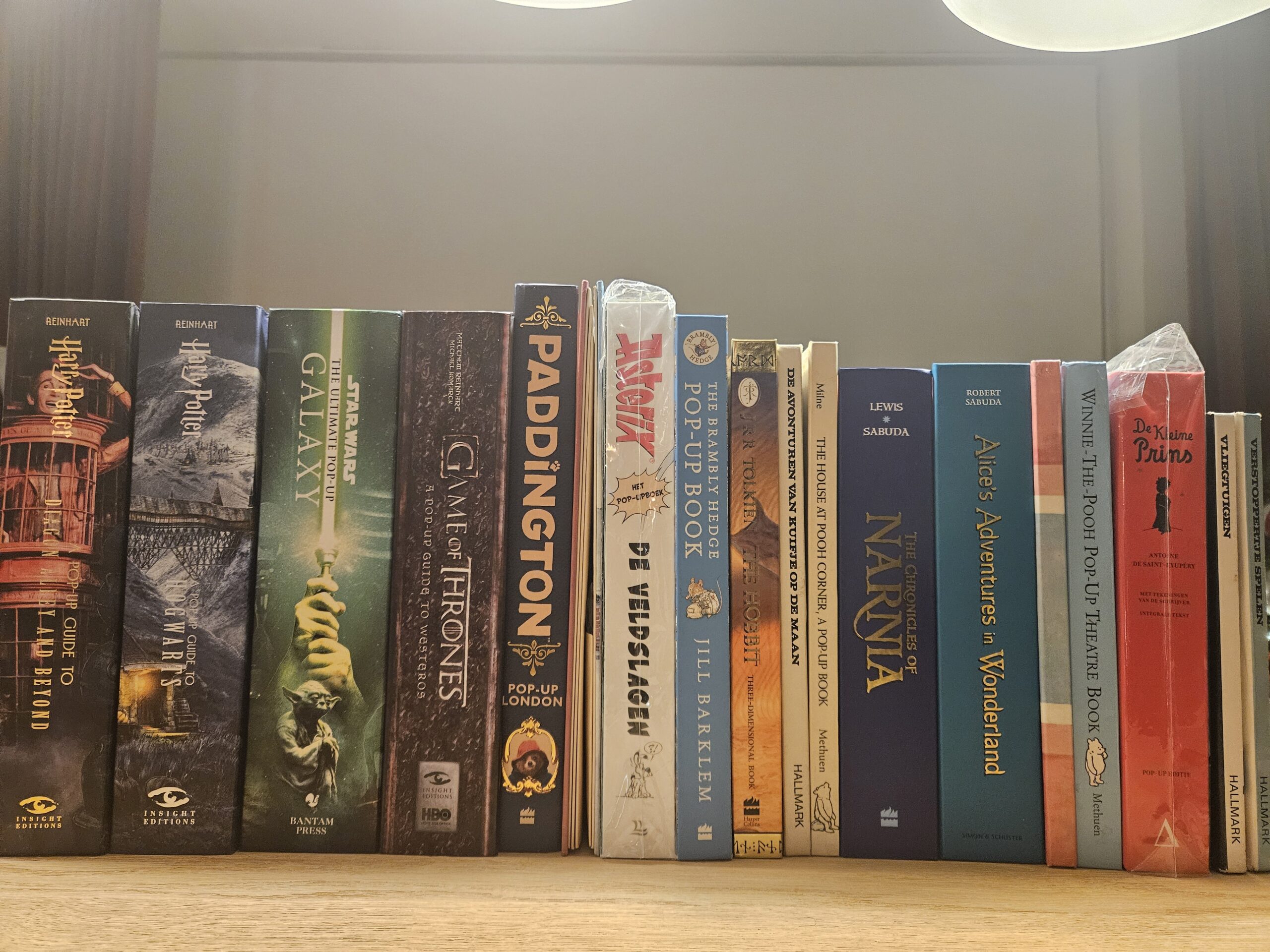
Seeing them now integrated into board games is not just a novelty—it’s a testament to the enduring power of paper engineering to create wonder, to make stories physical, and to turn reading into doing.
The Wandelgek collects interactive books extensively and continues to explore their history. Most upcoming book-related posts will appear on Bluesky (The BooknookLibrarian) and Instagram (The Wandelgek), as well as on this weblog. Subscribe, follow, and engage to stay updated on upcoming posts in this series.